Blog Archives

Sam’s Trains – HR Open Wagon in 4mm/1ft
Somewhat out of the blue, I was bombarded by adverts for Etsy for something that I actually might buy (who knew that was even possible?). This was a small batch production of a HR wagon apparently being marketed as an ideal accompaniment to the Rapido’s Jones Goods. The pictures in the adverts suggested that it had captured something of the character of a highland wagon, so I allowed my loyalty to all things Highland to take a hold and I parted with £25 to see what it was like.
Sam is a youtuber who has created a niche for himself by producing caustic and generally very critical reviews of manufacturer’s products to gain views. How he has not been sued for libel for producing this clickbait I do not know, as a number of manufacturers must have thought about it given what he says about their products. As a result this, it is fair to say I was pretty concerned about what I might get – my conclusion is somewhere in the middle, some good points but there are plenty of errors too.
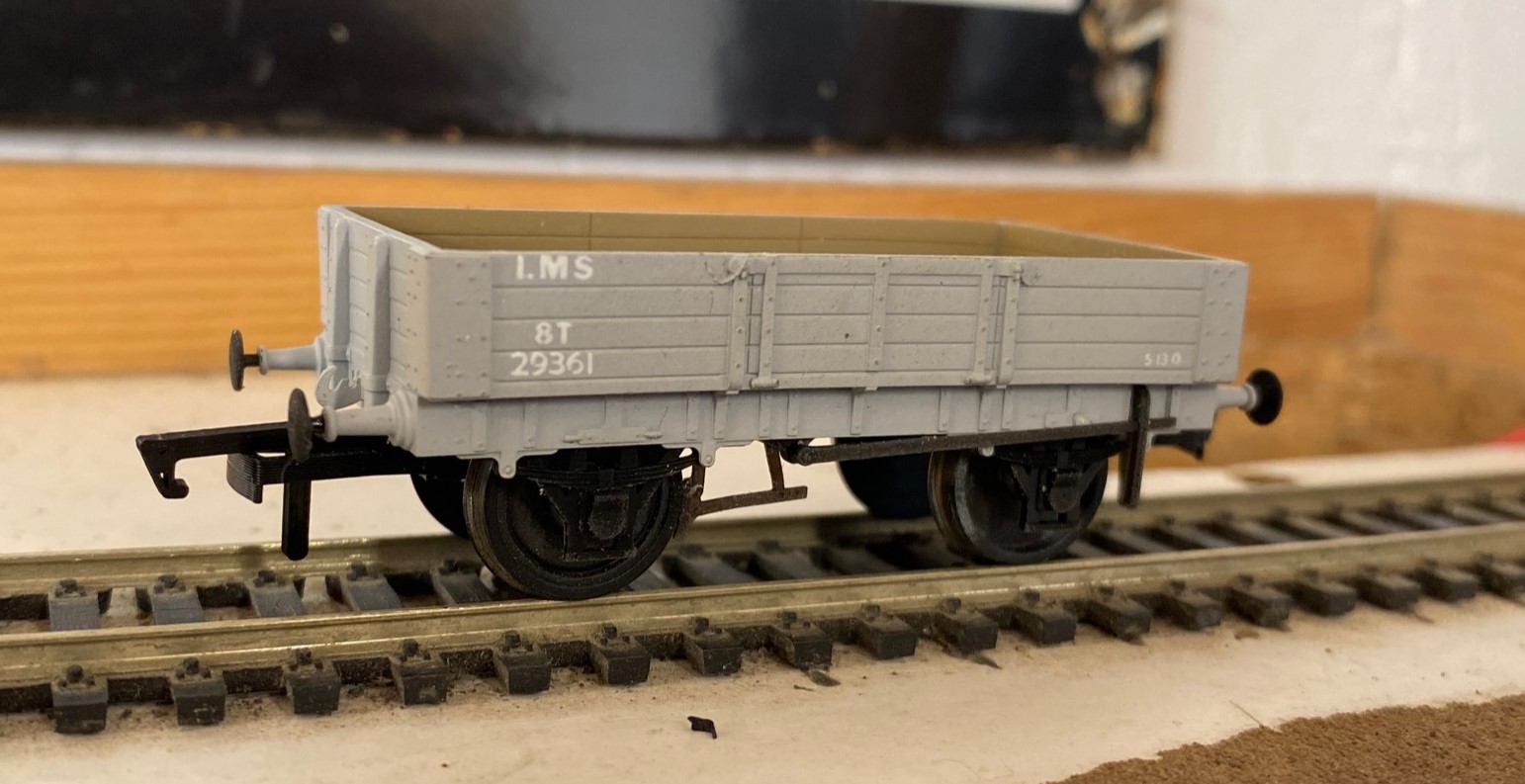
The model is of a Jones era open merchandise wagon to diagram 19. There are insufficient records to confirm when the prototypes were in production but probably in the 1880s upto the latter part of the 1890s. Similarly, withdrawal dates are unknown but it is probable that they lingered to the LMS era, but probably not by much. It was designed to be used for a variety of merchandise, often below a tarpaulin, but might well have been pressed into the carriage of minerals or even fish. Certainly, they were used for transporting sheep which was a seasonal (and substantial) traffic for the Highland. When used thus, they would be fitted with flakes to provide a higher fence to reduce the sheep suicide rate caused by jumping from moving trains.
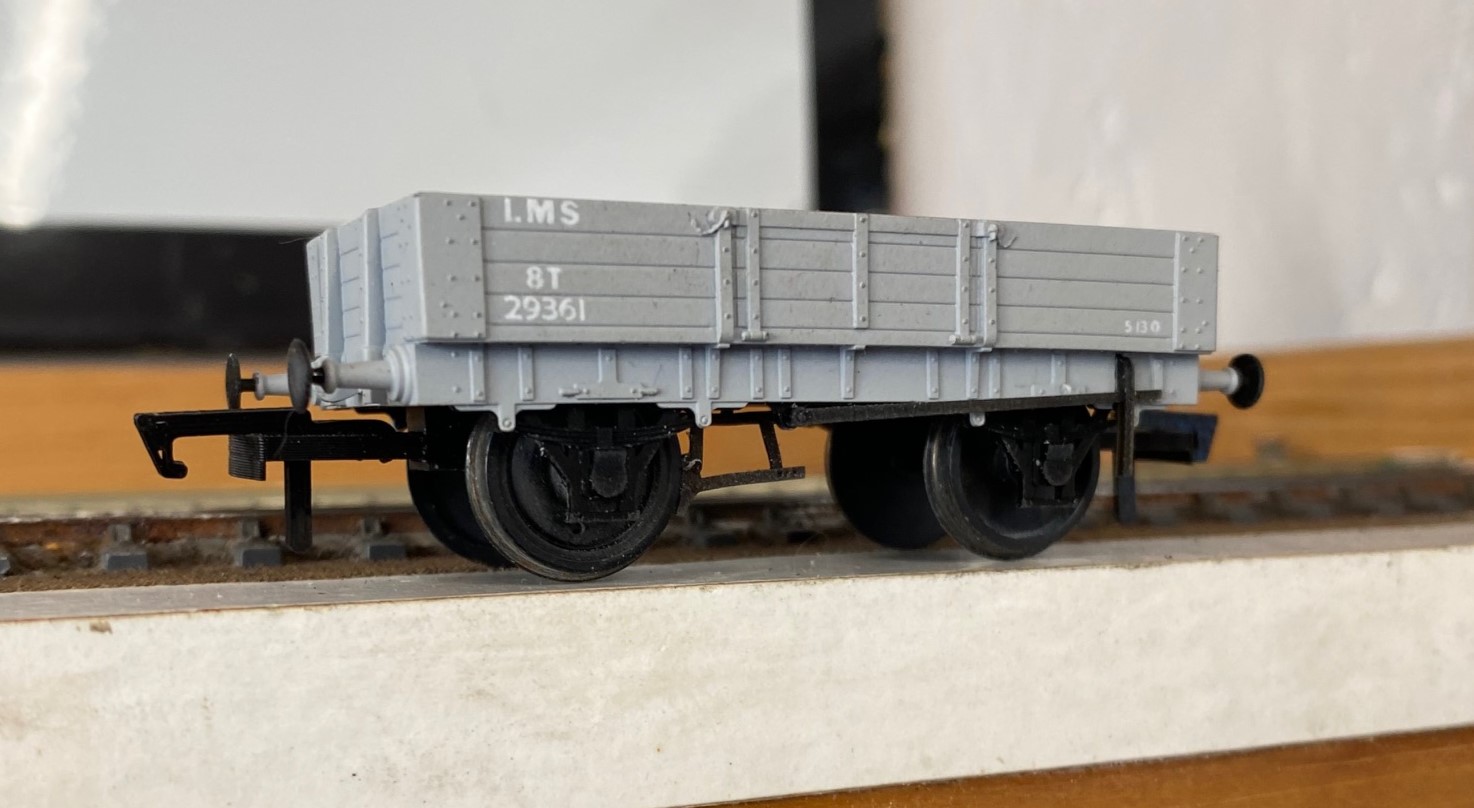
The model is 3-D printed from resin and the quality of the printing is surprisingly good with almost no stratification lines. The resin seems to have some flex to it so ought to be durable and the wheels run relatively freely in the bearings. The resin appears to be self-coloured, with the chassis being in black and the body the intended livery (mine was in grey but there is a red oxide colour for the highland livery versions). This had led to some errors of colouring in that the trunnions and couplings should be black and the grey is too light as well as needing a bit of green to be a match for LMS grey. However, the lettering livery selected is the later LMS livery with small branding suitable from 1936 and is not strictly speaking correct even then as it has the wrong layout and an impossible wagon number. To be fair to Sam, he admits this is a “what if” prospect so if this floats your boat so be it.
The principal dimensions of the model are generally good; except for one important point. Jones era wagons used 3’7” wheels and this is fitted with 3’2” wheels. One of the implications of this is that the buffer height is too low but fitting the correct sized wheels does correct this. Swapping the wheels as an OO modeller you will need a trim of the framing on the underside to allow the flanges clearance to turn and all 4mm modellers will find that the brake block fouls the wheels and has to be replaced – or as i did softened with the heat of a soldering iron and bent back. The correct wheels should be split spoke and whilst these are available from the r-t-r manufactures in the smaller size, I don’t think they do them in 3’7” so you Gibson wheels are your best bet. The impact of the larger wheels is quite striking; they look rather quaint and from a time past compared to what is generally available to the modeller – but then again, that is exactly what they are!
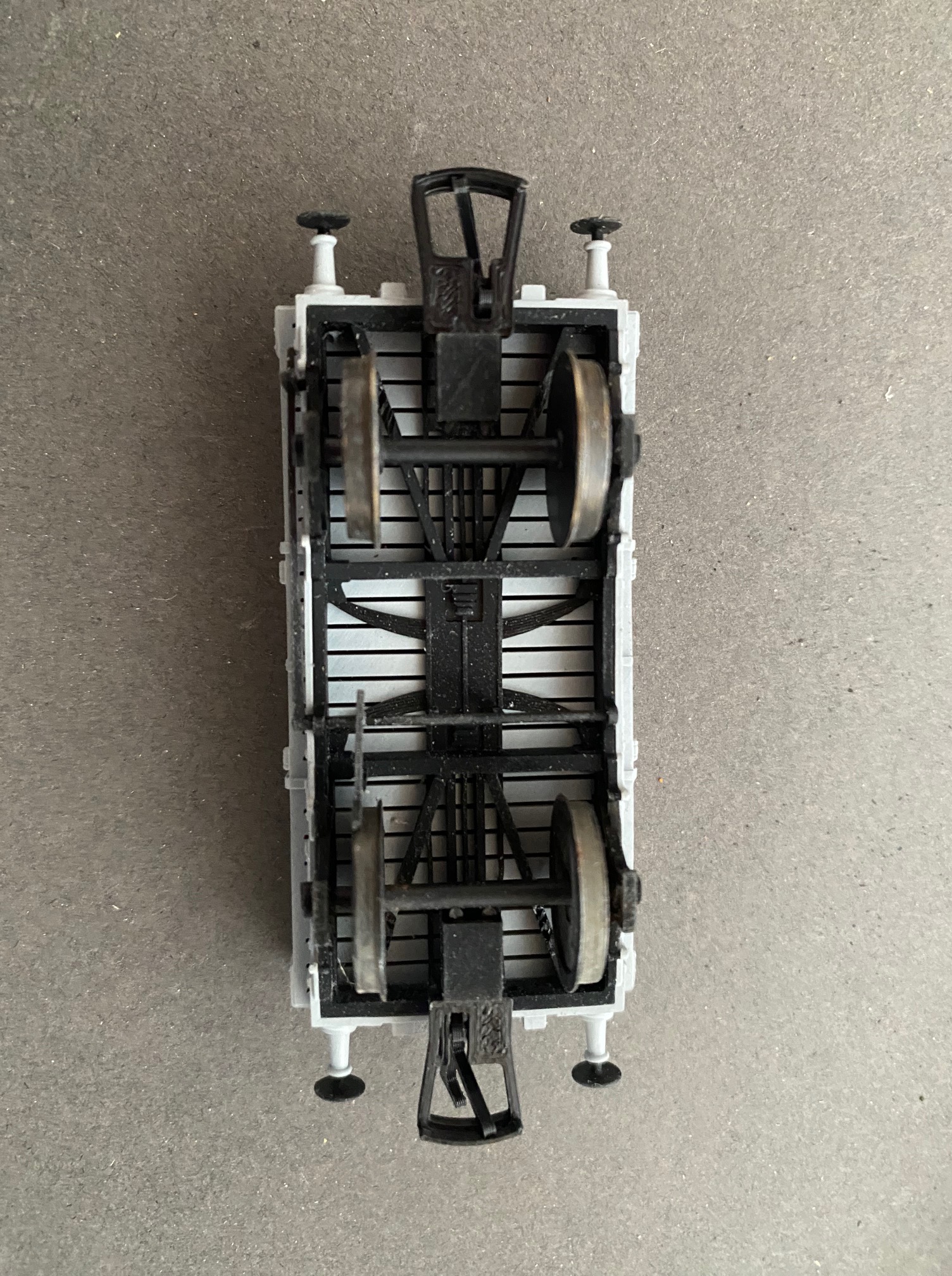
Most of the detailing is crisp and fine, but in some respects too fine such as the brake block. Conversely the body sides are too thick – possibly a compromise to make the model more durable or easier to produce – but never the less it makes the wagon a bit clunky. The buffers are separate and it looks quite realistic to convert them to sprung buffers if desired. The model comes with safety chains which are very nicely made but these would only have used early in the wagon’s life so the fixing holes need infilling for any modellers from the turn of the 19th century onwards. The trunnions also seem to be overly wide and the operating rod for the brake pivot has been extended to the blind side of the wagon for some reason – so a little surgery is thus required.
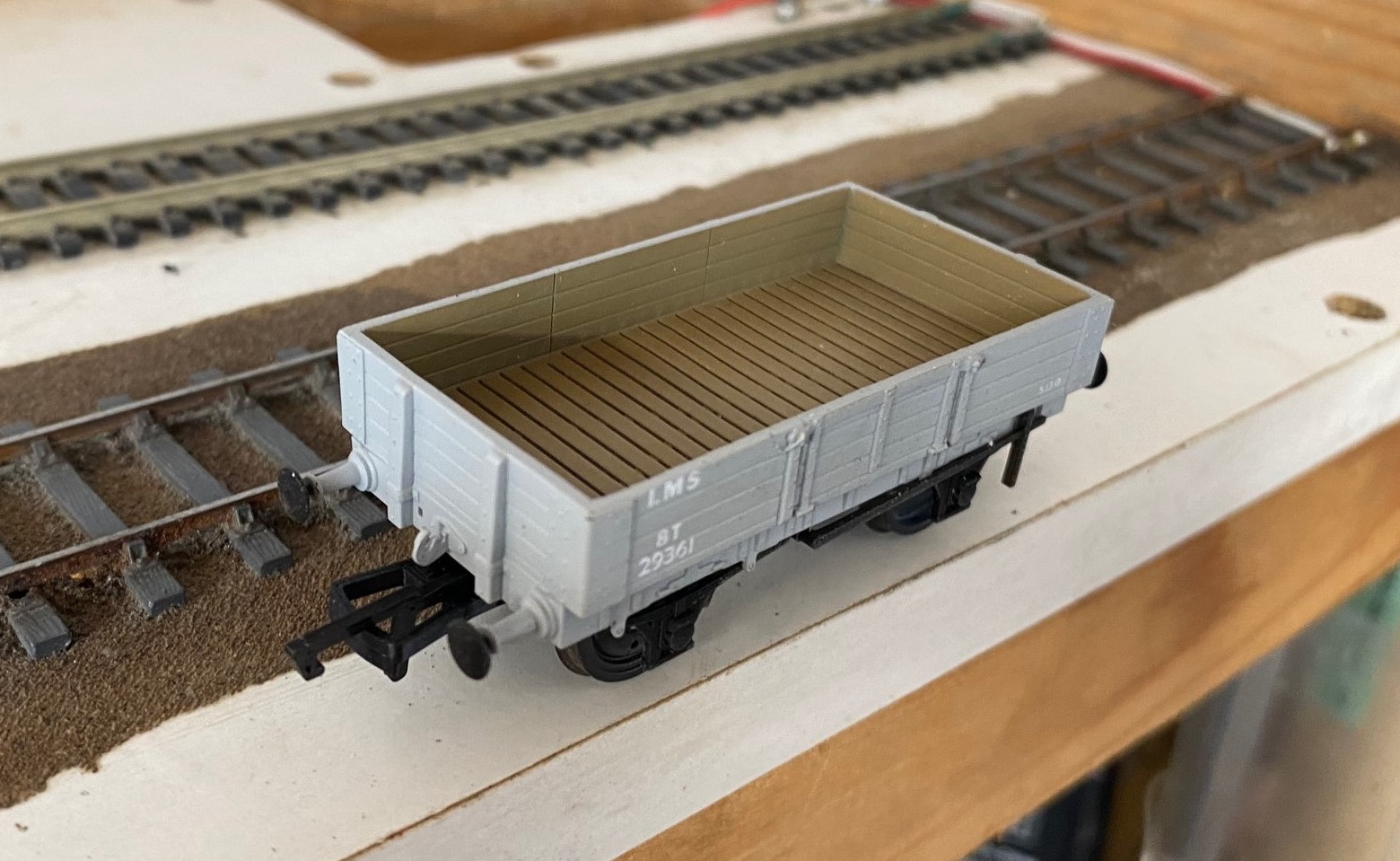
My model was bowed, with the high point to the middle of the wagon – whilst many wagons did bow over life, it would normally be the other way with a sag in the middle. This is likely to be a function of the manufacturing process – I suspect that putting it in very hot water will soften the resin and allow the bow to be corrected. What will not correct with hot water is the rather odd slatted floor – not sure where this comes from as there will have been no desire to deposit the commercial material on the track! A new plasticard floor is thus required. Less easy to fix will be the axlebox / springs which are significantly undernourished but are integral with the W irons so adjusting these will require the use of etched W irons and then castings if you can source these.
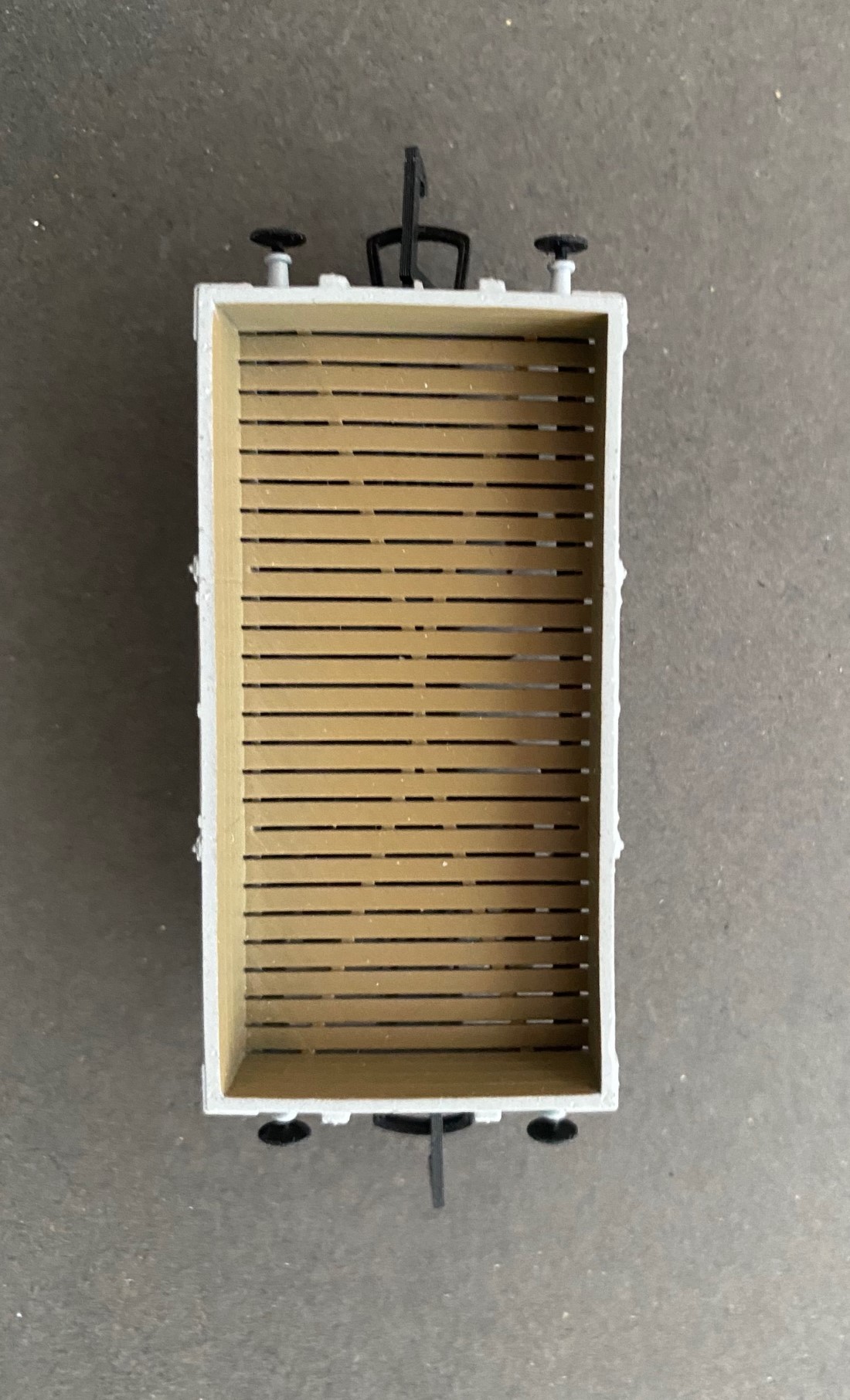
It is likely that this model is intended for customers who just want something “Highland” to go with their Jones Goods’ and for whom these errors are not going to be important. Against this criteria, the model is acceptable and if this promotes a bit more interest in the Highland Railway, this is fine with me.
However, if you want a more accurate model then the list of things to be attended to is not inconsiderable and as the joke goes, if i wanted to get to there, i wouldn’t be starting from here! I will be putting mine on ebay before too long is perhaps the most succinct conclusion I can offer!
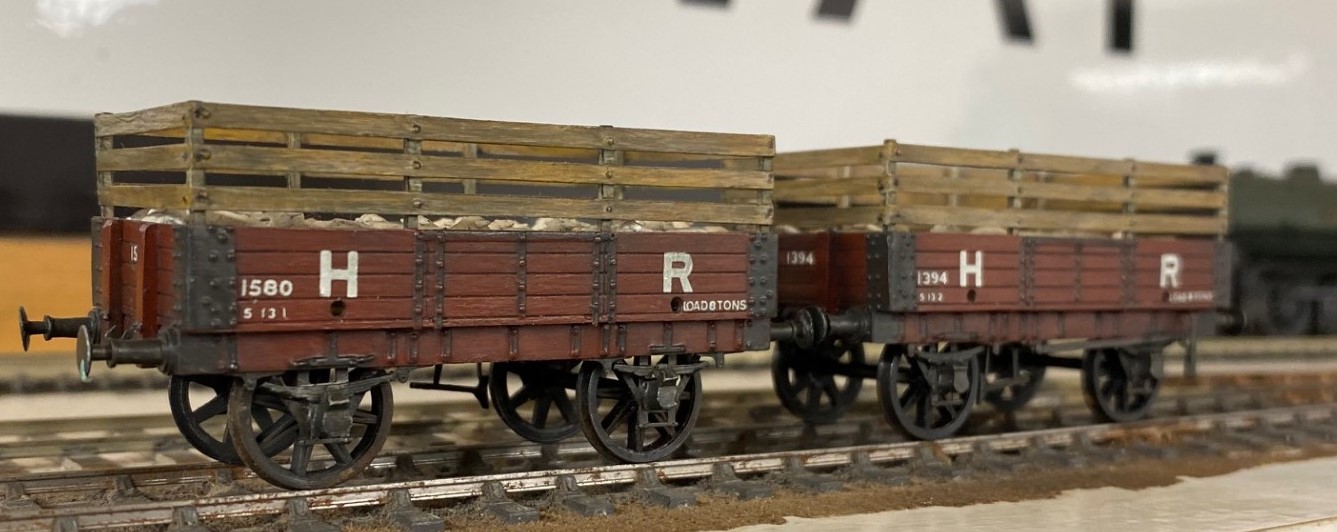
A pair of rather nicer dia 19 open wagons; this time fitted with raves for sheep traffic bult by Ian Terrell from Mircrorail kits. Whilst the origins of the kit will go back at least 40 years, they do look crisper than the Sams Trains version.
Portchullin, Perth and British Railways Modelling
June is a busy month for Portchullin.
Firstly, we will soon set sail in the van to Perth with both Portchullin and Oli & Chris’ Cessy en Bois for their model railway show. The details for this are below and there are a lot of good layouts there, including the two biggest P4 exhibition layouts – Mostyn and Burntisland. So there is plenty to see even if Portchullin does not float your boat (……….as if……….). If you are visiting do please say hello.
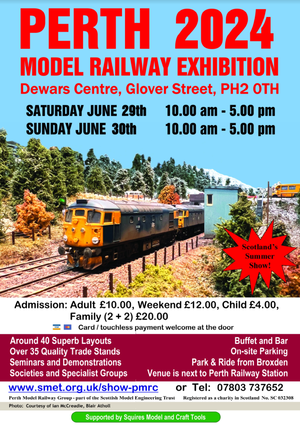
Its a long drive to Perth from Surrey, so to break the journey up a couple of us are going to visit a number of home based model railways that you can’t see at shows. The current plan is to visit eight layouts, two preserved lines and the Perth show, so we will be well and truely model railwayed out by the end of the trip!
As you would imagine, being able to visit a number of layouts that don’t generally get seen will provoke the camera to come out andas there are a number of treats in stall, keep an eye out for future blog posts.
The other activity for the month has been the writing an article for publication in July 2024 issue of British Railways Modelling. This, combined with photos from myself and Andy York makes what I hope is an enjoyable article.
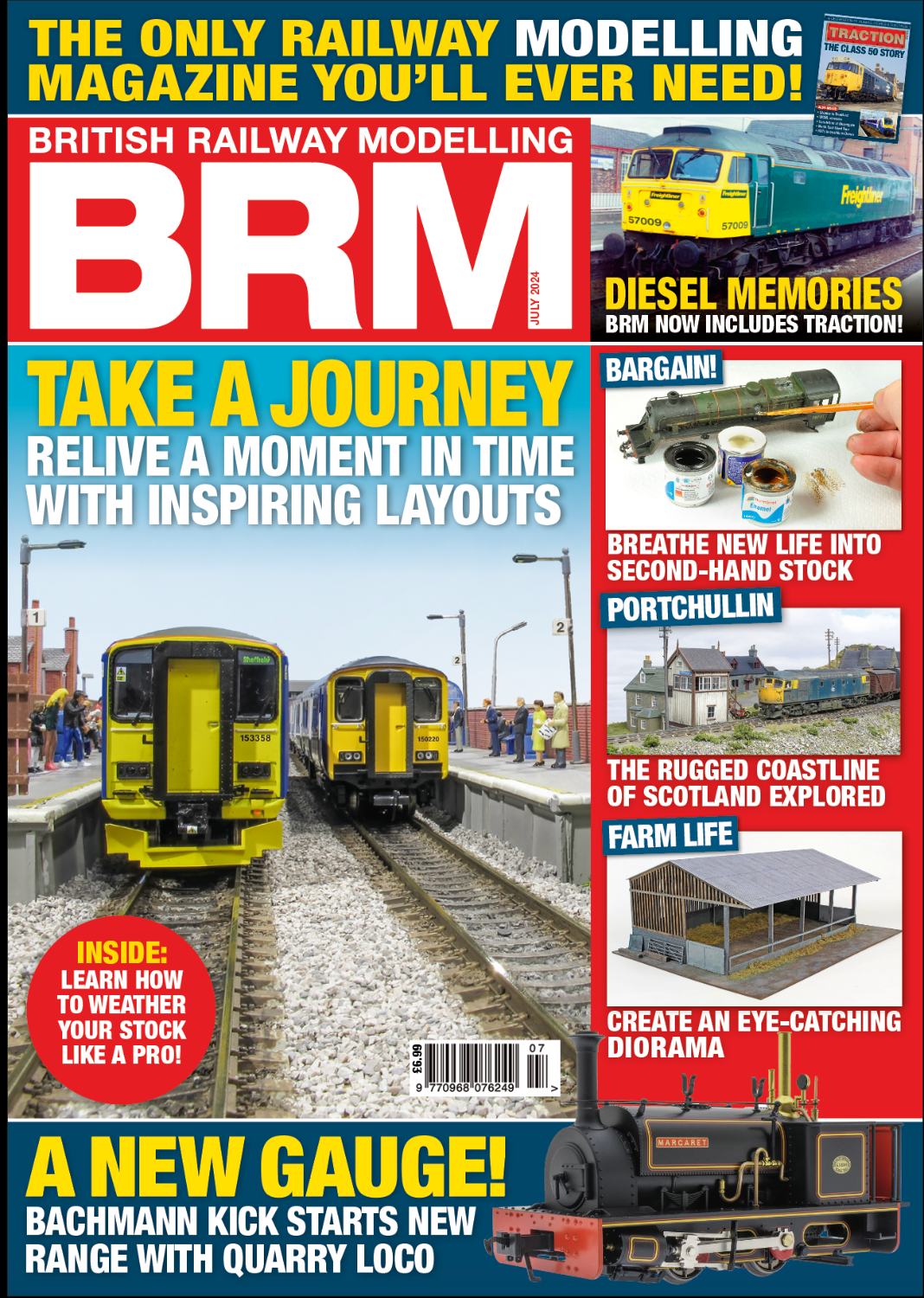
I have particularly talked about the origins of the layout and how it was conceived, with a smaller amount of information on how it was done. It should be available simultaneous with this post and if you have any thoughts on it, I would welcome feedback.
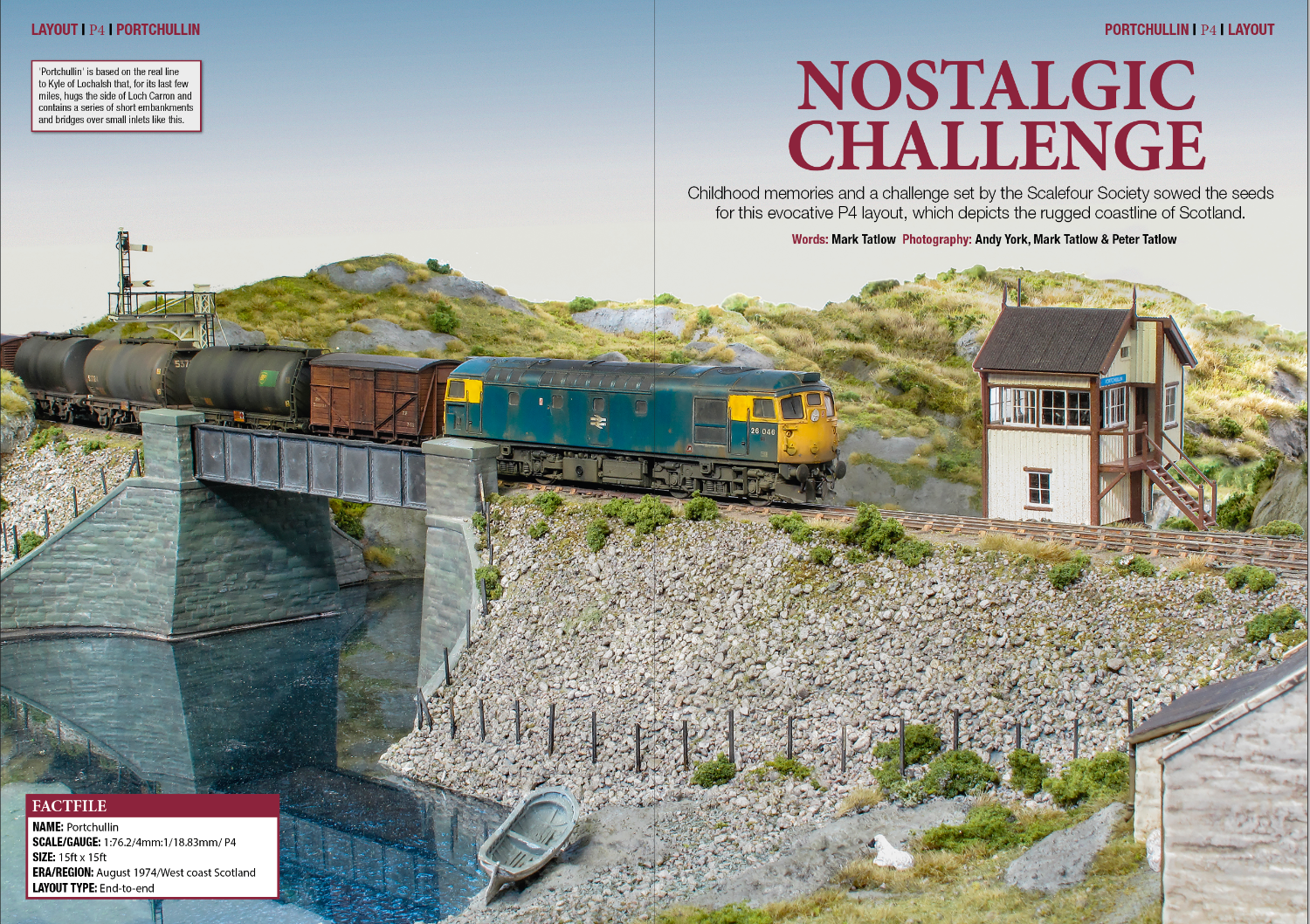
50 Years Ago……….
In 1974, after facing years of closure threats, the Kyle line was finally given a final repreive.
I thought it ought to be remembered.

Oddly, the supposed reason for the repreive was the increased freight traffic associated with the oil industry at Kishorn. This never proved as abundant as hoped but by the time this was realised, the social impact that the closure would cause had become sufficiently political that the line has not been seriously threatened with closure since.

Delayed Delivery – Part 2
Once the basic structure of the gantry is in place, the real task of making the signals signally commences. First up were the smoke deflectors and the brackets for the balance weights. Also fitted are the main portions of the fan route indicator, but that will be explained further once I get it going!
For the arm bearing point and lamps I am using some 3D prints produced by Steve Hewitt and available from Shapeways. They can be found here https://www.shapeways.com/product/JJRSB … arketplace. They are fairly expensive but they are neat and save a lot of manufacture. There is, however, a but – they are very delicate and I am very fearful of thier long term durability. I am highly likely to draw some of my own up and get them cast in lost wax. It will make them even more expensive but I have about a 50% casualty rate at the moment, so maybe in the long term it will be cheaper!
The arms are Masokits, these are definitely the best available arms for LMS/LNER/BR semaphores. This is especially true of the minature shunt arms as the MSE ones are simply too delicate to bother with (imagine how do I know that………….!). So this is where we are now at with the arms mounted temporarly on the bearings.
There are five movements in the down direction (three of which operate via the route indicator) and then a pair in the up direction – hence the back to front arms.
The plates at the top of the dolls are mounting points for ladders. It transpires they are wrong and have already gone!
So the intensity level has dialled up a notch with these portions (especially breaking the bearing/lamp fittings) but it really gets interesting when you try and make these things work.
I don’t know myself yet (although I know for the couple of arms I have finished, so I have an inkling), but i think it might be fun to have a little sweepstake on how many moving parts there will be in the finished gantry. Five arms, three fan route indicators and each is operated by way of angle cranks. Each arm, crank and intermediate wire counts as a moving part, as do the servos………………..guesses please?

Delayed Delivery – part 1
After a long pause, caused by that irratating thing called life getting in the way, I am looking to deliver on some long made modelling promises over the holiday season.
The major task is a rather full on gantry signal with no less than eight movements on it (which is an improvement, when initially designed it had nine!), including a rather natty fan route indicator. This is for a friend’s layout and is in return for some signal cabins that he built no less than 15 years ago – I told you the promises were long made! Mind you, he hasn’t got the layout fully running yet, so I am still ahead of him!
The gantry spans only two lines so it can be formed with channel section. There are good drawings and pictures in LMS Journal no 5 of this. I have made mine from milled brass section and then the landing was a custom etch I designed as it takes a surprisingly large amount of material and effort to construct this from scratch. These etches included the doll base plates although the dolls have a thickened tube at the lower level which of course I forgot and had to undo later work to put on!!
The signal is to be located on an embankment which meant that I could not simply put flat base plates on the foot of the gantry columns. Instead I have constructed a housing that matches the slope of the embankment and then the baseplates are partially sloped to match this with square sections representing the foundations of the prototype columns. Below these baseplates I have then formed housings to take the servos which will eventually operate the arm actions.
So far, this is pretty easy modelling (although I lost a number of drill bits opening up the stanchion positions on the landing – grrrrrr!). The tough bit comes next……………
There are potentially two viewers of this thread who might be thinking that I have long outstanding modelling promises to them too……………I am also working on one of these too!!

News from Miscellany Models
With the assistance of Duncan Petford, Miscellany Models are now offering engraved glass windows featuring the thistle emblem that the Highland used to obscure the windows of toilet compartments. They come in packs of five, for £7 postage included and are available here.
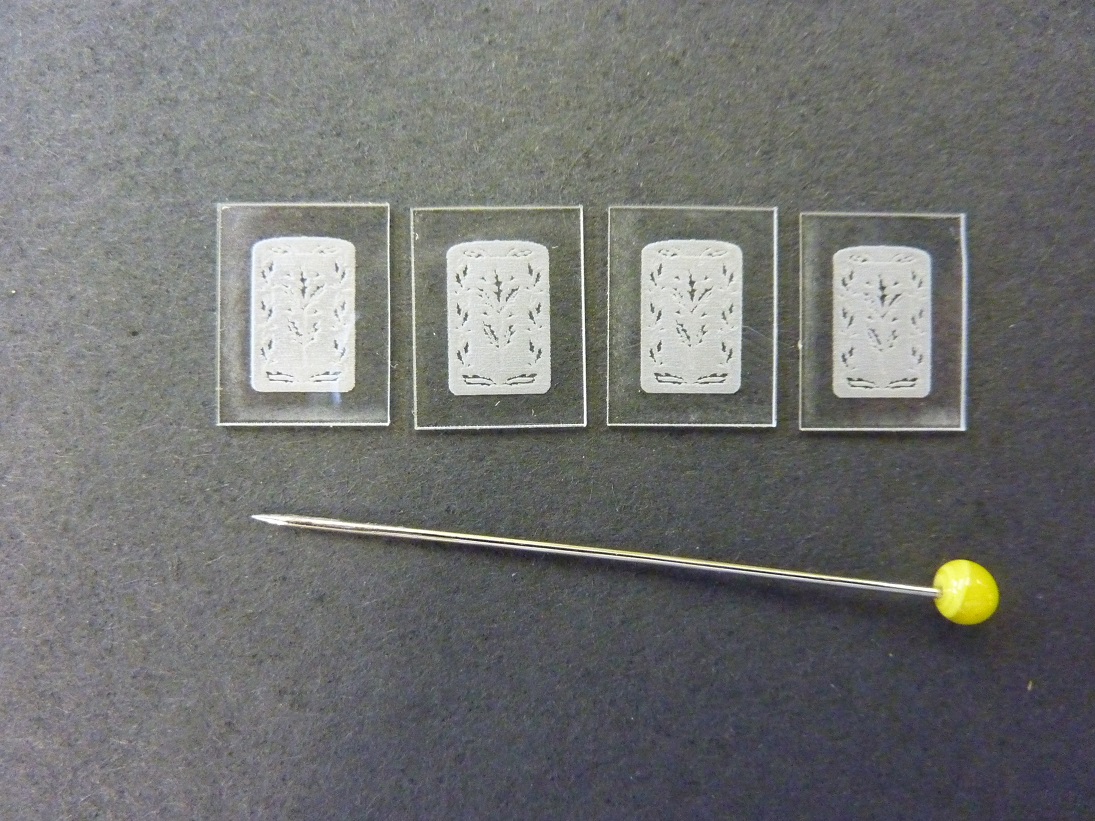
These are laser engraved on 1mm perspex and really lift the appearance of a Highland coach, as you can see:
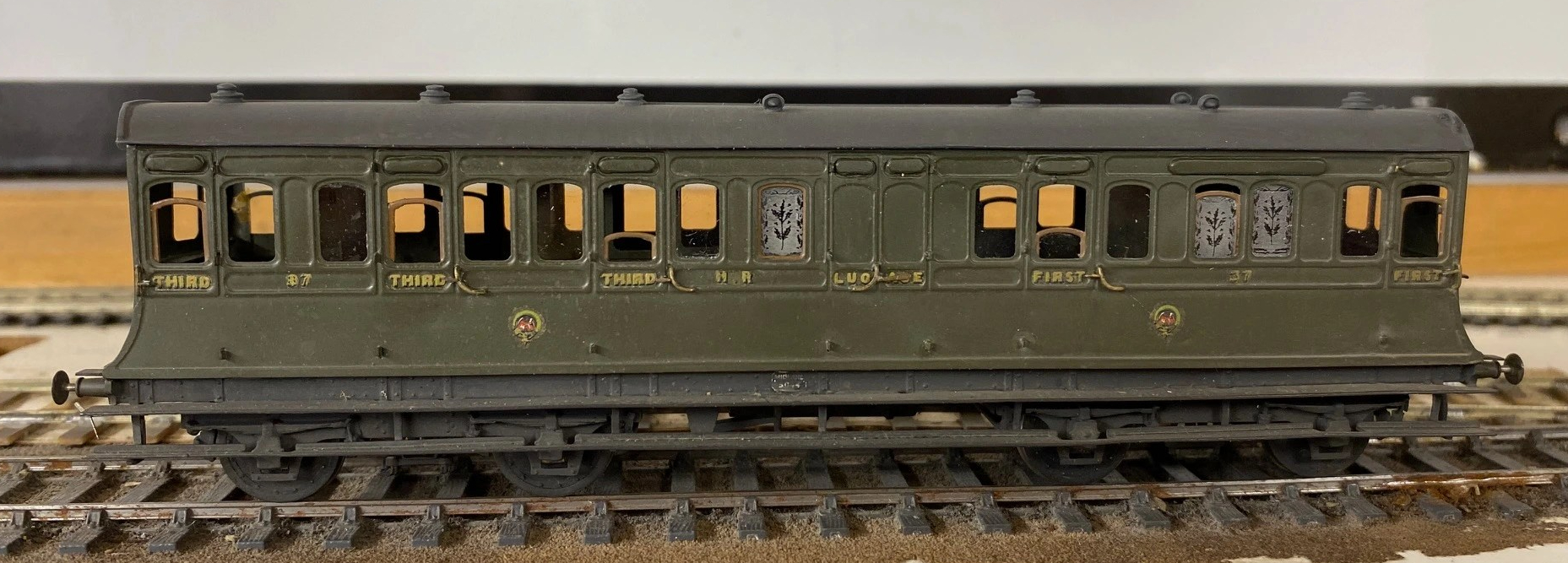
Sadly, I have also had to increase the prices for most of the products. The costs of the last few deliveries from my etchers have been eyewateringly expensisve, so I need to defer a degree of this. The good news is that this is an indication that more products will soon be featured too – so Highland and LMS modellers keep an eye out.
Portchullin Goes Green………….Again
Fear not, this is not an announcement that the McRats have been converted from DCC to run on ethanol (although this remains the preferred fuel of the layout’s operators). Instead it is a recognition that after 13 years on the exhibition circuit, Portchullin was getting a little faded and even battered. The colours of the vegetation were fading and the woodwork was showing all the miles they have been lugged about in the back of a van – all in all it was looking like 1970s BR, just not in the right way.
We reached the conclusion that something needed to be done about it and in anticipation of an April exhibition invite, the gang arranged a session on the layout to give it a spring refresh. Sadly the show had become a covid casualty by the time we met up but we convened anyway and even the stone-cold hearted Pete was showing emotion at seeing us all again by insisting on greeting us all with a hug!
So out came the static grass machine, modge podge and various scenic materials and away we went…….
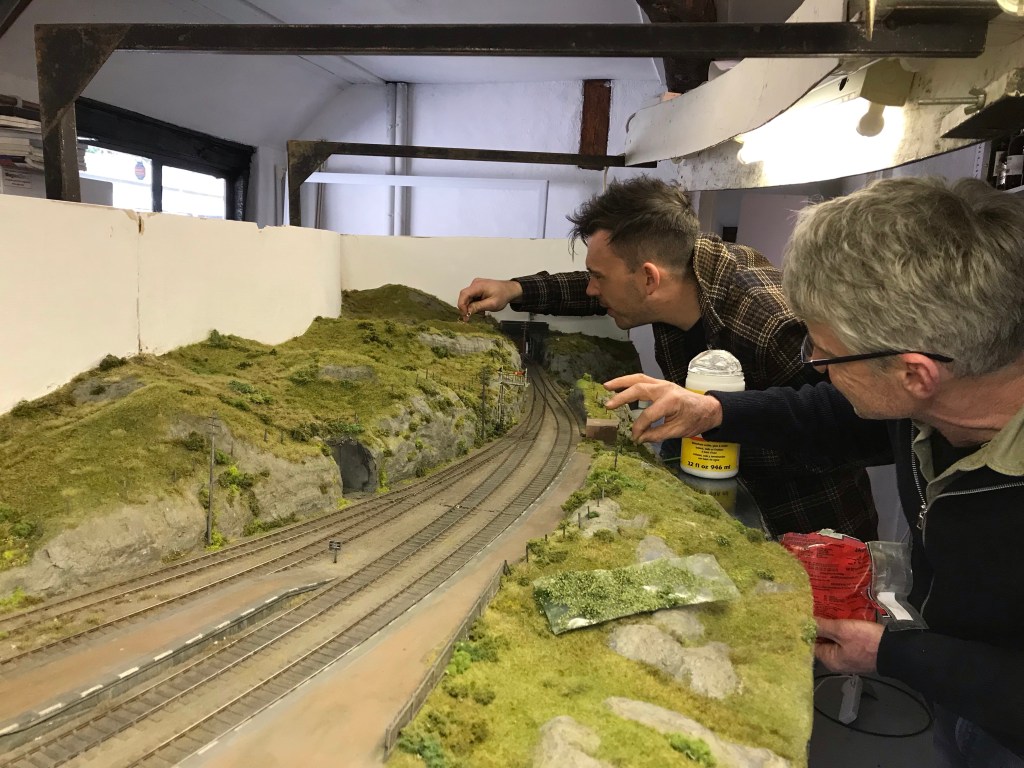
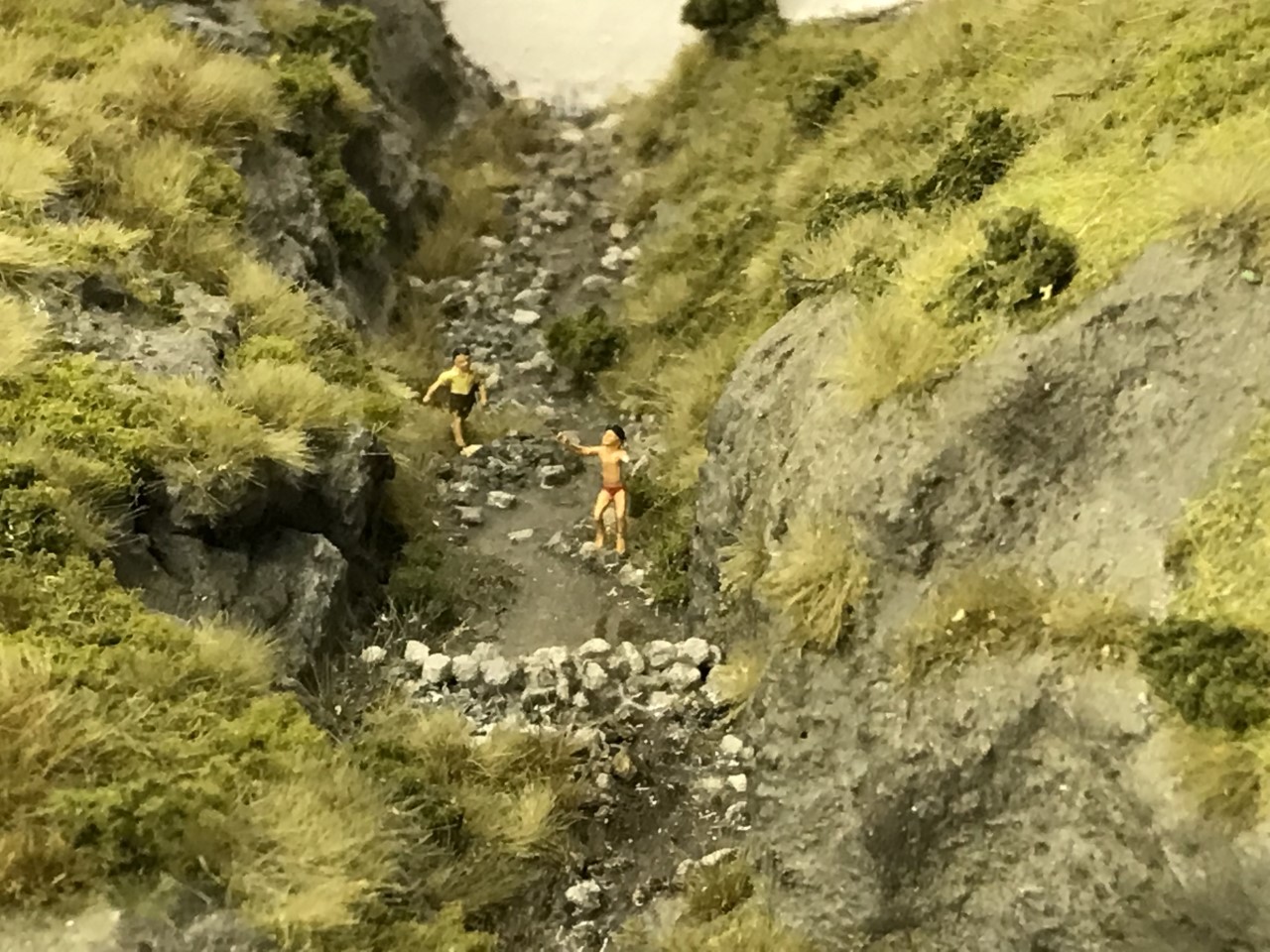
We ended up making quite a lot of difference in only a short while, but adding the dwarf bushes and other vegetation then took a lot of time and I am still thinking it needs more attention.
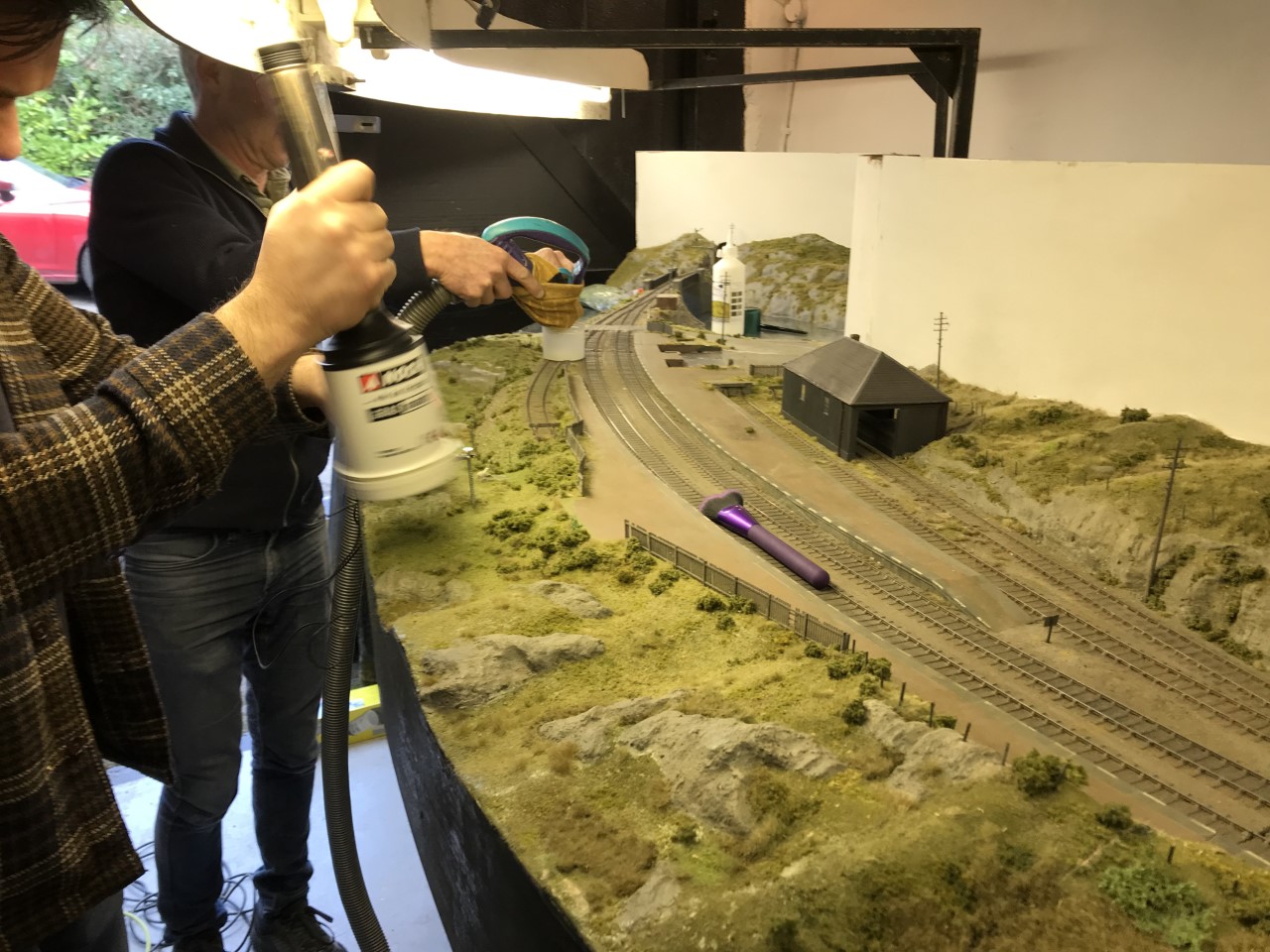
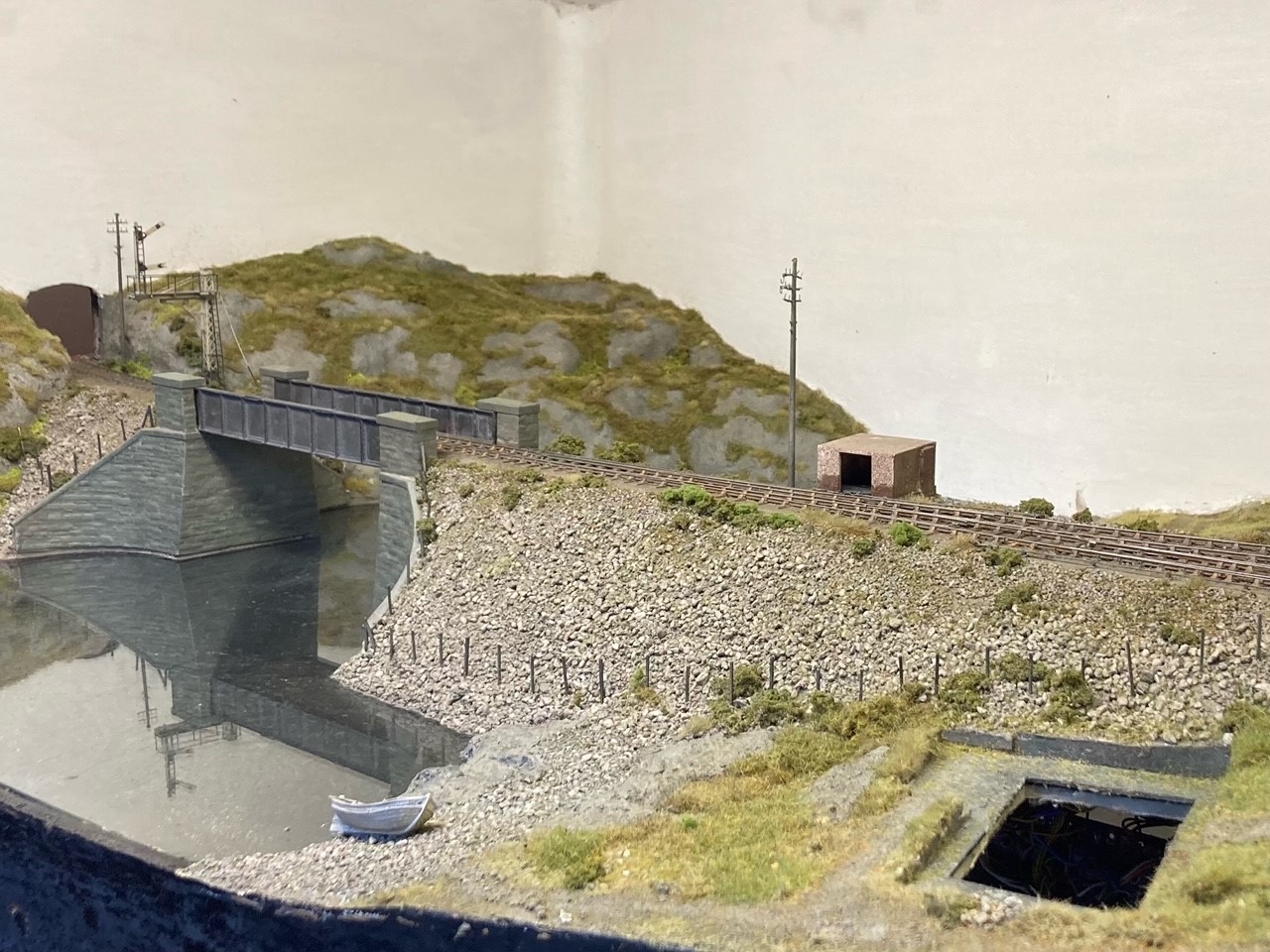
There remains a lot to do, including a revamp of all of the woodshell and lighting gantry, but the layout is looking a lot fresher.
The other main task in hand is a complete rewire. Too often we (well I, the others will have nothing to do with my wiring) have had heads under the baseboard trying to sort out either point-motors or errant wiring, it has to change!

The Polytechnic Special Excursion Train
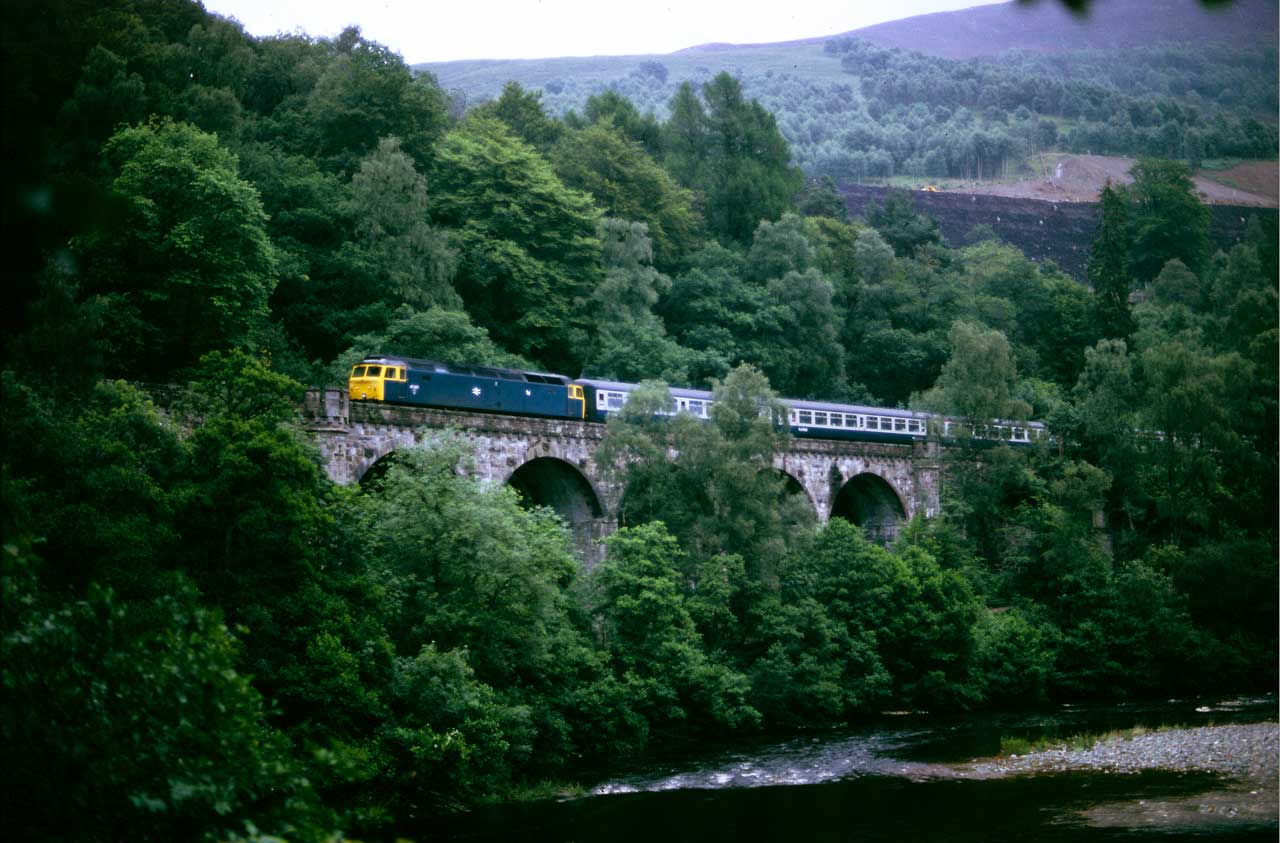
From time to time, I see photographs that are intriguing or catch the imagination. This week generated one such example that I felt was worth sharing. In addition to being a rather wonderful timepiece of Edwardian travel, this view of a Highland Railway series 1 castle on the viaduct at Killiecrankie prompts a number of interesting discussion points.
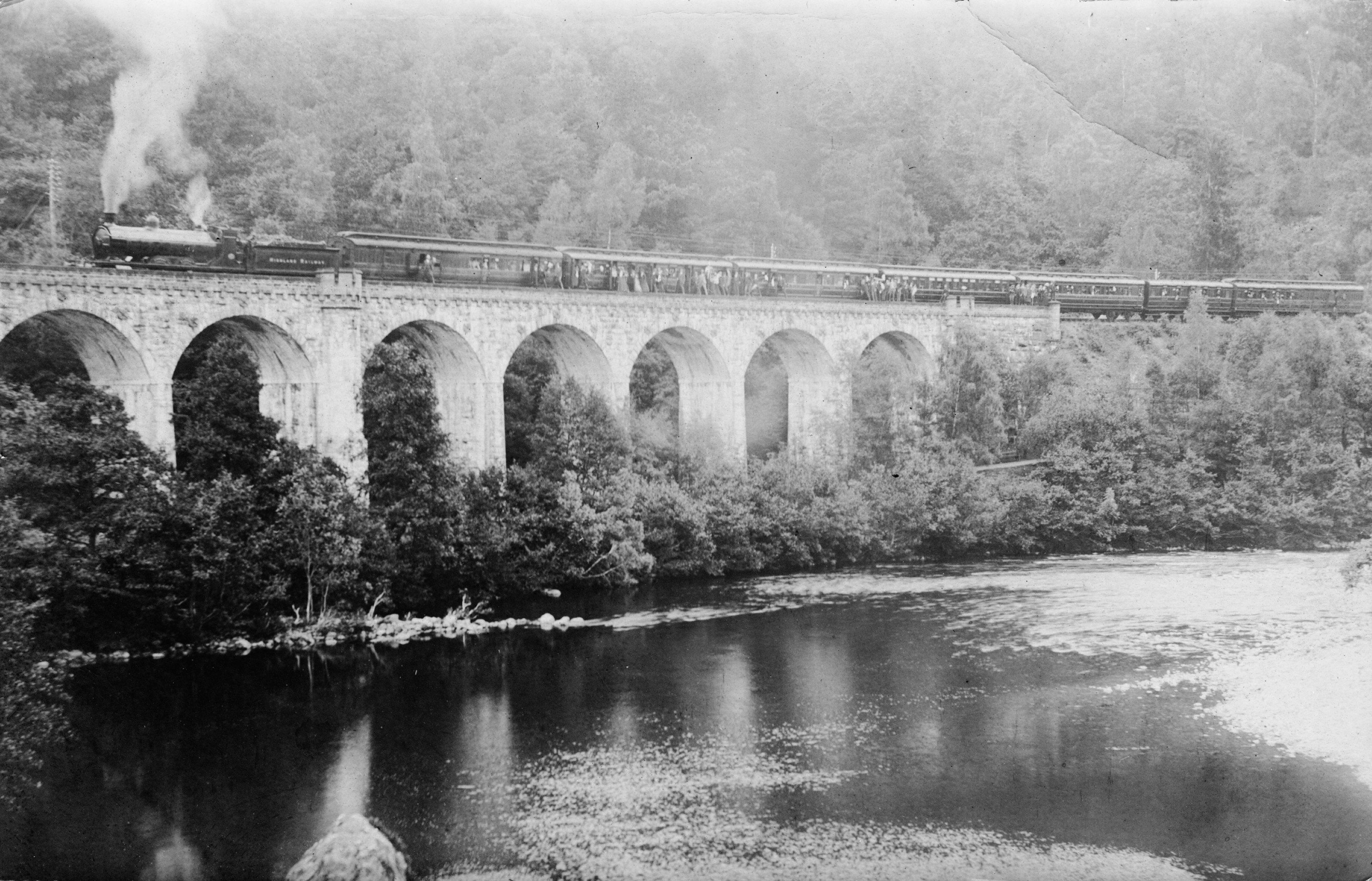
Dealing with the purely railway one first; the constitution of the train. This is largely made up of East Coast Joint Stock coaches from the early part of the last century, supplemented by a Great Northern dining car and one NER coach. The East Coast Joint Stock Co was a joint undertaking of the three companies that made up the east coast route from Kings Cross to Scotland to provide coaching stock that could run across three company’s lines. Back in 2016, I showed my part build of a very similar coach to those on the viaduct for you to compare. By the way, before long there will be a further instalment in this series, as I have made progress with it and have a pretty much finished coach.
What initially surprised me was that all of the stock was third class; which was very unusual for trains of this time when railway travel was proportionally much more expensive and thus attracted the “monied classes” rather more than today. My colleagues in the Highland Railway Society of course not only had the answer for this but there was even an article on it in their journal a few years back written by John Roake. The train is obviously a special rather than a day to day timetabled service and it transpires that it was one of a series organised by the Polytechnic Touring Association in the beginning of the 20th century. This organisation had its origins as a travel society of the Regent Street Polytechnic (which has developed into the University of Westminster) who arranged tours within the UK, Europe and further afield for its students before subsequently becoming and independent business in its own right. In time, it became a fully fledged travel business and once it had merged with a firm called Sir Henry Lunn Ltd, became a household name to people of my generation – Lunn Poly (now part of Tui).
From around 1901 rail tours of the Scottish highlands were organised in specially commissioned services across the summer season. These were advertised as “a week in bonny Scotland for three guineas“. This was equivalent to a month’s average wage at the time, so even though the service was not in luxurious first class, it was hardly for the masses either. This is rather evidenced by the finery of both the ladies and gentlemen that are visible in the picture. The tour visited a number of Scottish beauty spots, often combined with a steamer trip to complete a round circuit or, as in this case a walk through the scenery to Dunkeld. Dunkeld is 16 miles from Killiecrankie, so they got a fair share of exercise!
The picture is a posed shot and is likely to be an official view for publicity purposes and what caught my eye was the participants standing on the viaduct’s parapet. The viaduct is 54 feet high, so these people are standing about seven stories up on an ledge that is a foot or so wide! Can you imagine the health and safety police sanctioning that now? Mind you, when you look closely at the picture you can see that many of them are leaning gingerly back on the carriage stock – so it appears that they were not oblivious of the fall!
And to sign off, this is an image from about the same place approximately 80 years later in July 1985; a class 47 on what is probably the northbound Clansman service from London Euston (photo by Eastwood 4117). The trees have gown up somewhat in the intervening years – as they have since, the view is largely obscured now but the walk along the river is still worthwhile if you are in the area.
Normal Modelling Will Resume Soon…..
Sorry for the absence of any posts for rather a long time………..
We decided to move house, for a few reasons (a pleasant side effect of which is I can build myself a larger railway room) and this has been nearly all consuming for a few months. We are now moved and whilst we remain surrounded by boxes, normality is slowly returning to our life.
So some modelling posts soon, but first a summer holiday!

A Fold of Cattle Wagons
Your pub quiz fact for the day is that the collective name for Highland cattle is not a herd, as it would be for most cattle. Instead, and only for Highland cattle, the collective name for a group of cattle is a fold. If that does come up in a pub quiz, you owe me a pint!
Cattle were an important part of the highland economy and hence were a good source of income of the Highland Railway. In my slightly distorted version of real history, there were 4 million head of cattle to transport per annum in the Glenmutchkin area (which is remarkable given the cattle population of the entire UK at the time was only a little bit higher!). Thus, a fold of cattle wagons was obviously a pre-requisite for Glenmutchkin and this is what I have been working on of late.
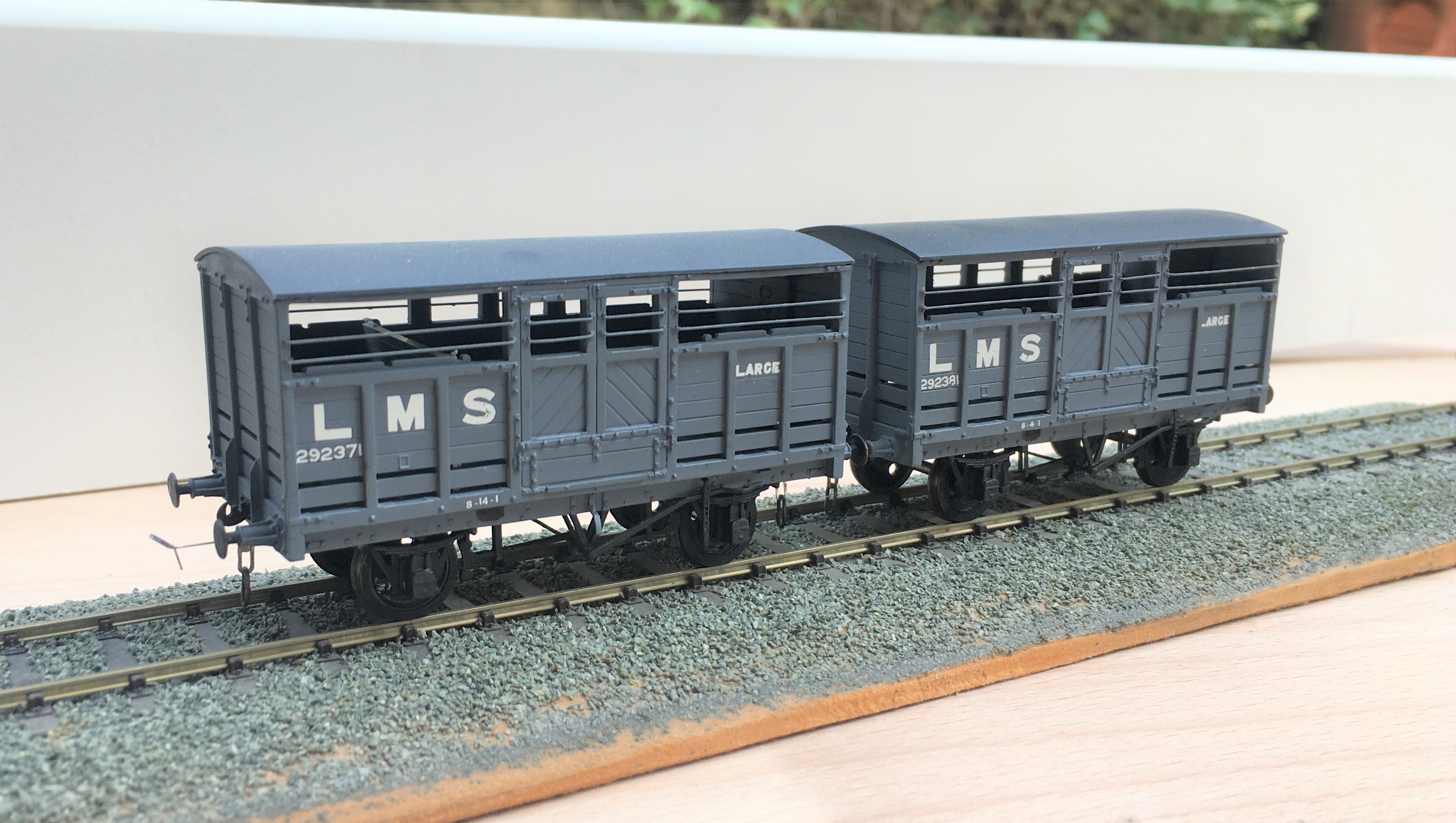
First up are a pair of LMS standard cattle wagons; to diagram 1661. These date from 1925; so they would have been fairly new at the time that my layout is set in. These were built from Parkside plastic kits with only moderate modifications around the break gear and, of course, some sprung w-irons. Being a relatively recent kit, it is generally very good and whilst it is possible to convert it to some alternative variants, these came later than my modelling period so I was not tempted. I am concerned that I have painted them rather to dark though, so I will be weathering them on the light side.
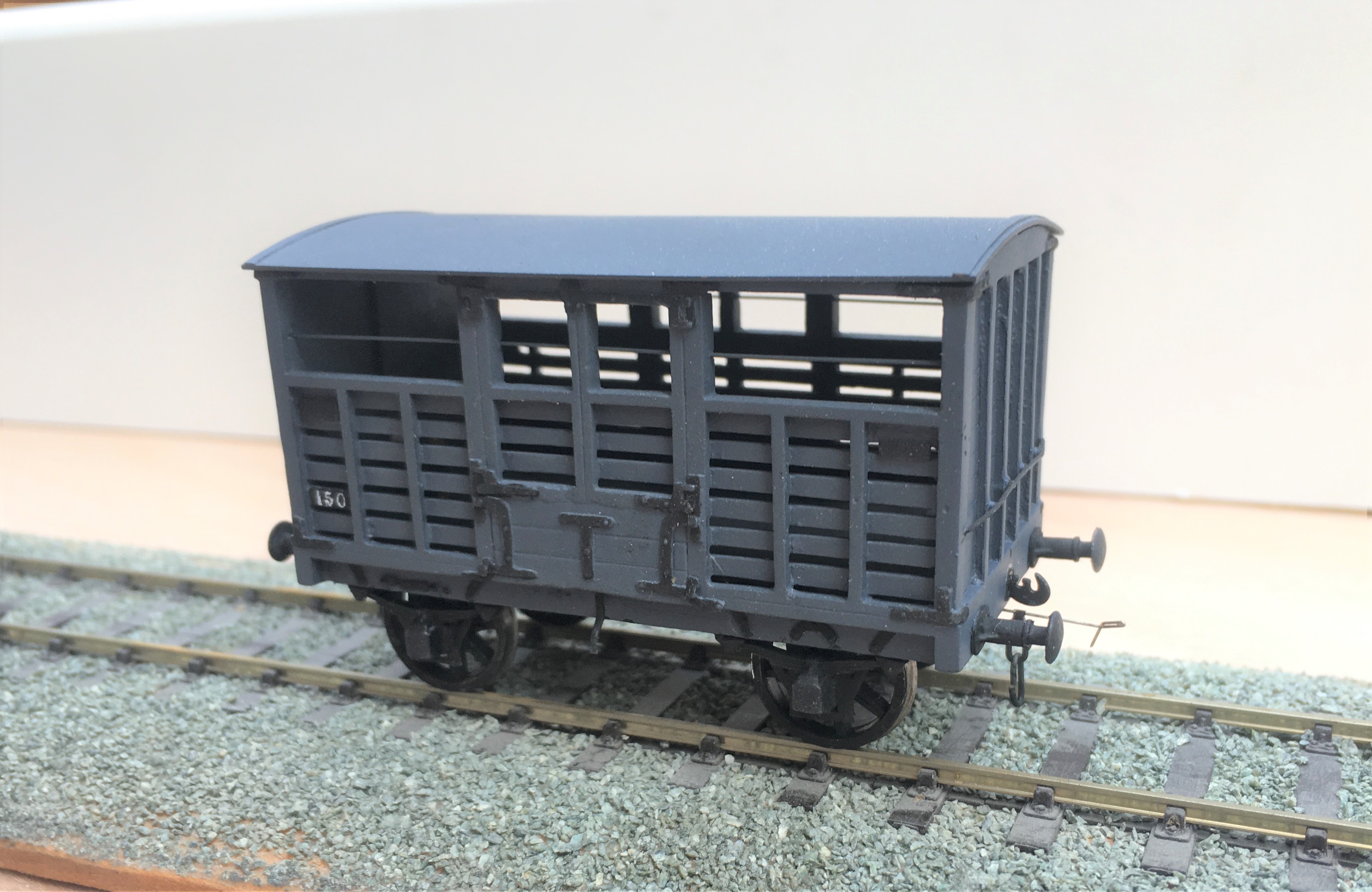
Next up is a Great North of Scotland Cattle wagon, from a Model Wagon Company white metal kit. This is a much older kit and didn’t it felt it! For reasons I am not certain of, the two sides were not the same length so in practise the body is a bit trapezoidal – but can you tell? The casting was also covered in flash which was a particular problem in the gaps between the wooden slats – this meant I spent a few hours I would sooner not have spent scraping it out to keep these clear. The GNoS vehicle was a much more basic vehicle and, strangely, did not get any large ownership lettering so they remained rather anonymous, Instead, they had simple cast plates, which I made from a locomotive number plate and dry brushed white on the letters. I have glossed over the fact it does not have the right number or even a consistent number from one side to the other – sod the “getting it all right” mantra!
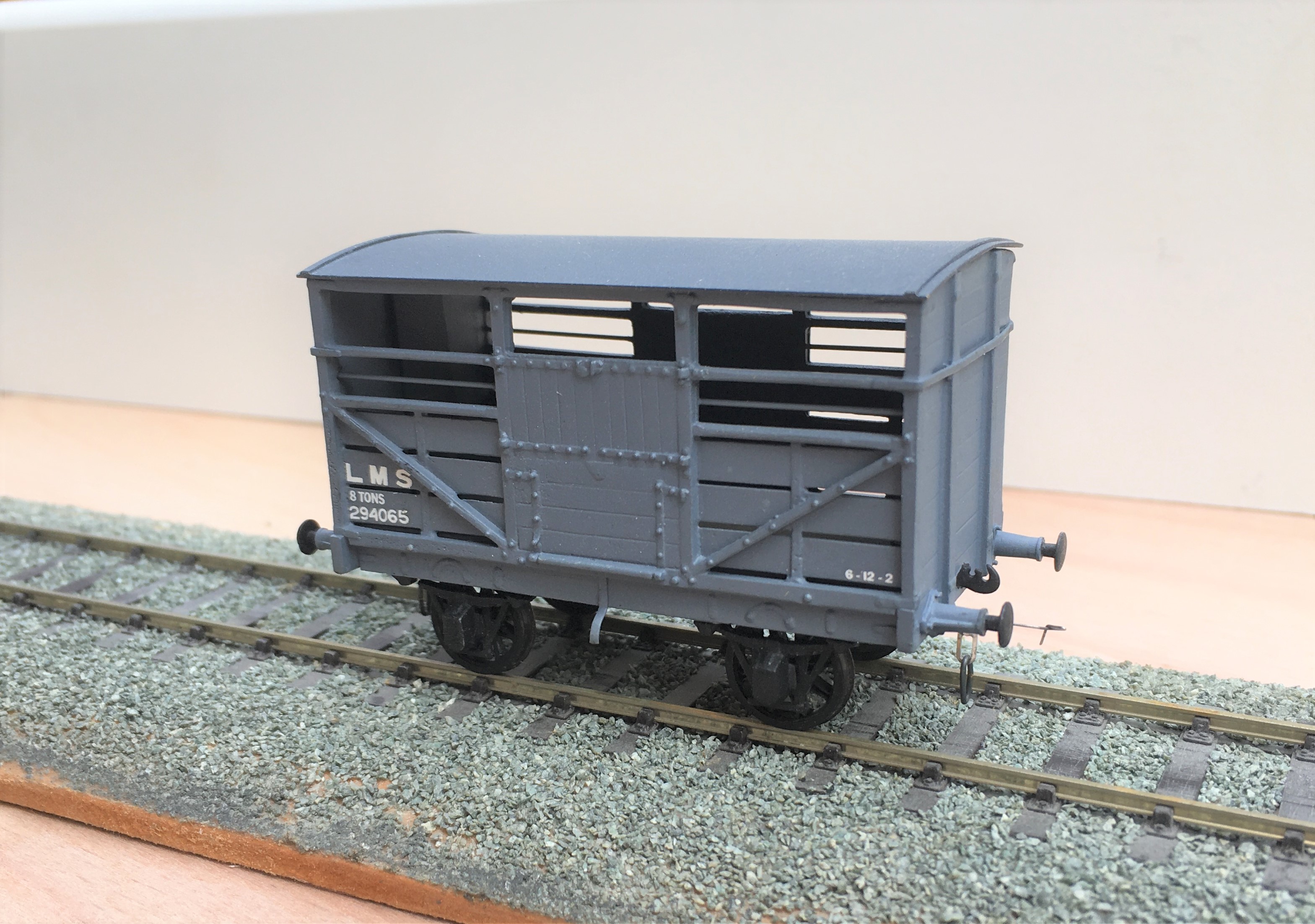
I have also built a further Highland cattle wagon, built from a Model Wagon Company kit. This is the Drummond era version and I have already built a number of these so this was relatively routine – its just as well as there are still a couple in their packet waiting their turn!
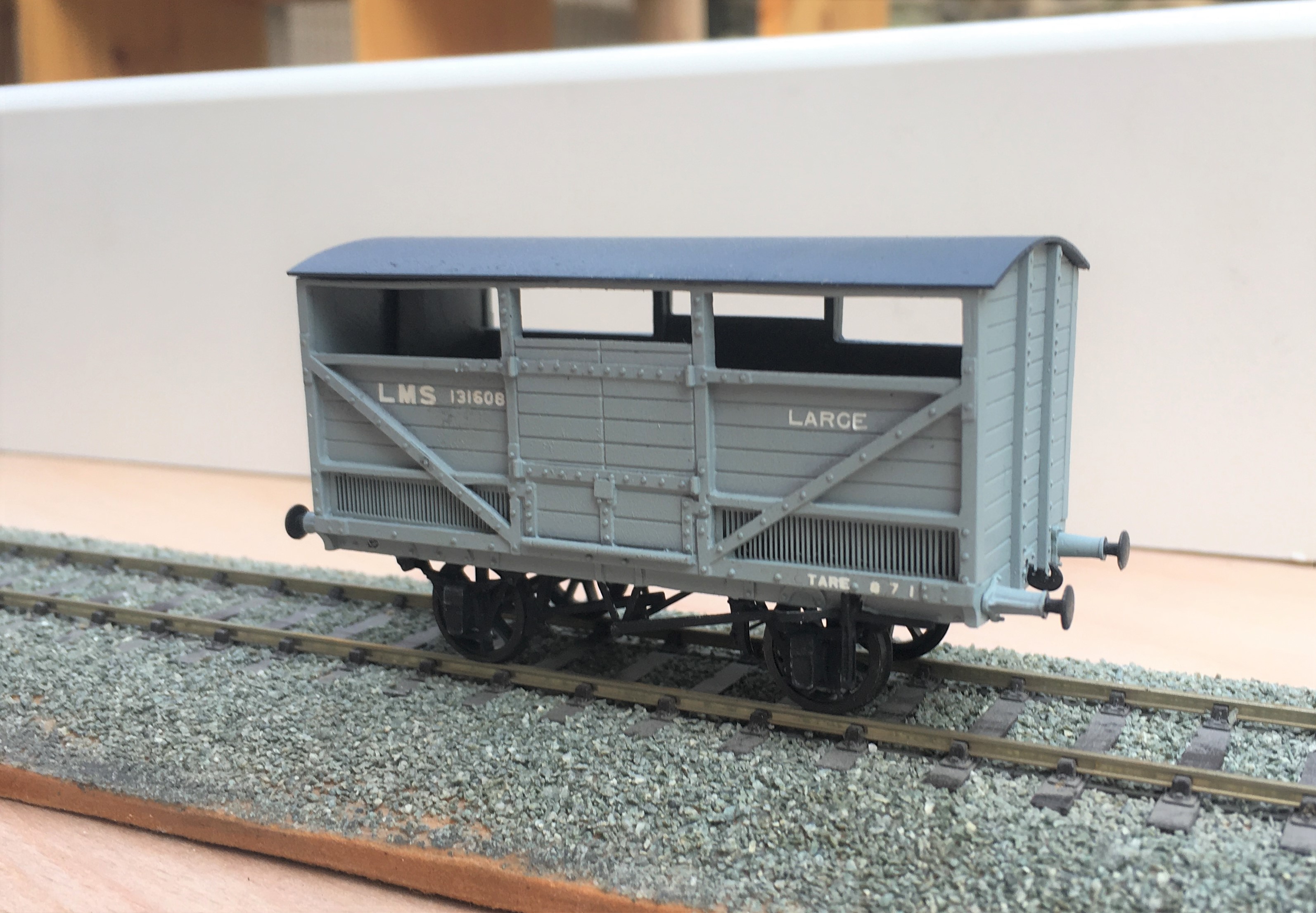
The final cattle van is a David Geen kit for the L&Y large cattle wagon. Whilst still a whitemetal kit, it is of somewhat better quality than both the Model Wagon Co kits so was rather easier to make. Even then, it did need filling at the corner joints and I felt the need to swap the brake levers for replacements – why to even the better manufacturers use the same material for all of their kits?
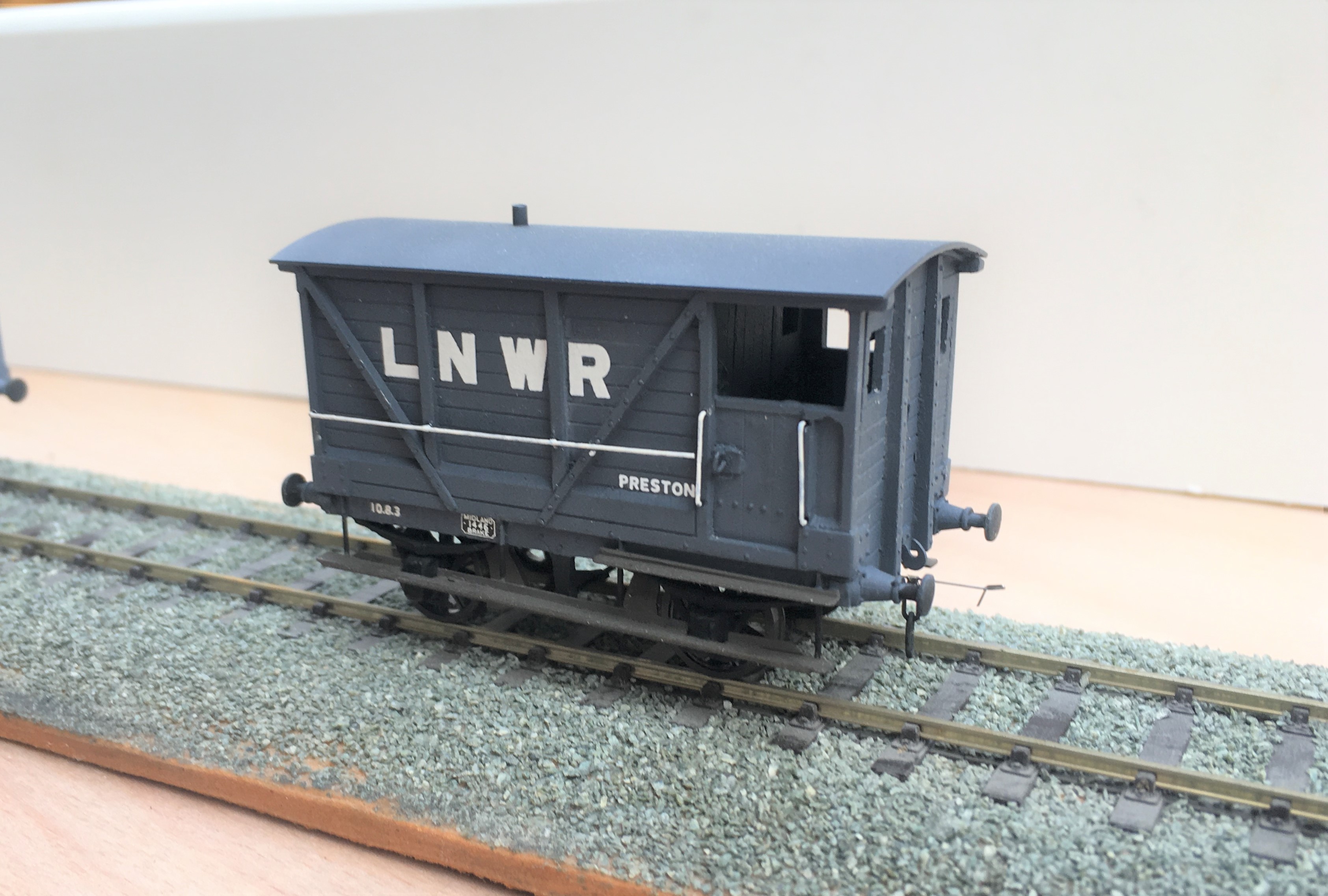
To finish of this little rake, I obviously need another brake van. This is not so obvious because this is brake van no 11 in the collection and I know I have at least one more spirited away! Whilst this was a kit build, it was first a kit unassemble as this was a vehicle I had first built in my teens. Generally fairly well but a couple of bits had got damaged over the years so I felt it needed rejuvenating.
And here they all are on parade.
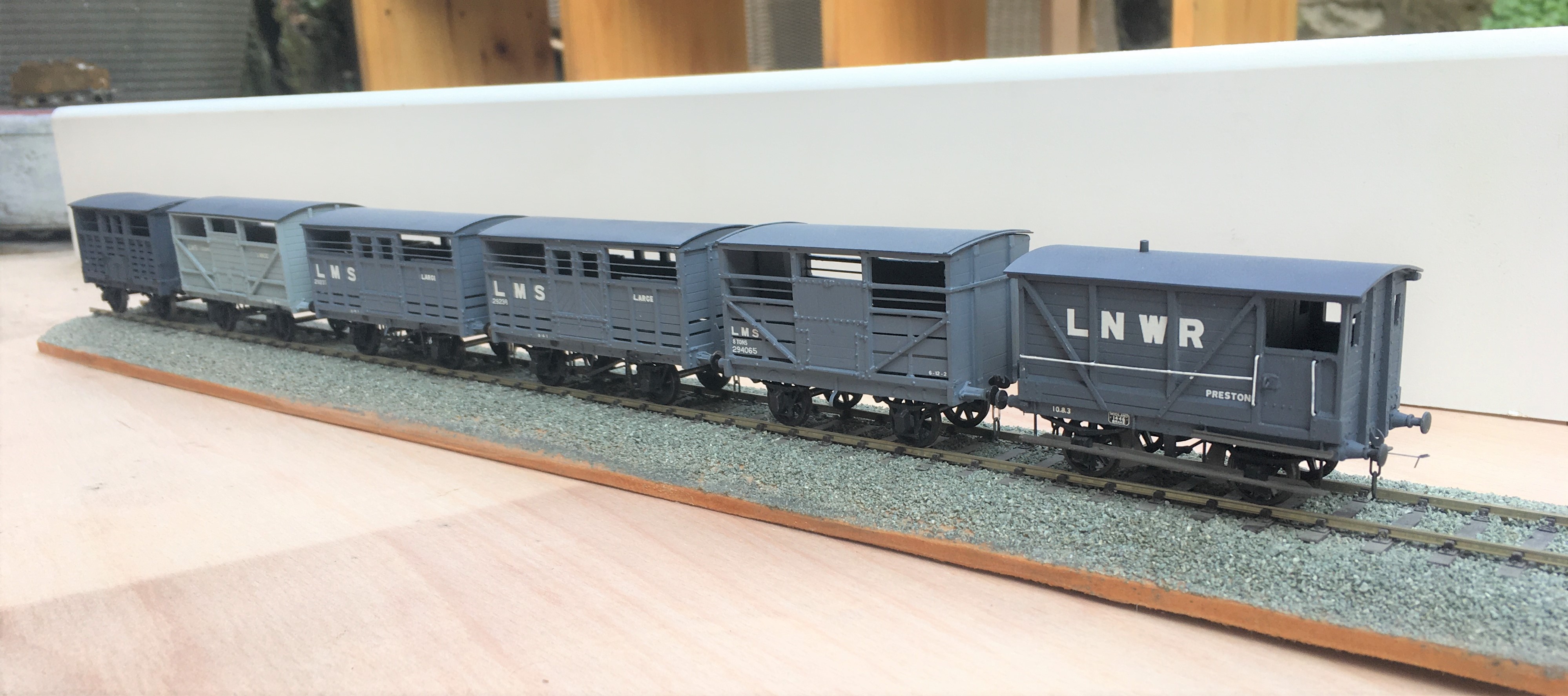
Now all I need is rather a lot of heilen coos to fill them up with. I have been working on this but it seems that resin casting is a tad more difficult than I thought……………..
Oh and yes, they are all way to clean; another weathering sess’ is required guys………..
 highland miscellany