Baseboards coming along……….
Tim and Julian’s business has been doing rather well so far this year, which has meant that they have not had time to accommodate me at their joiners shop and hence baseboard construction has been slow. However, I did manage to get down today and we have got the first four boards quite close to finished.
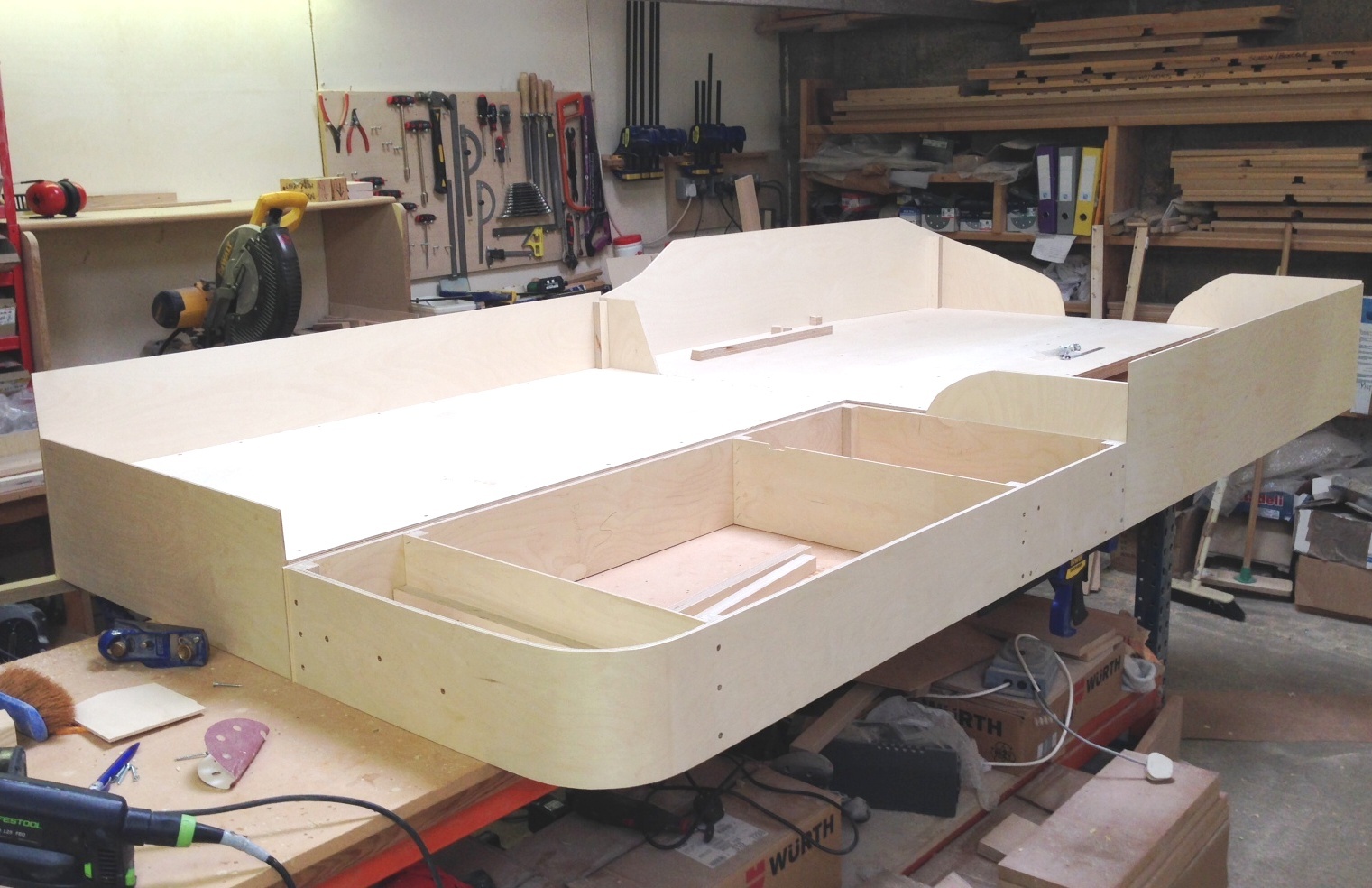
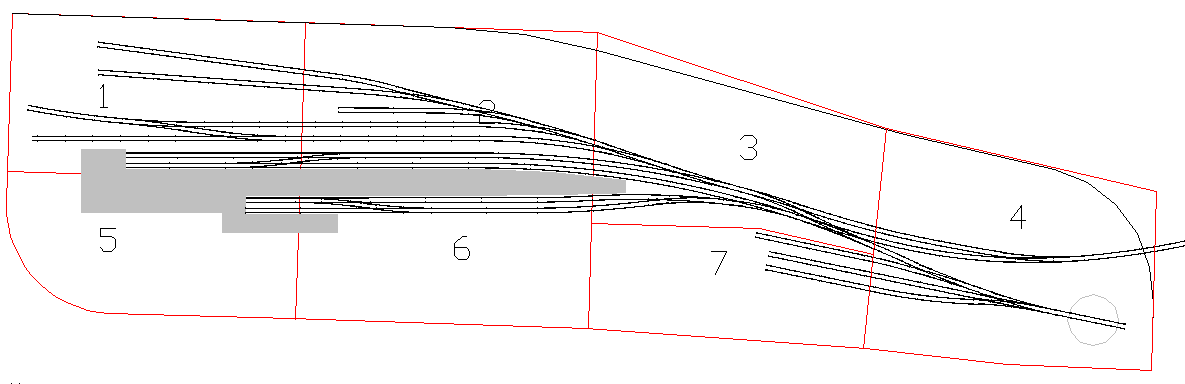
This view will look straight at the train shed, with the bay to the right (it does come onto the nearest board; this is a bit not yet done. The remainder of the platforms be to the right and the goods yard will be behind the trainshed/platforms. If you want to be reminded of the trackplan, it can be found here or here.
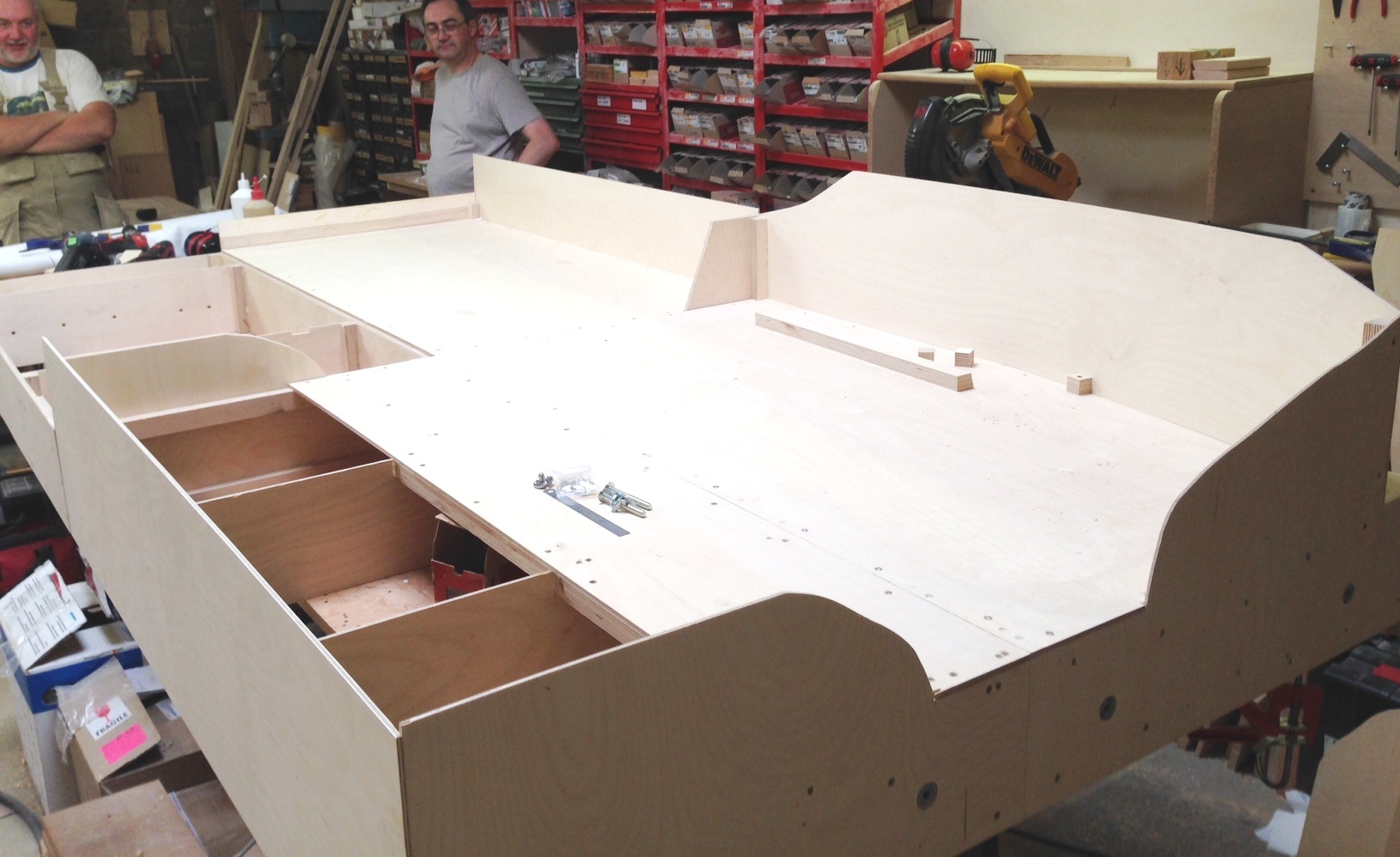
Tim and Julian look on the four boards and give them a comparison for size. The overall depth is 1200m deep and the length of the boards in visible is 2.6m. This view would be from the bridge (see the trackplan links), looking back over the yard and the end of the platforms. The ground will be raised here, but falling away to the left.
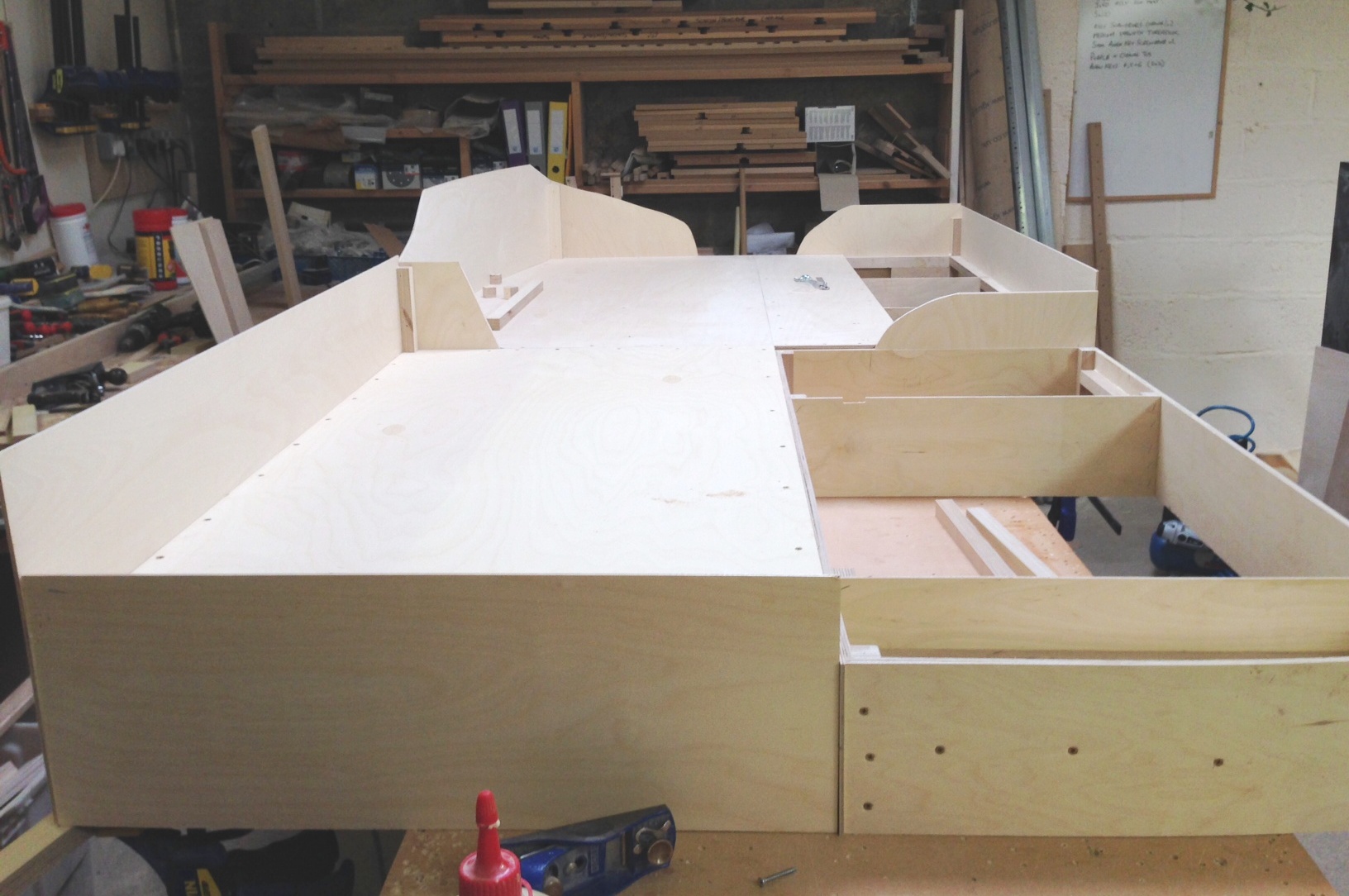
A view from the buffer stops, well it would be but you wouldn’t be able to see them for the end of the trainshed. The ground will slope down substantially to the right and be above rail level to the left.
I hope to get these four boards finished in my next visit and also the beams that they will sit on (and will be attached to the legs already made).
Great Central Model Event
A reprise from Oly and Chris of our trip to the Great Central Railway Model event.
Thanks to them, along with the other Chris, Pete and Mike for their assistance over the weekend!

Things are just about returning to normality here after a brilliant if exhausting 3 days spent in the company of Mark Tatlow and his P4 layout Portchullin.
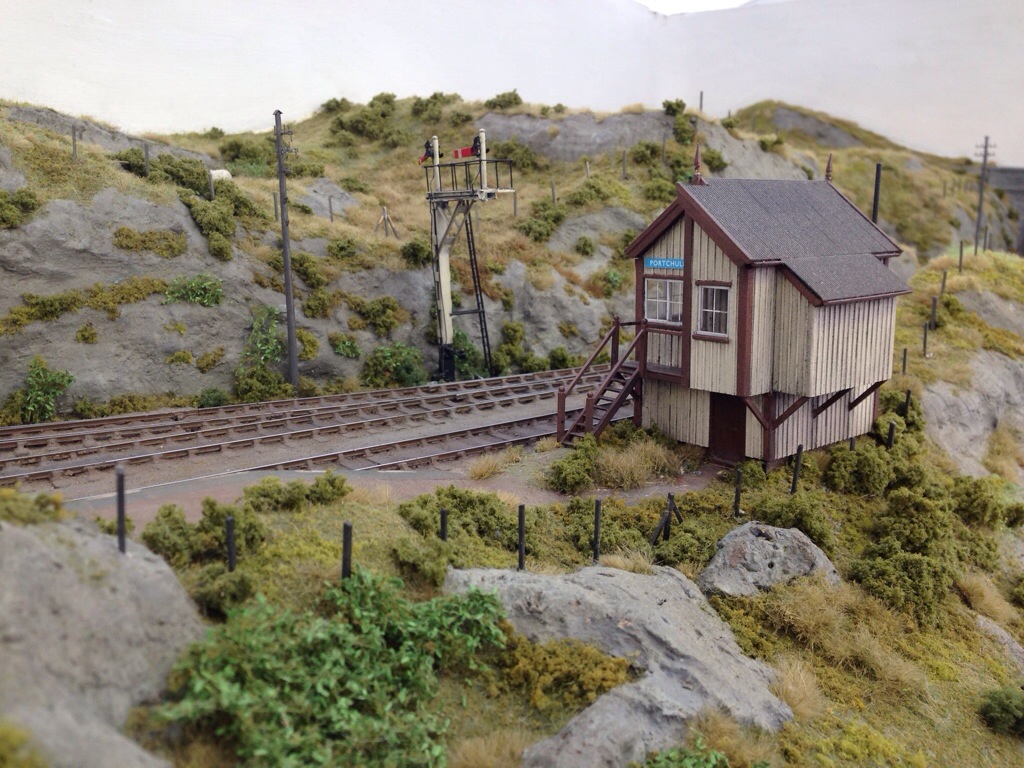
Although we spent much time operating the layout, which captures perfectly the atmosphere of a small passing station on the Kyle line in 1974, enough operators were on hand to allow decent length breaks giving us the opportunity to explore the rest of the show, which took time given it was spread from Leicester North to Loughborough!
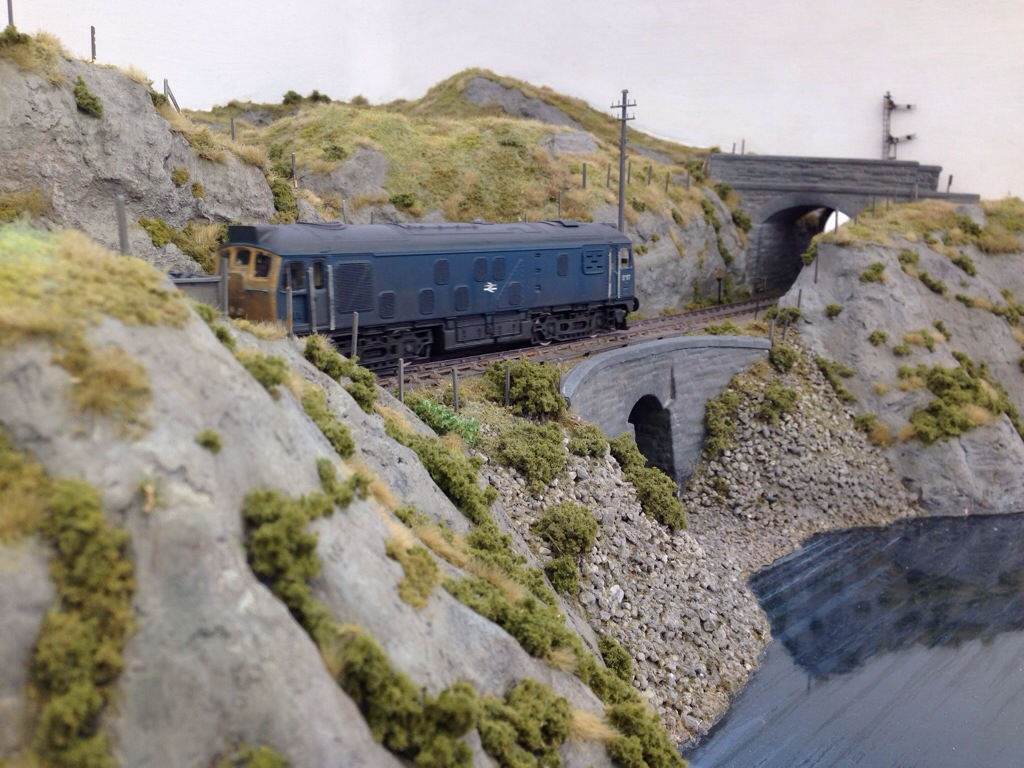
Although we did not get a chance to visit the stands at Rothley and Leicester, Loughborough got a visit where there were a couple of small layouts on display in the waiting rooms, along with a small marquee on the platform housing an LGB and live steam display, which seemed to be going down well with the families. However, as with other shows that feature stands…
View original post 348 more words
Portchullin at the Great Central Railway this Weekend
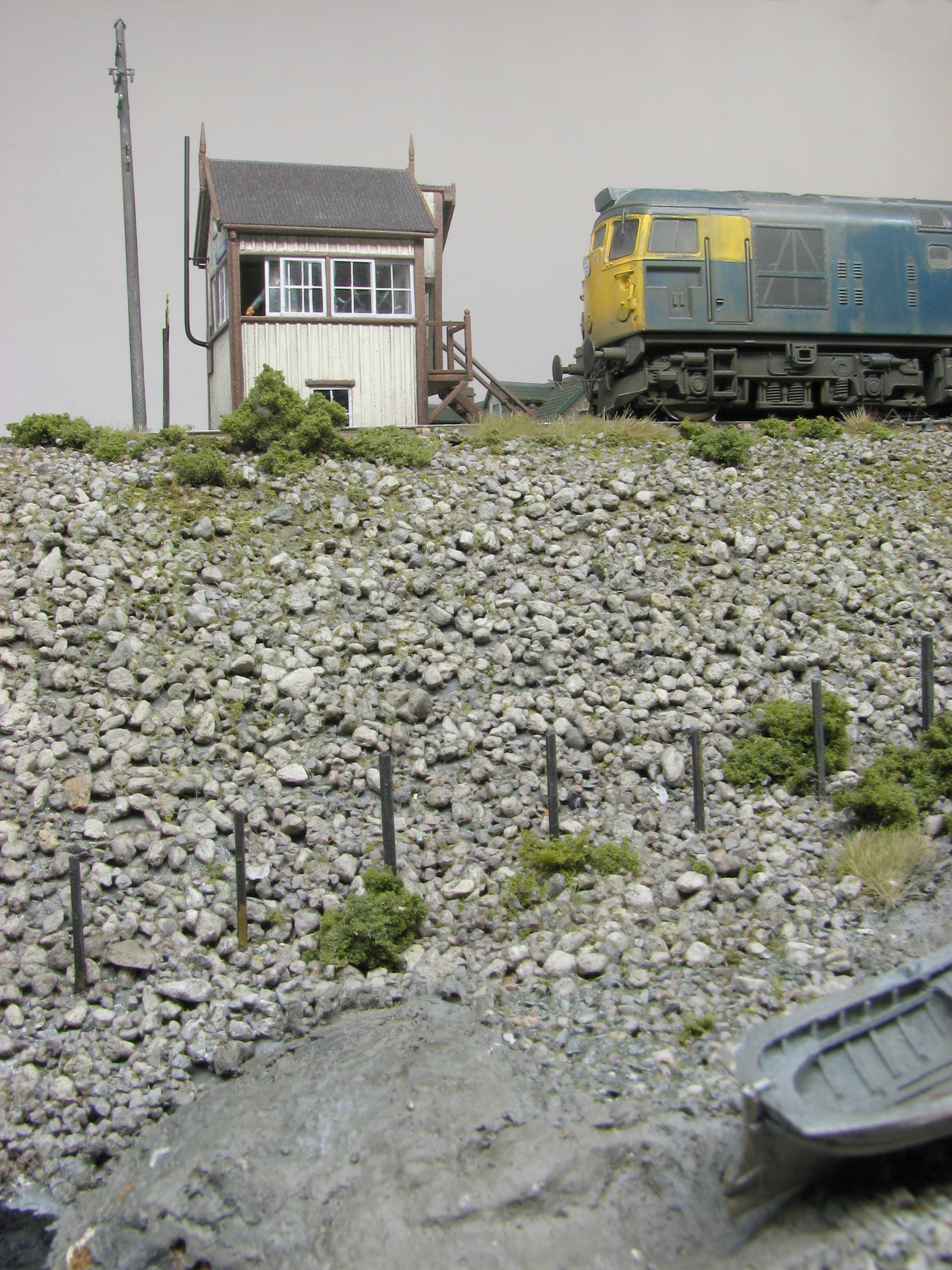
Portchullin’s next outing will be at the Great Central Railway‘s model event on Friday 20 June through to Sunday 22 June.
I have been looking over the stock and we should be up to around 7 trains, which is close to an all time record! Might even break out one or two unusual ones, even if they do still need some detailing work on them.
Whilst we have seen these pictures before, they are worth showing again……….

A new website for Miscellany Models
I will be making at least some of the items that I have been developing available for sale.
Therefore, I have set up a separate website entitled Miscellany Models that shows what is available, how to get them and (when I get some time to do it) will become a repository for prototype information that I have on the items I have made, construction/finished photographs and instructions.
You can find this website here. If you look hard, you will see some hints as to what other things I have been working on and are expected to be made available in due course.
Progress on Benfieldside’s Signals
Back in February (where does the time go?) I put some pictures up of some signals I was restoring for Benfieldside.
Matters have progressed; although I did find that one signal was beyond repair and both of the remaining needed quite a liot of work to do to them as all of the landings, ladders and in some cases balance arms/finials had dissappeared over time. They are not quite finished, as the final painting, weathering and installation of the spectacle plate glass is still to be done. However, this is what they look like:
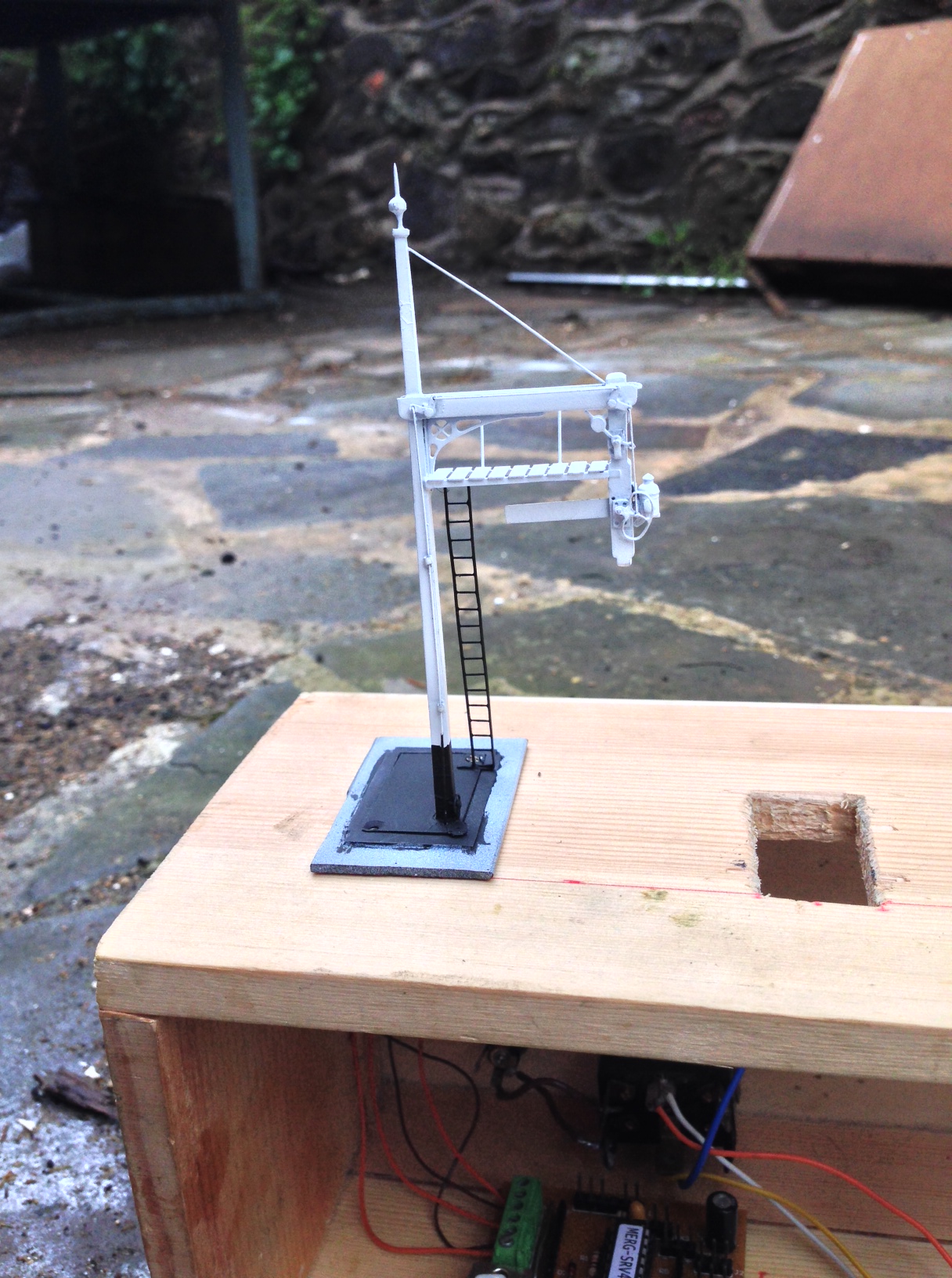
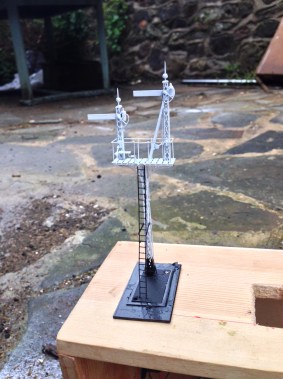
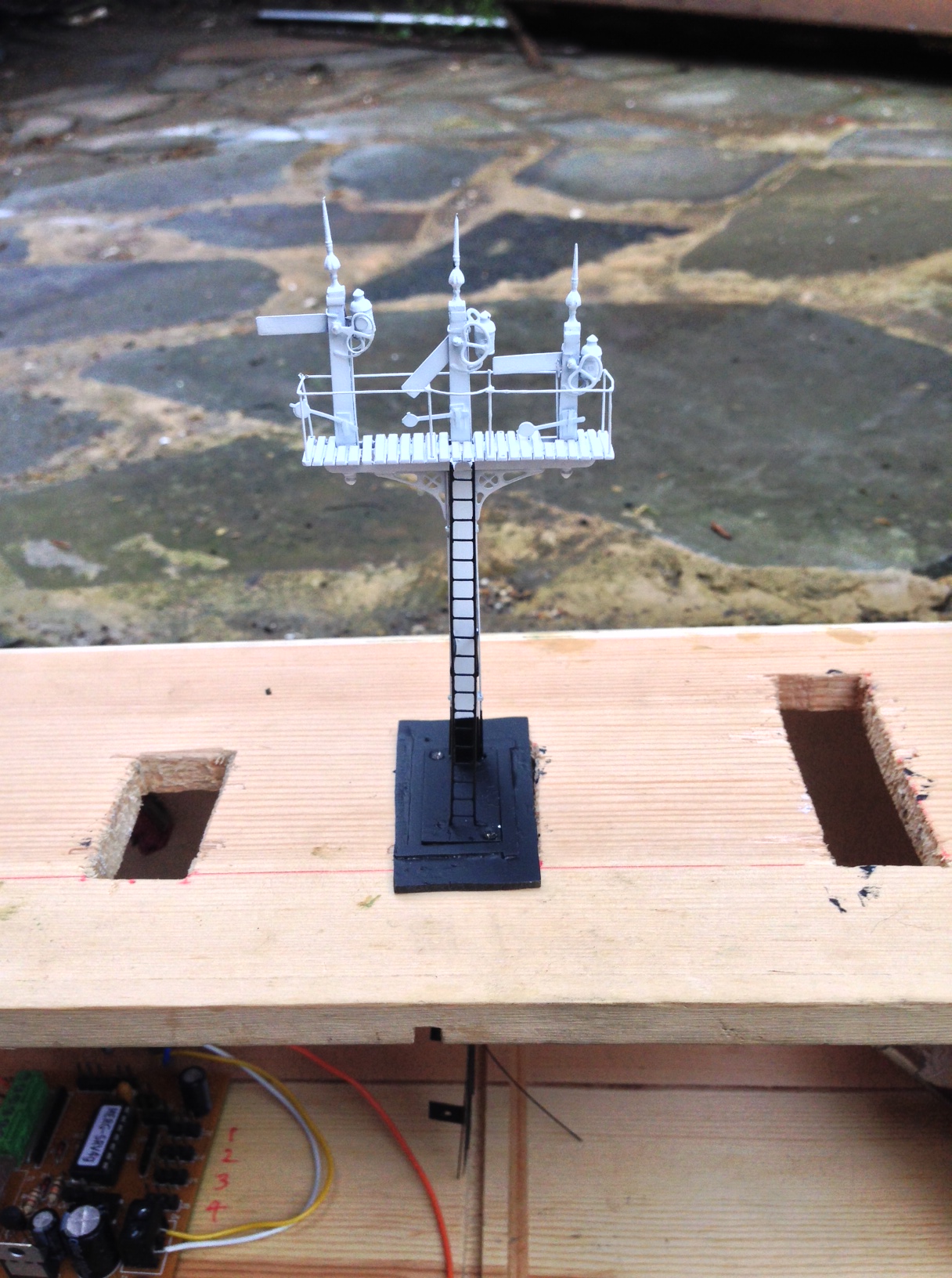
In addition to the three signals to be restored, I have a number of others which were missing altogether. Here is the first of them:
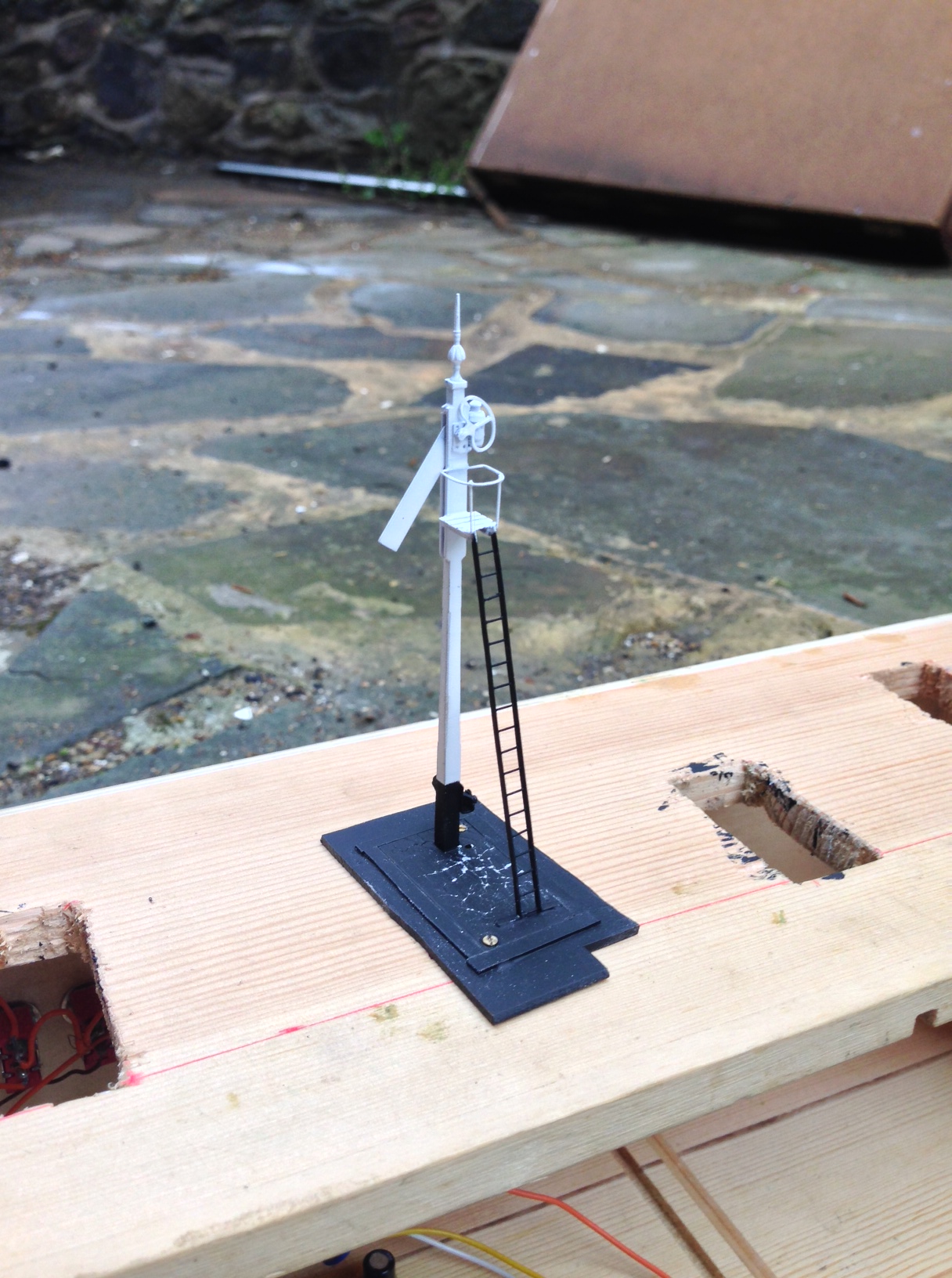
Last train to Castle Rackrent?
Last week I was able to visit Richard Chown’s house to have a play with Castle Rackrent at one of his operating sessions.
Castle Rackrent is both an individual layout and also a system; comprising a total of five stations, a harbour and a couple of fiddle yards. It is based on Irish practise, so is all hand built to 5’3″ gauge. Given that the layout is 7mm/1ft, it is pretty substantial and wraps around Richard’s basement a couple of times. This creates the situation where it is somewhat of a challenge to know what is going on in any other location on the system – this does not matter as the stations communicate with each other via bell codes (well, only one adjacent station in our case due to a fault, so we adopted a version of the telegraph system known as shouting!).
It is fair to say, even with this and possibly due to some inexperience on my part, things still get chaotic. We ended up with four of the six possible trains at our station at one point. The normal controller Mr Summers was not in attendance fortunately, otherwise I sense some firm words might have been had………… It was all good fun though and is not really a basis of operation I have experienced before, even though of course all it does is mimic the real thing.
Here are a few photographs; starting with the terminus and original station on the line, Castle Rackrent:
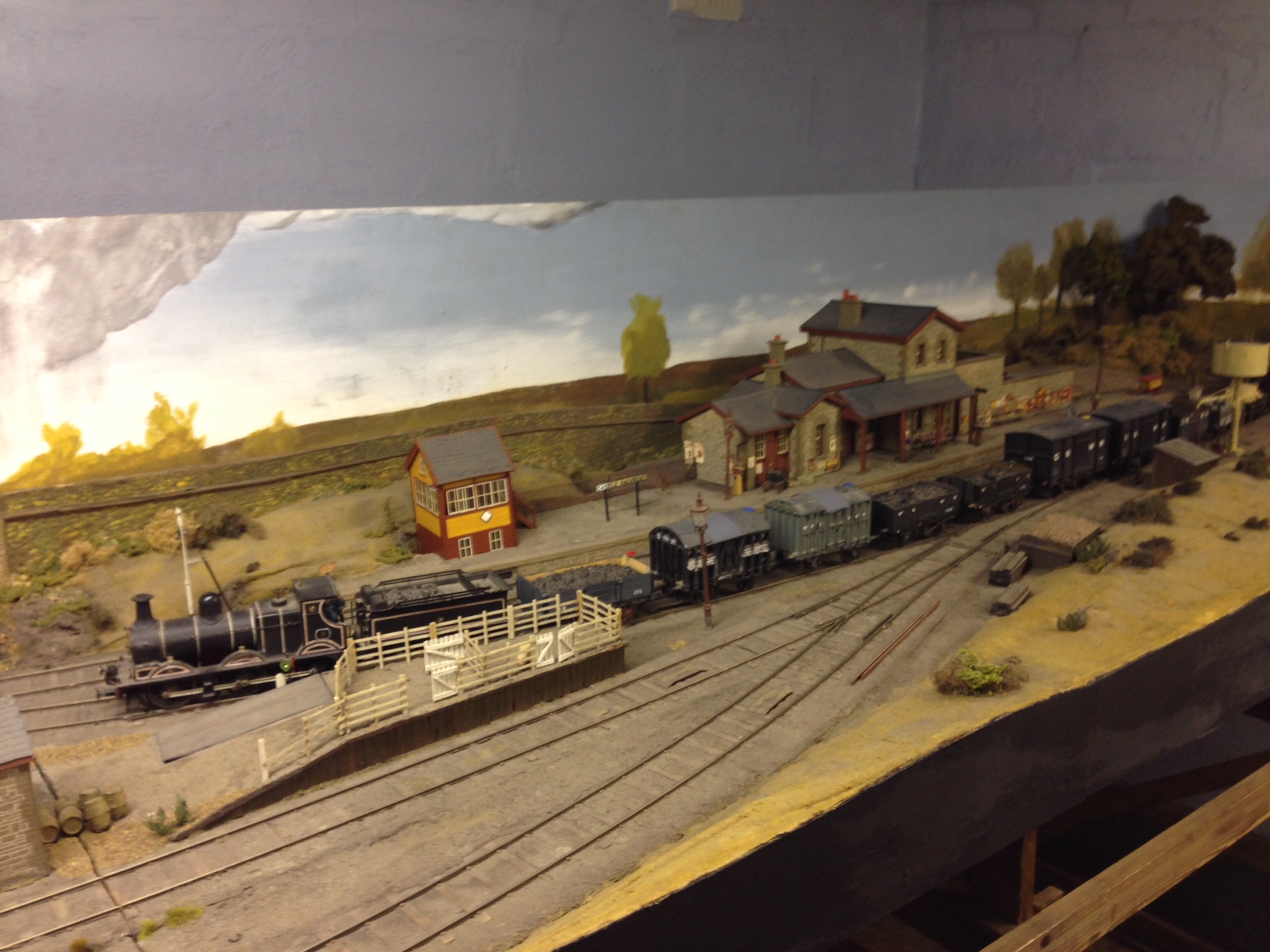
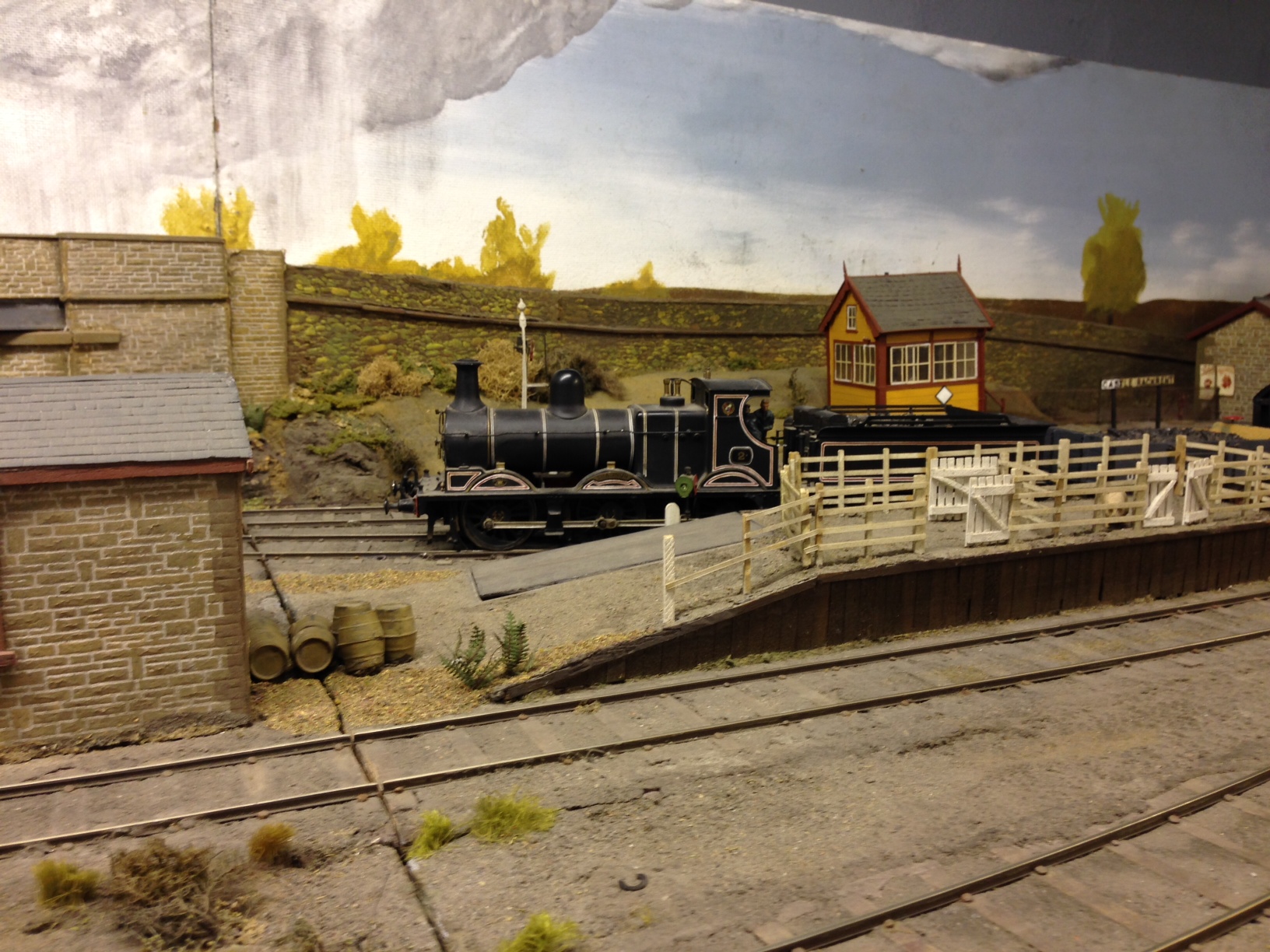
I spent my time (mostly successfully directed by Ian) at Moygraney, so here are rather more pictures of this station:
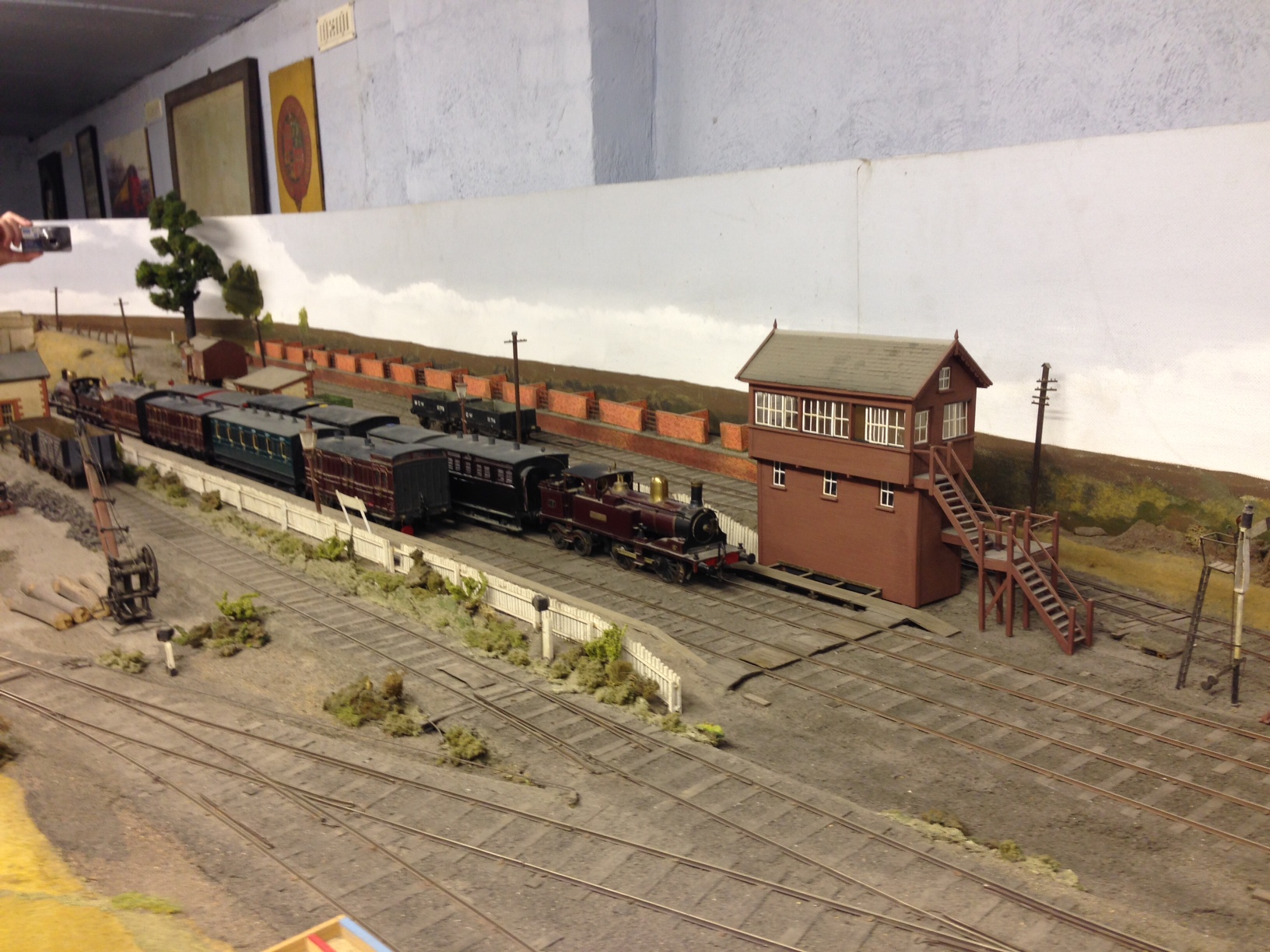
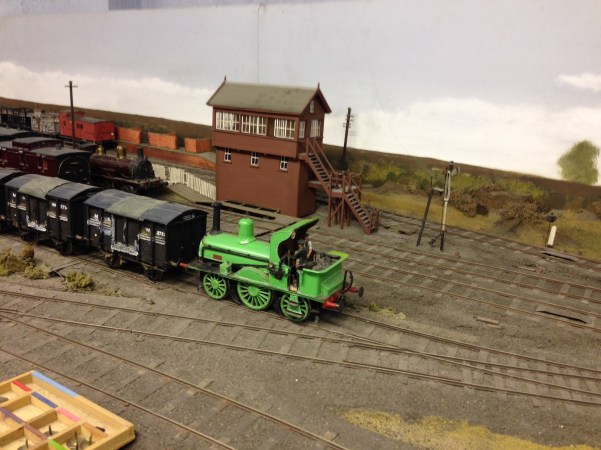
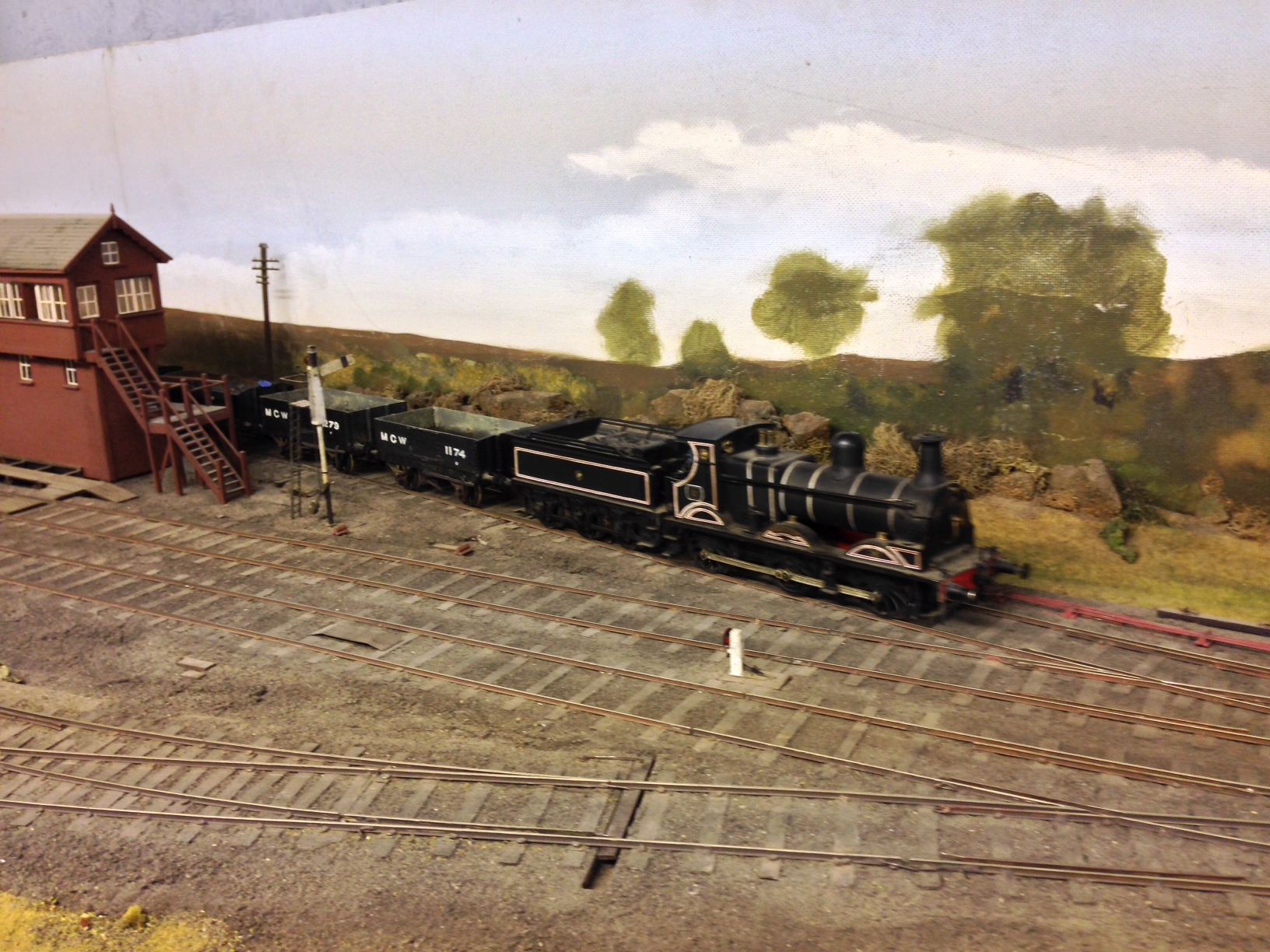
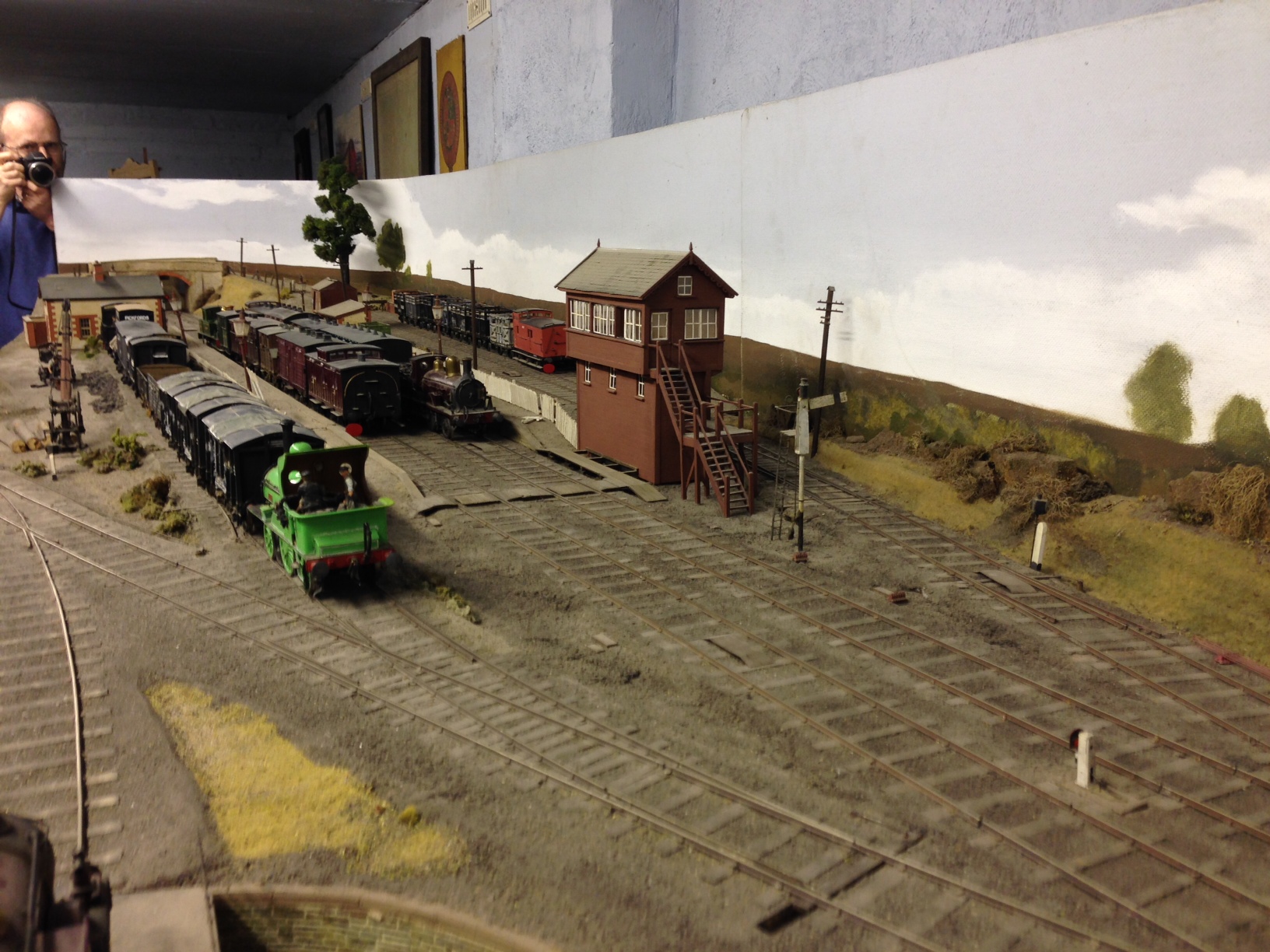
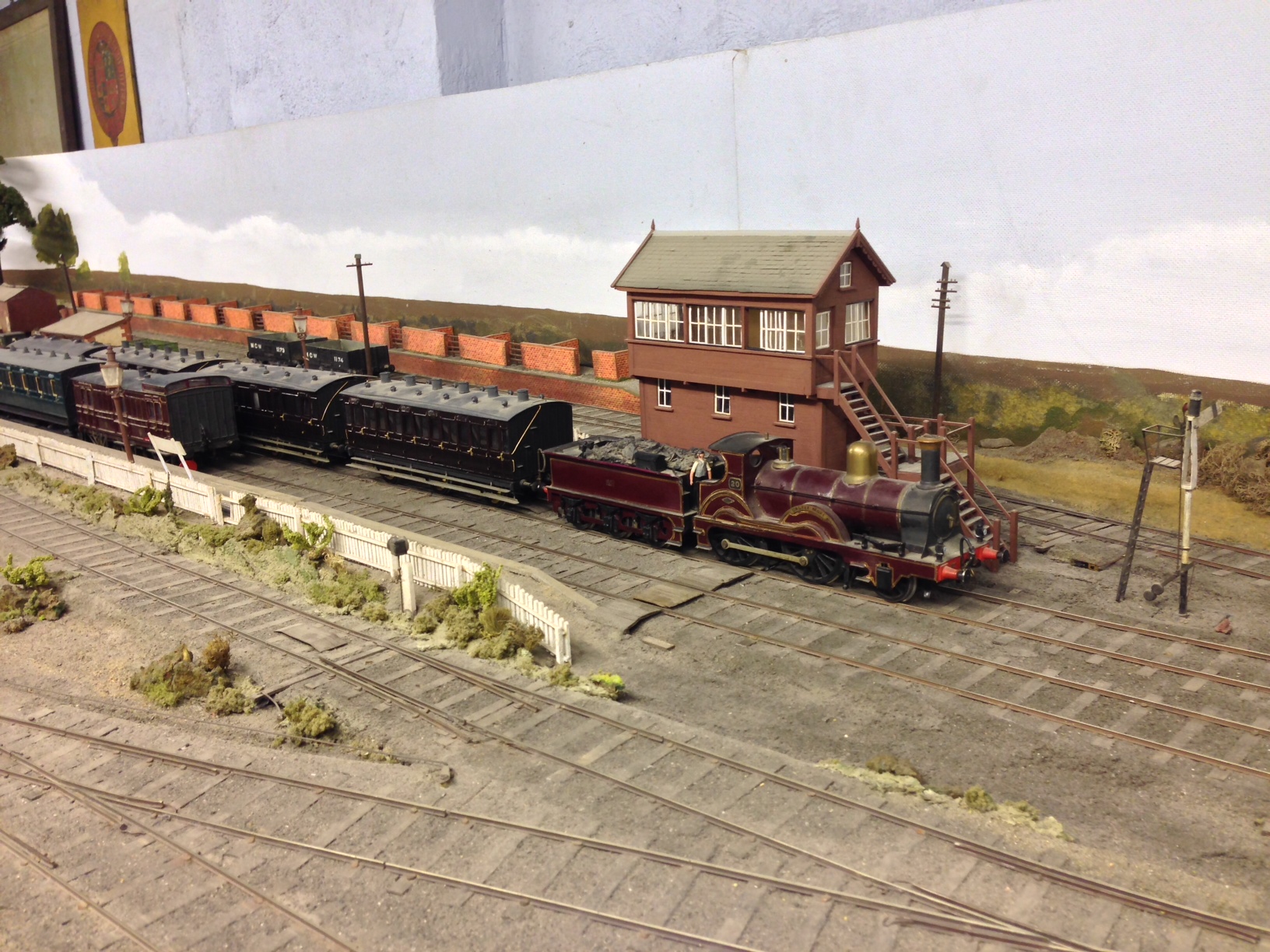
Immediately next to us was Mount Juliet Town):
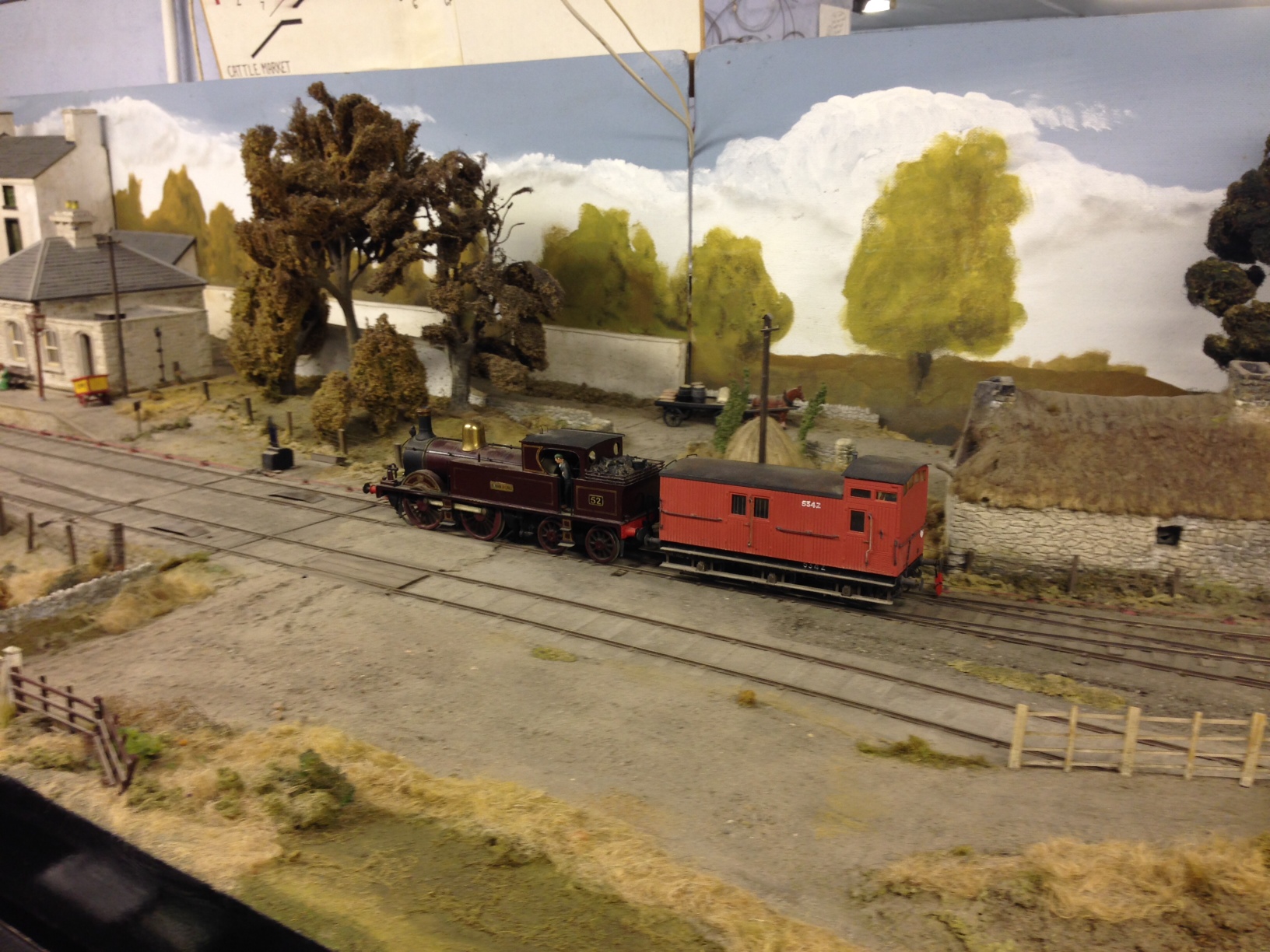
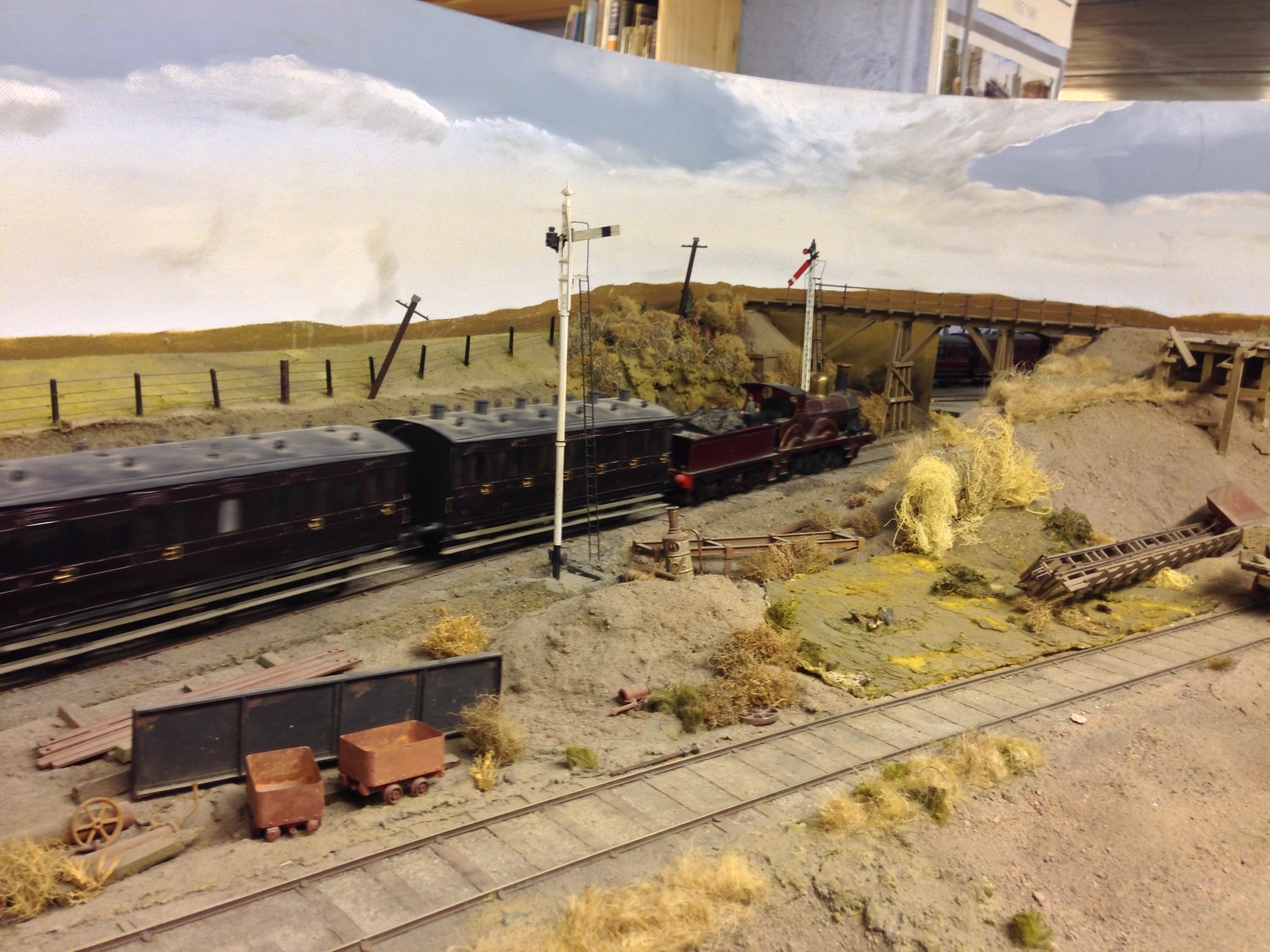
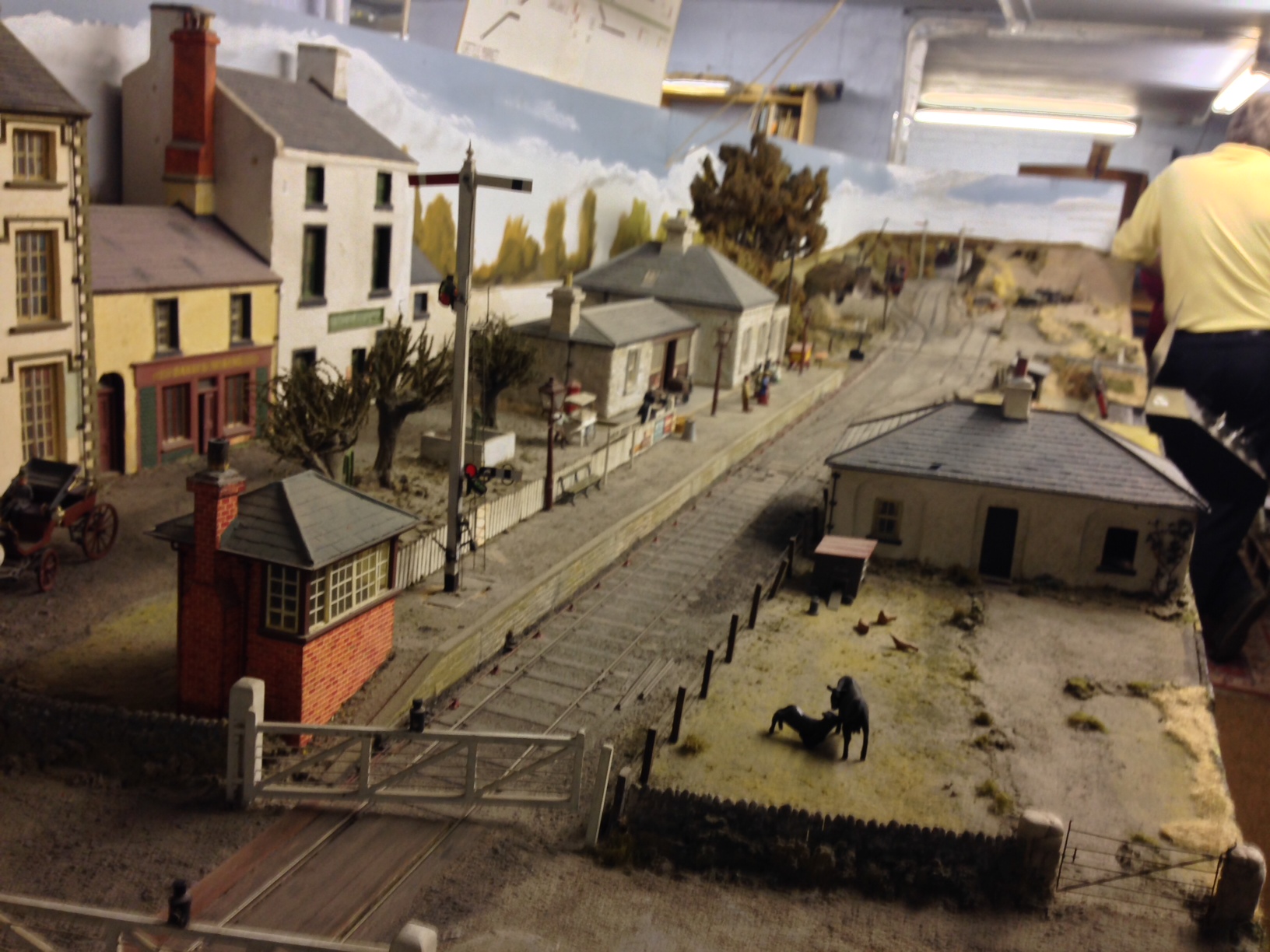
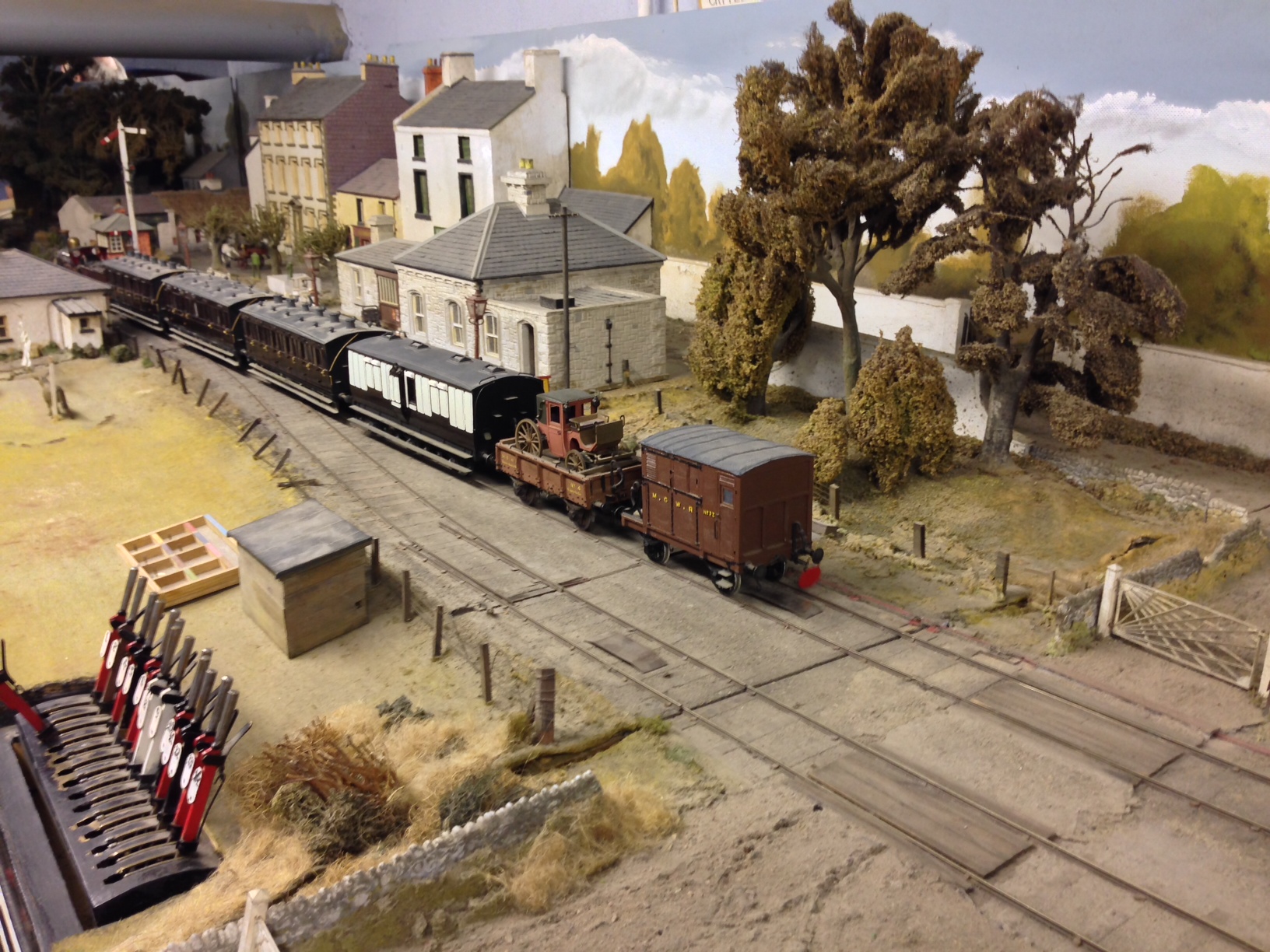
It is worth noting the red tag on the rear of the brake van in the final picture above. This is a form of tail light and one of the jobs of the signalman at each station is to check that the full train is there by checking that each train has a tail light. The eagle eyed might also note a few coloured discs on the top of the wagons – these are a form of wagon label; each colour describing the station that the wagon is to be detached at. It all adds to the the challenge of working the line.
The final two stations I have pictures of are Salruck Junction and Lisgoole:
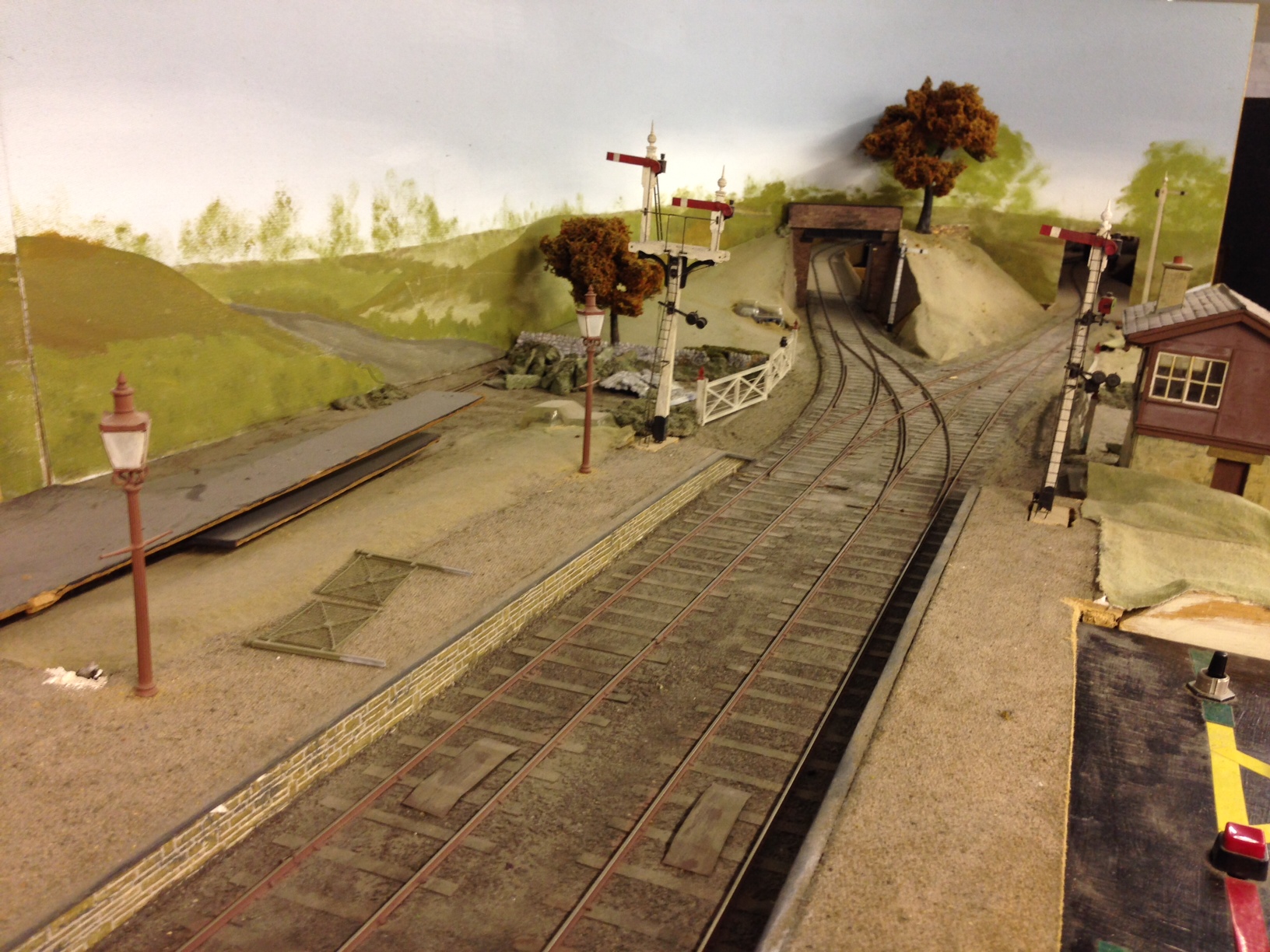
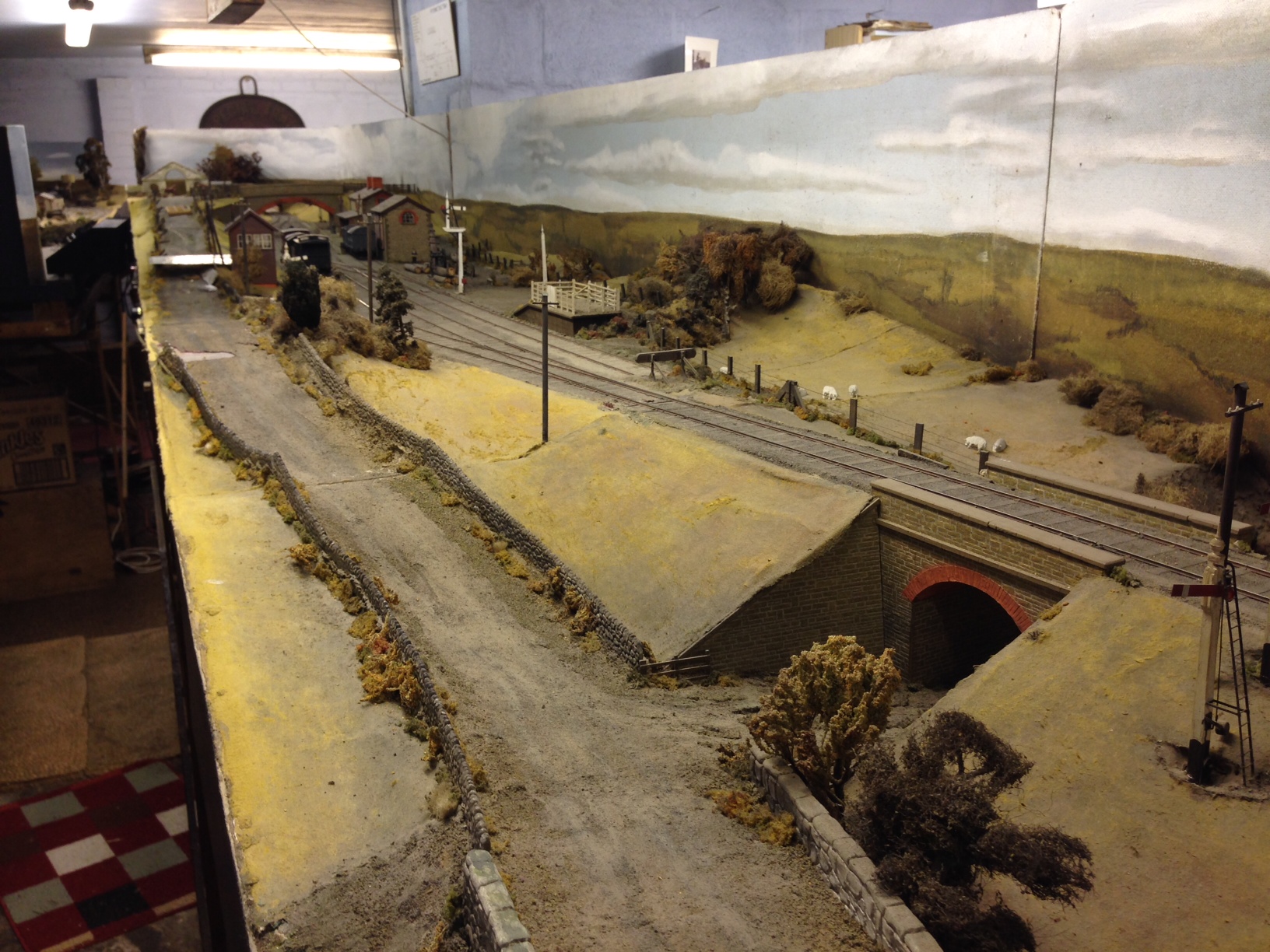
And the reason for the title of this post?
Fortunately, this was not the last train to Castle Rackrent; which will no doubt please the show manager of the Perth show (where the layout will appear in June 14) but it is the last to Castle Rackrent in its present form. Richard has in mind changing the arrangement of the layout and introducing another station. So it was still a historical evening.
Baseboard Supports
I have been putting more work into the baseboard supports this weekend.
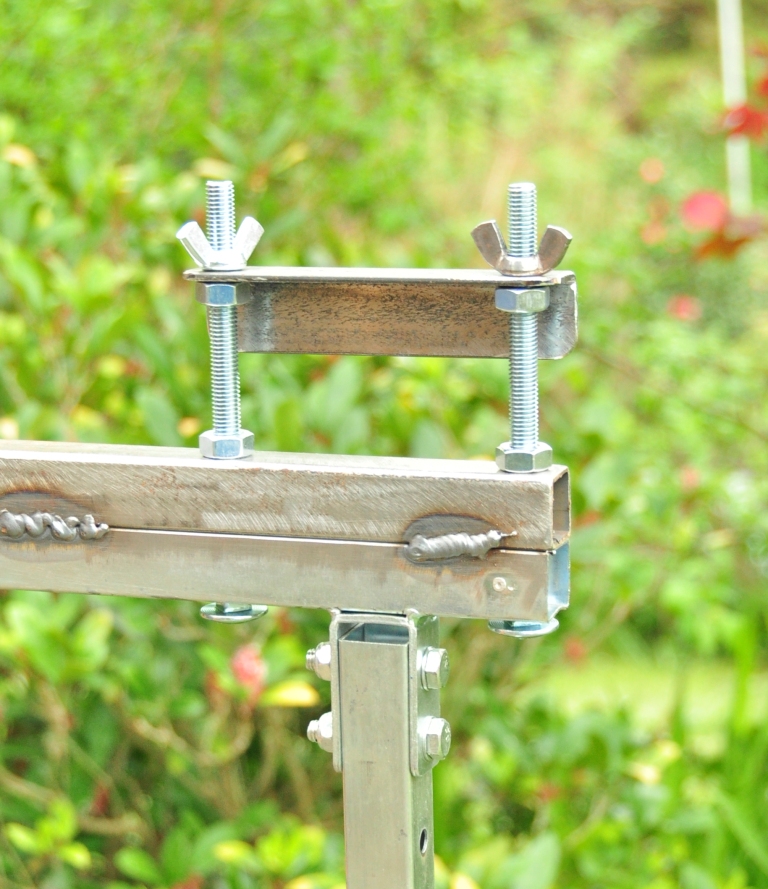
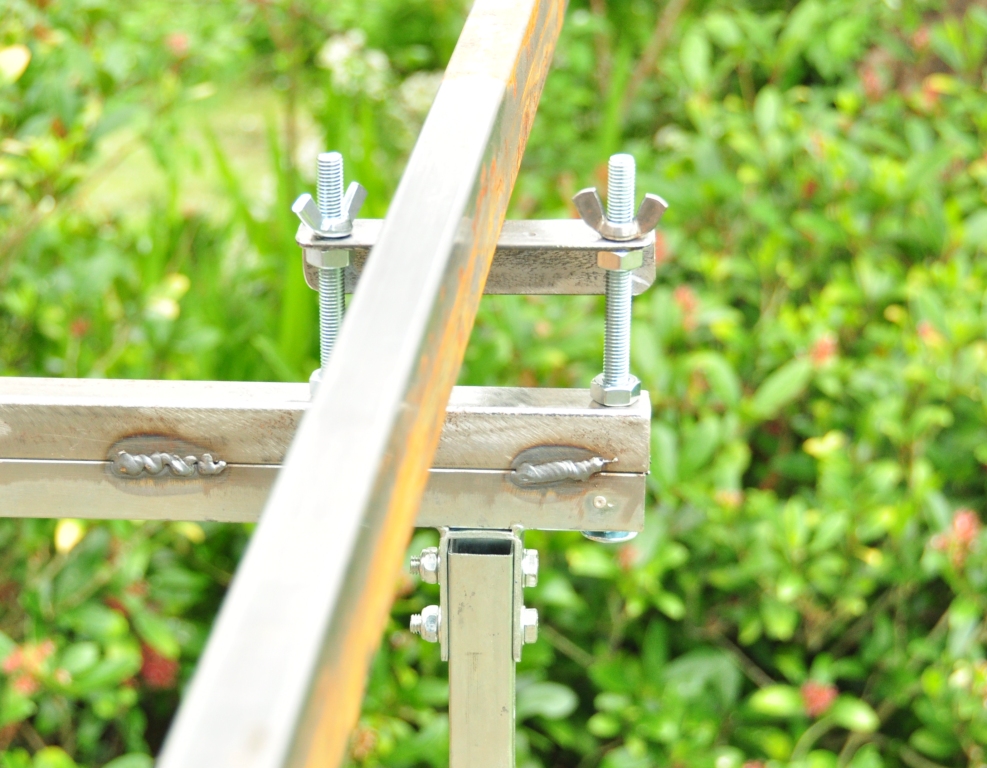
Rather than to go for adjustable feet, I have elected to make the junction between the beams and the trestles adjustable. This was formed fairly simply by utilising a pair of bolts that are permanently secured to the trestles and then clamp a plate between a pair of nuts. This plate will then be fixed to the underside of the beams.
Simple enough idea, but I went for M10 bolts because I wanted to be sure they did not get bent or broken as these components are moved around. This meant that there was a lot of drilling and cutting to do – so much so that I broke three drills (two of which were 10mm so fairly chunky) and melted my Black & Decker! Not quite such a cheap solution as I had in mind but this is what was created:
More on my casting and etching
We haven’t had an update on the etching and mastering that I have been doing for the signals for a while.
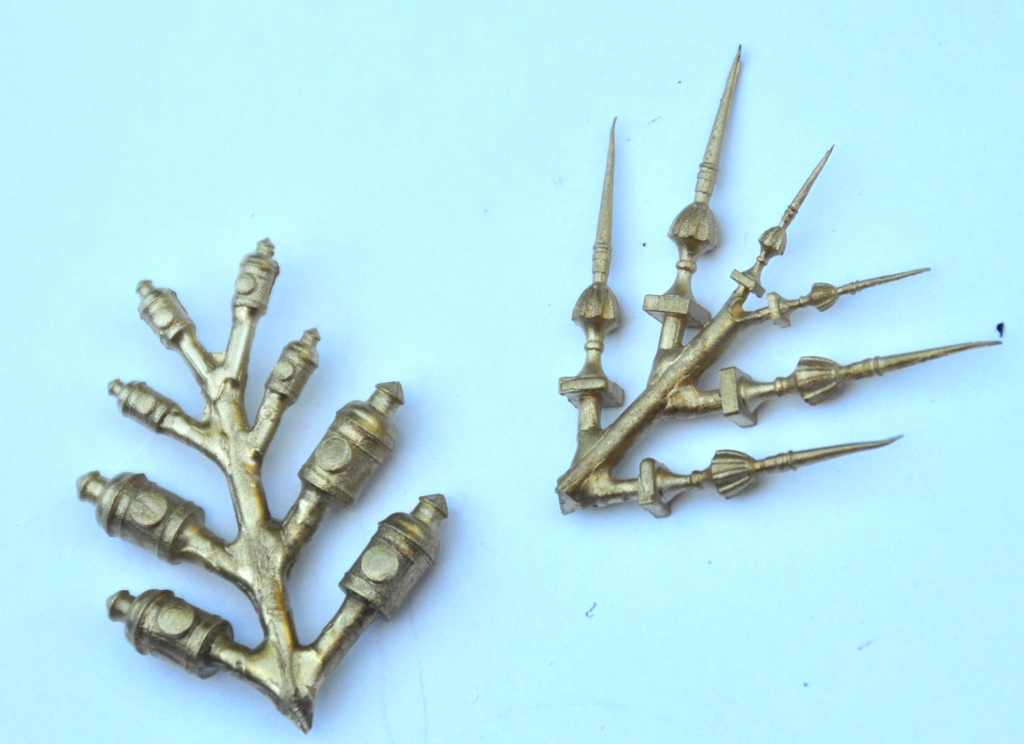
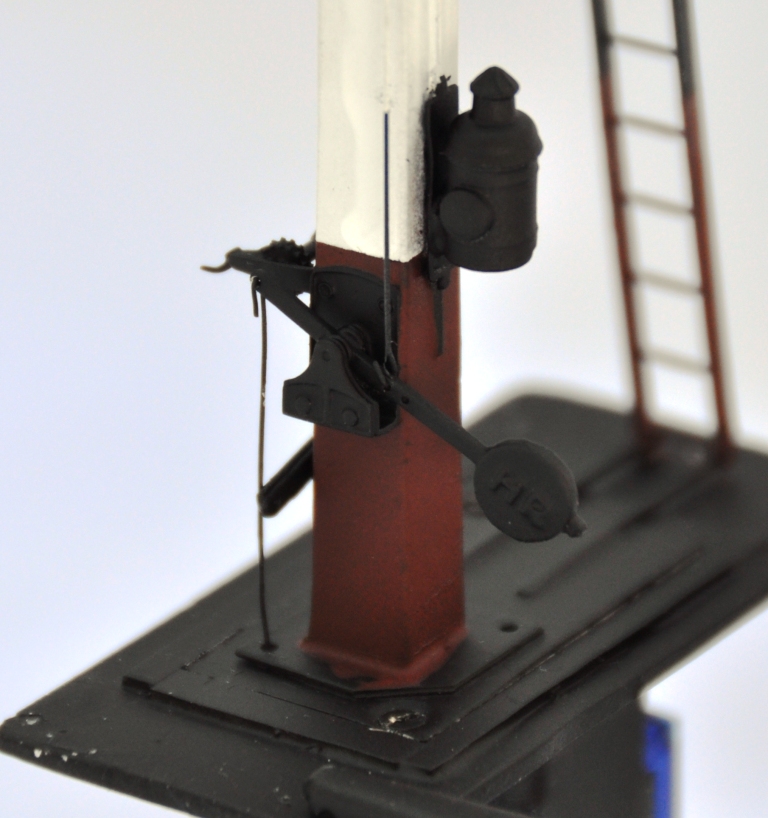
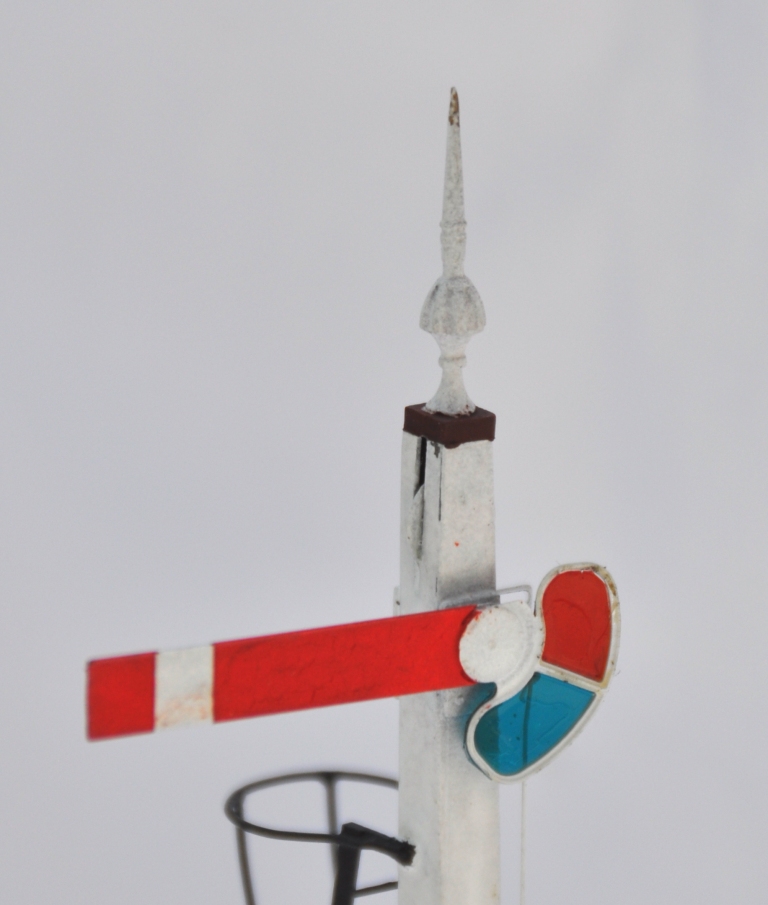
Well, I have had both the rapid-prototype masters and etching in. Using the former, I have also had my first set of lost wax casting done – in this case for the lamps and finials. This is what they look like – which I think is pretty good and a lot better than the white metal ones from MSE.
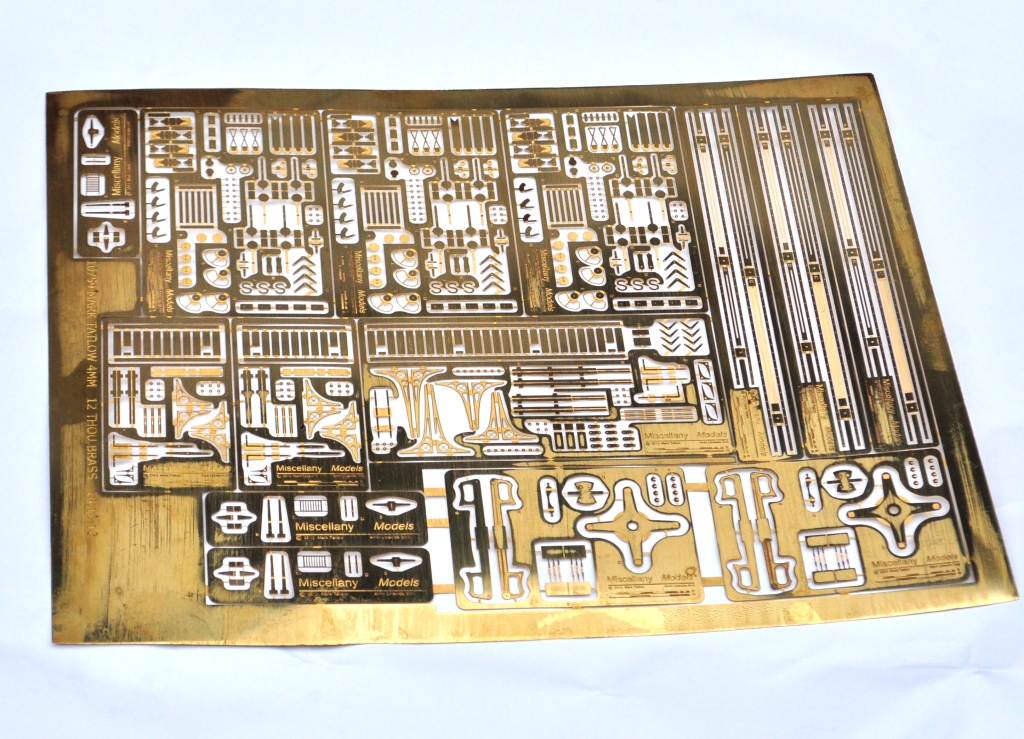
and the etching looks like this – brackets, arms, ladders and a few other bits and pieces.
So it was time to make a signal – in this case a fairly simple single arm Highland signal. So using a post from Lochgorm and then my parts for the arms, spectacle plates, windlass, balance levers, ladders, finials and lamp, this is what it has come out like:


and the castings close up looked like this.
So all in all, I am pretty chuffed!
It does mean that I think there is some more signal building to come on these pages……….
Portchullin on Tour
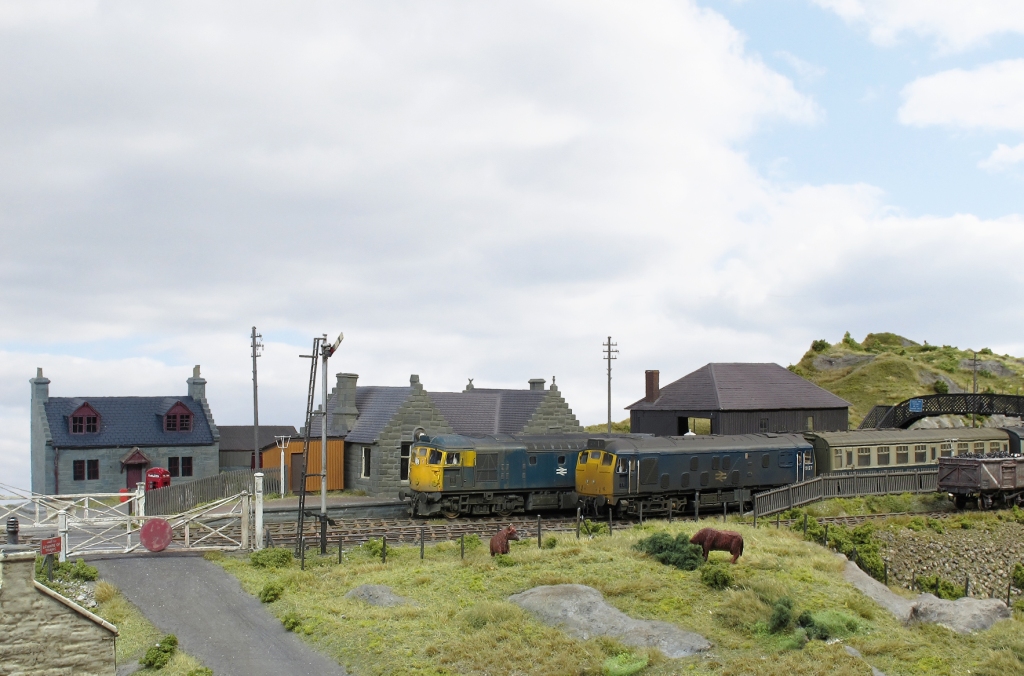
Portchullin will shortly be going on tour with a double header exhibition.
This weekend, 12 & 13 April, we will be at Trainwest – http://www.trainwest.org.uk/
……and the forthcoming weekend we will be at York – http://www.yorkshow.org.uk/
I have been fettling the layout over the last weekend and sorted out the couple of issues that it had – a burnt out turnout motor and a melted servo control unit. I am hoping to have at least one additional item of stock (a DMU for specials) and one other for York (a further close 26).
Stop by and say hello if you are going to these show.
Photo with thanks to Andy York
More Baseboards and A Peek at Benfieldside
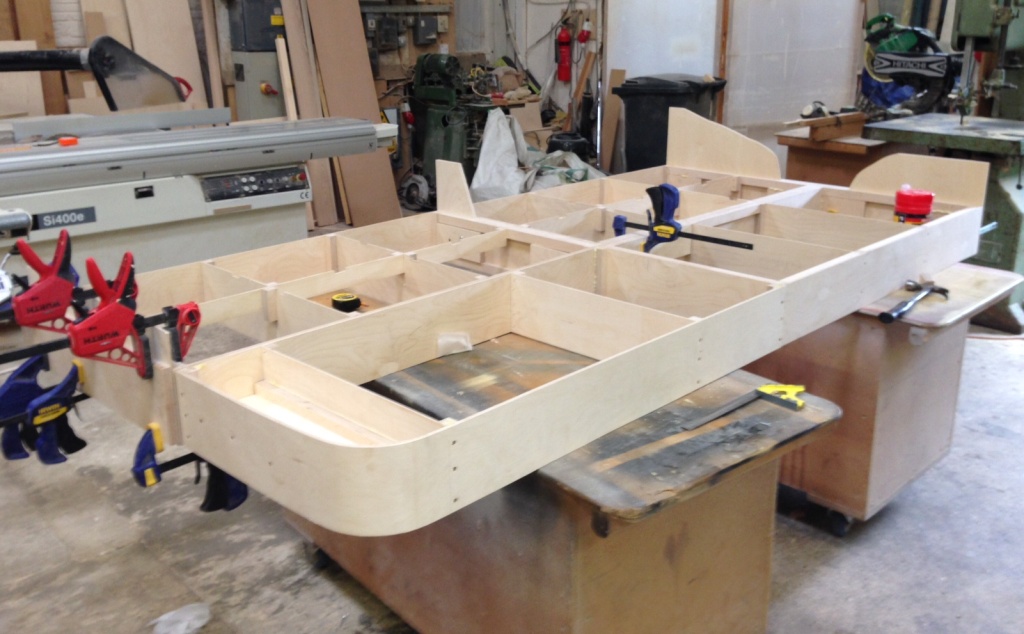
I managed to get most of another day done on the baseboards at Tim & Julian’s workshops. The bulk of the first four are now done; although the decks are still to be put on these. A slightly fuzzy picture to show the progress is below:
In addition to this, I had a look at their layout Benfieldside. As noted in past posts, they have recently acquired this from John James, who was the custodian of it for some years. Its original building was John Wright.
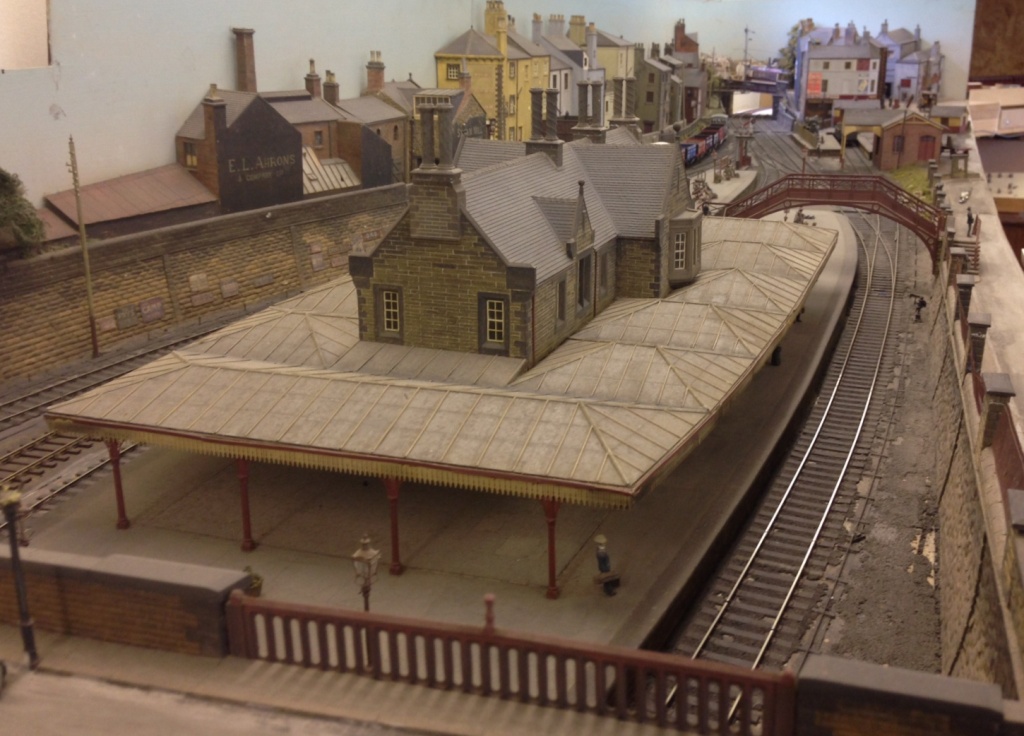
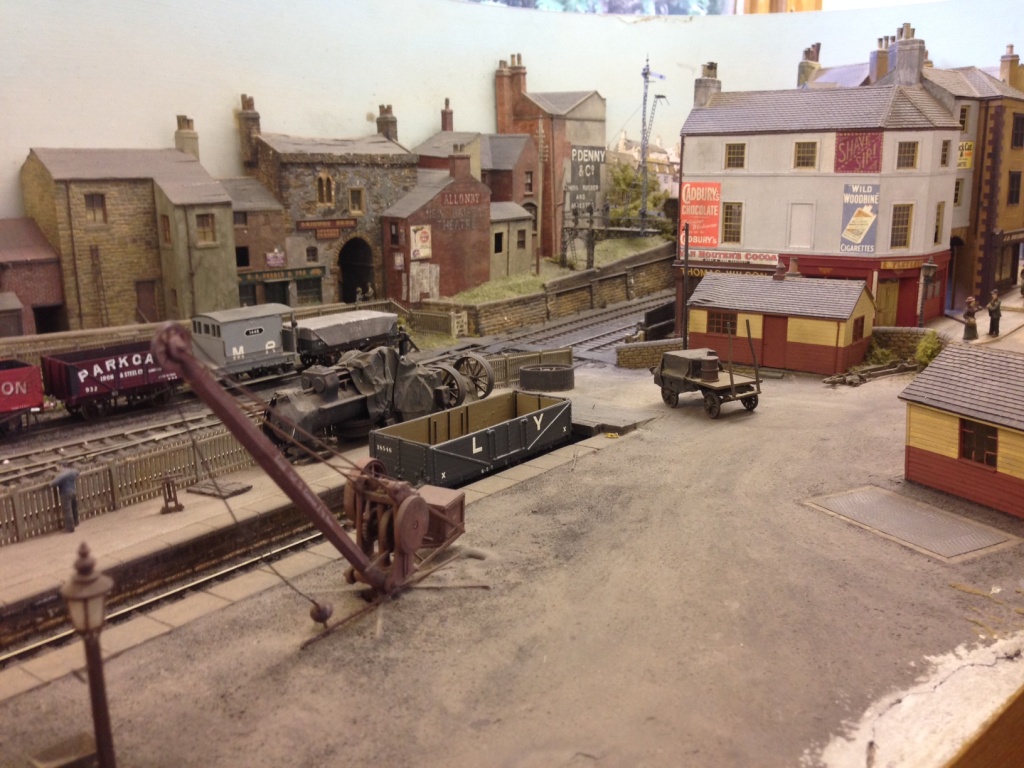
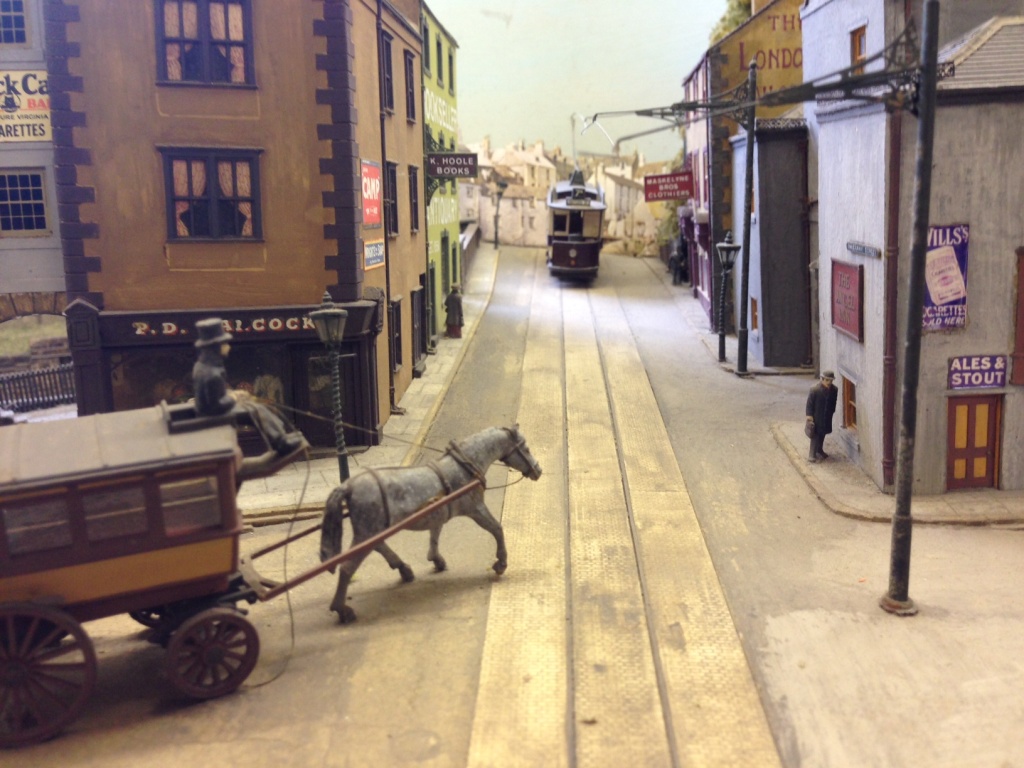
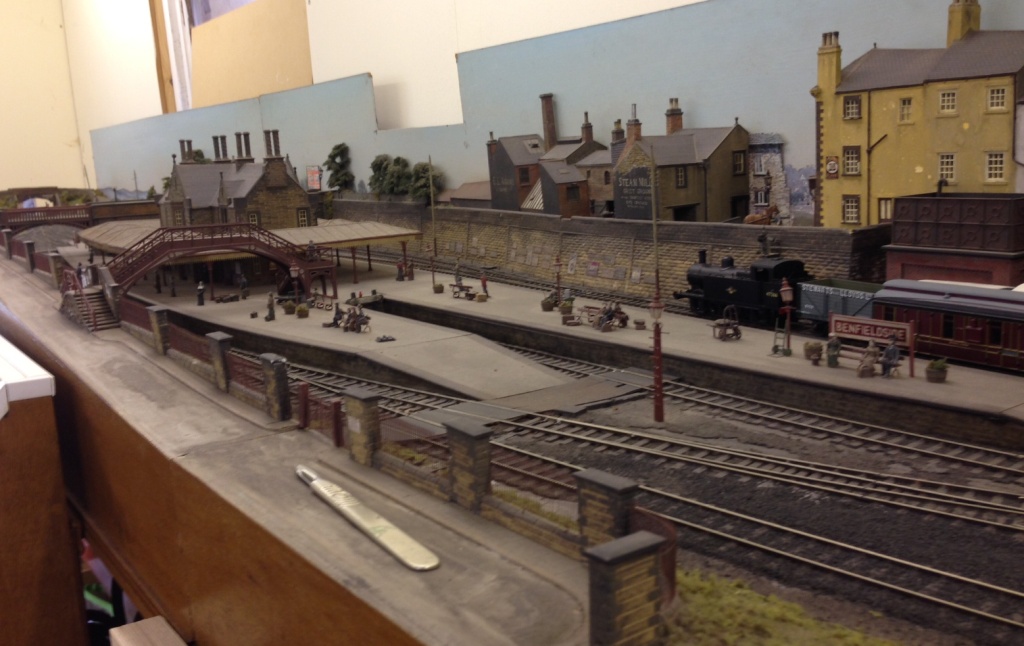
A great layout; I think anyway!
I have managed to restore the first two signals – well entirely rebuild one! I will post some pictures in the next few days with a bit of luck.
 highland miscellany