Blog Archives

2P or not 2P, that is still the question
Having got the drivers going smoothly, it was time to build a bogie. Rather than use the Comet bogie, I elected to use one of the fairly new Rumney Models’ LMS bogies. In addition to being sprung, these are more detailed than the Comet equivalents – an hey, I just wanted to give them a try!
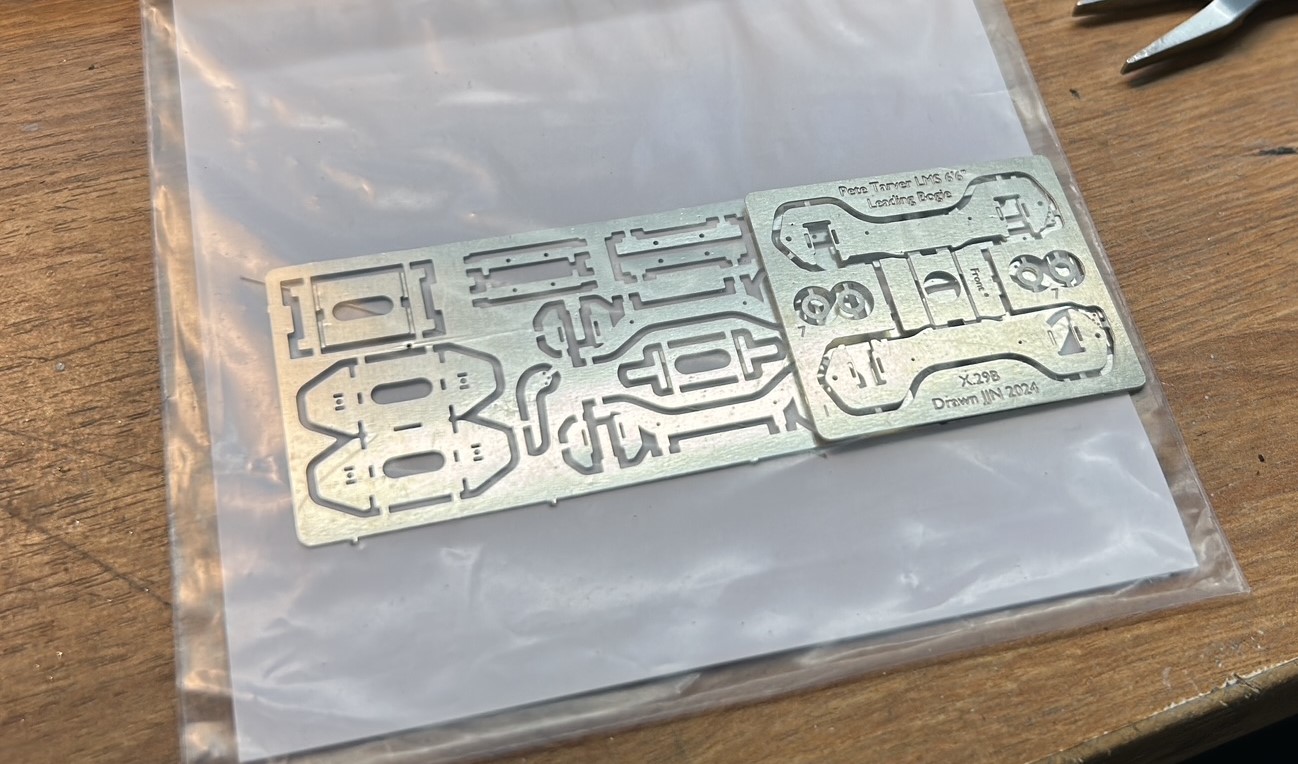
The basic concept of the bogie is that there is an inner frame that has hornblocks designed into the etches. These are designed to receive High-Level hornblocks and then in turn the wheels. The sides of the hornguides are formed with the etch visible below; with the base piece subsequently filed away. One thing I did find was that they tended to build a little tight. In building a subsequent bogie, I fitted these with the hornblock in place to make sure that they are sufficiently wide to slide smoothly. However, before doing so, I gave the hornblock a dab of Vasoline, to make sure solder did not gum it up.
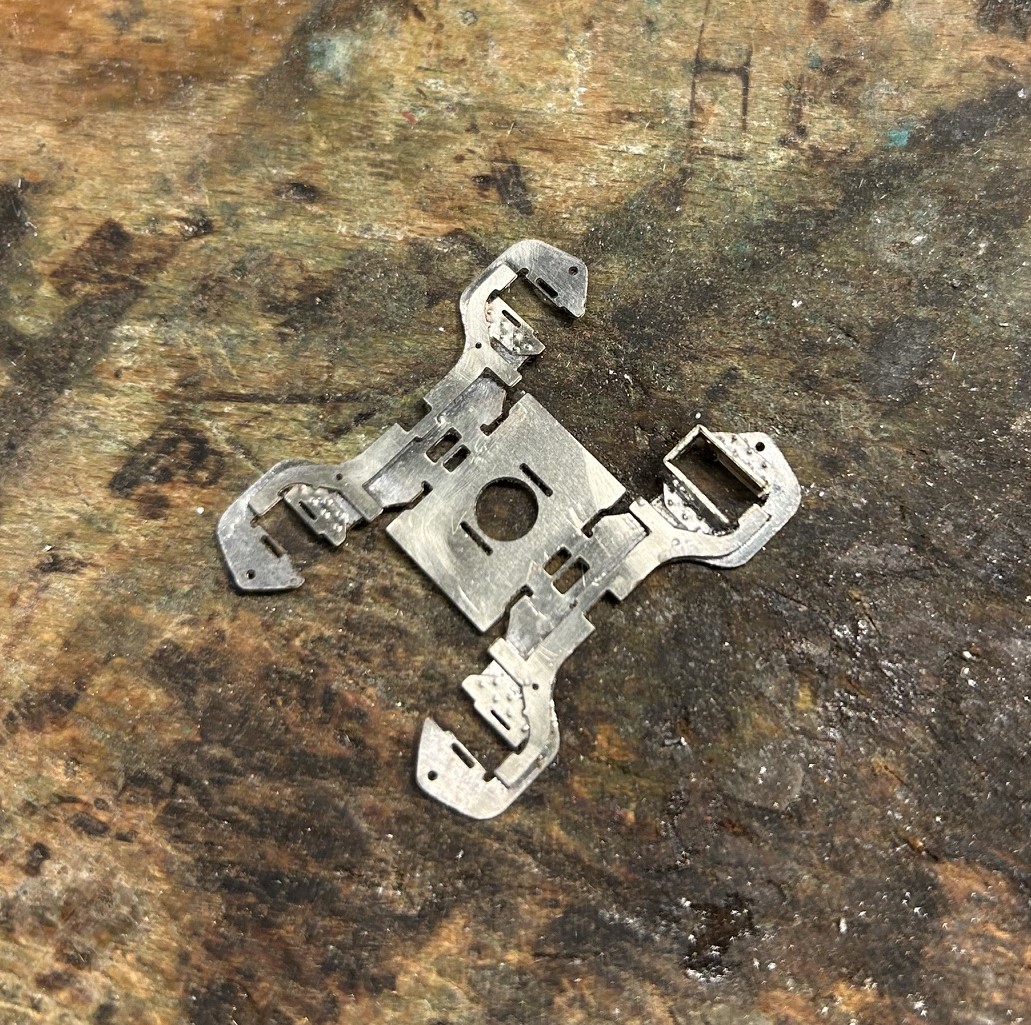
Sprining by way of an outer section that bears onto the top of the hornblocks. These are controlled by way of a guitar wire. The image below shows the underside of the inner frame and the yet outer section about to be fitted in place.
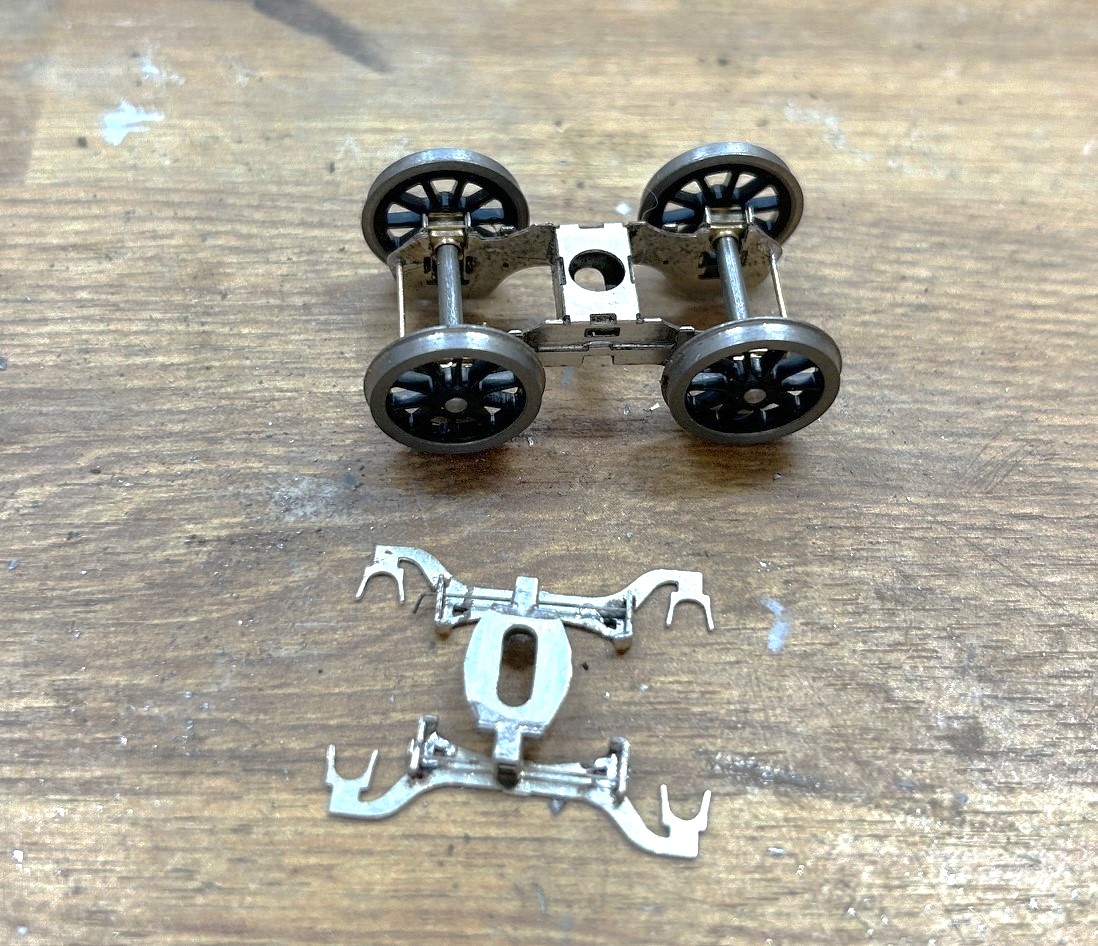
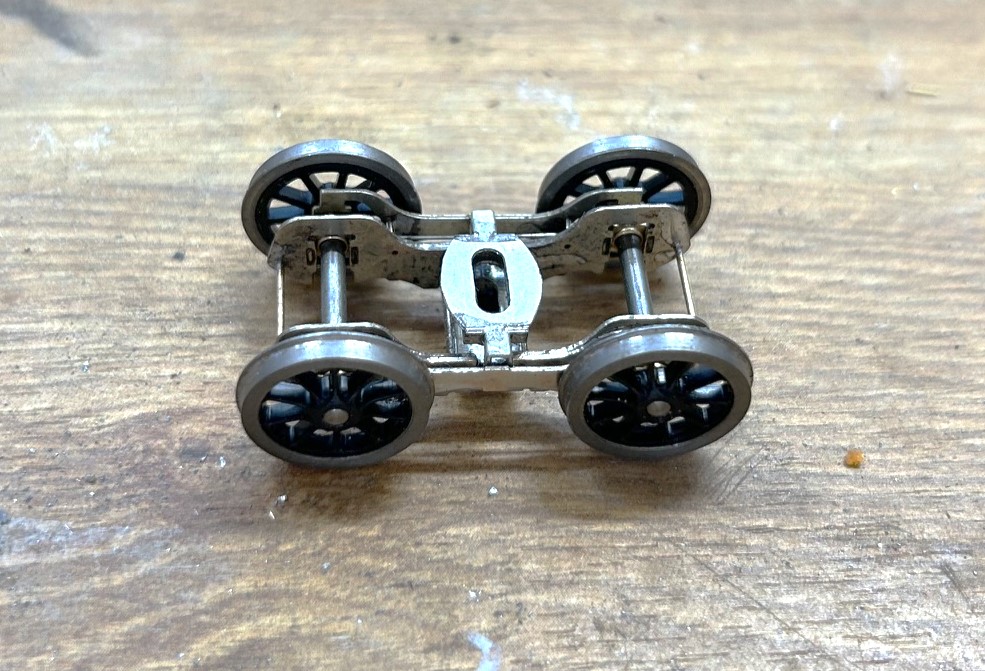
And now the completed bogie.
And once it is mounted to the chassis and this is fitted to the body, we have a 2P looking loco.
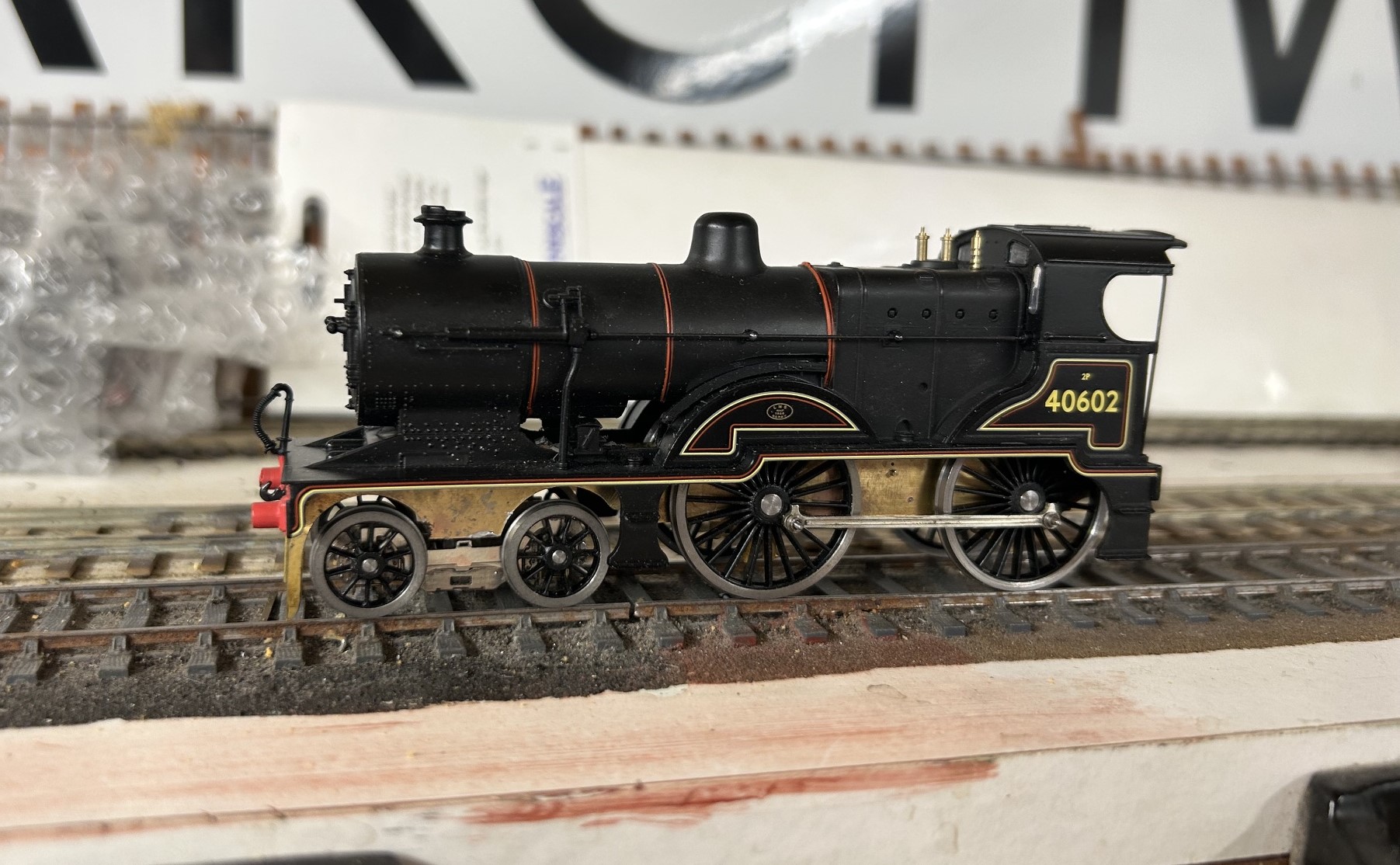
Having got this far, I turned my attention to the tender. It didn’t take long to decide that the Hornby offering was not worth bothering with; the origins of the Hornby 2P are in the dim distant past and it really shows in the tender. So that went in the bin and I made up a Comet tender. I will show the building of one of these on another project, so as if by magic here it is.
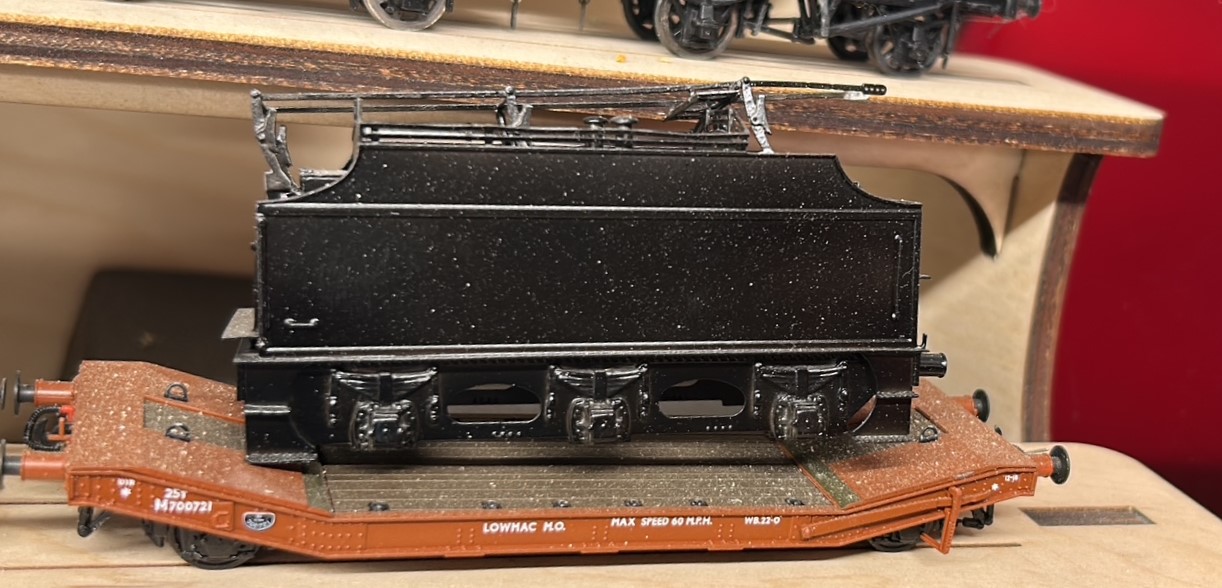
And so it really starts to look like a 2P.
But it was at this stage I decided that the body was a bit compromised too…………….!
To be continued as they say!

1955, somewhere in North London
In my travels, I have managed to blag an invite to see Bob How’s developing model of King’s Cross and portions of the Great Northern’s main line in north London. This is depicted in the mid 1950’s when the pacifics still reigned supreme and there was a full mix of locals, semi-fast and express passengers, along with a modicum of freight on the metropolitan widened lines.
It is hardly surprising, given the magnitude of the layout, that this is still a work in progress but what has been built is largely operational and therefore playing of trains is a regular feature in the How household. Given the location of the prototype, this means even the relatively short trains were 6 coaches in length and the full expresses upto 10. All this is in P4 and includes various gradients/curves to allow the lines to cross each other, so it tests the haulage power of loco’s upto prototype levels!
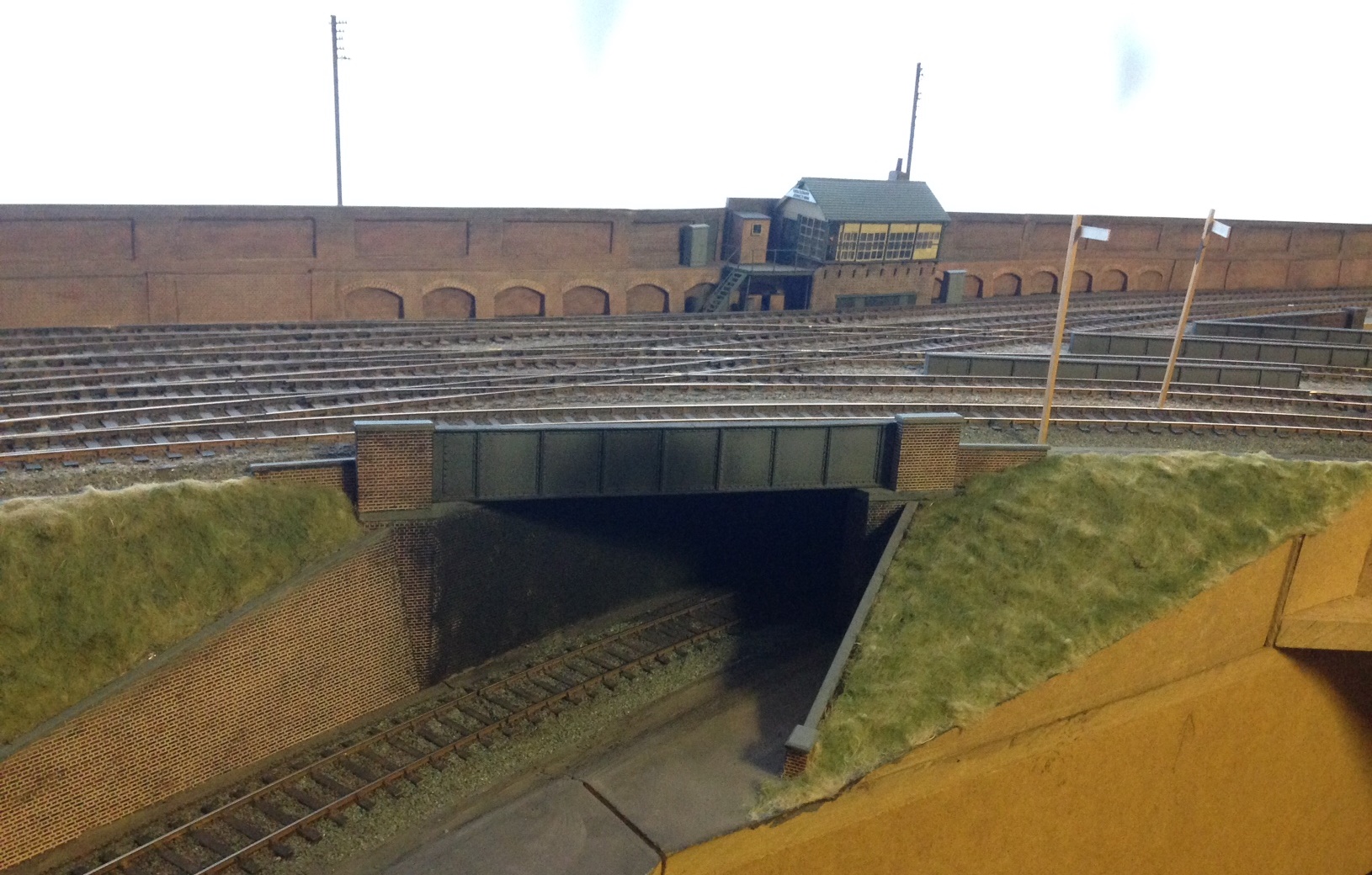
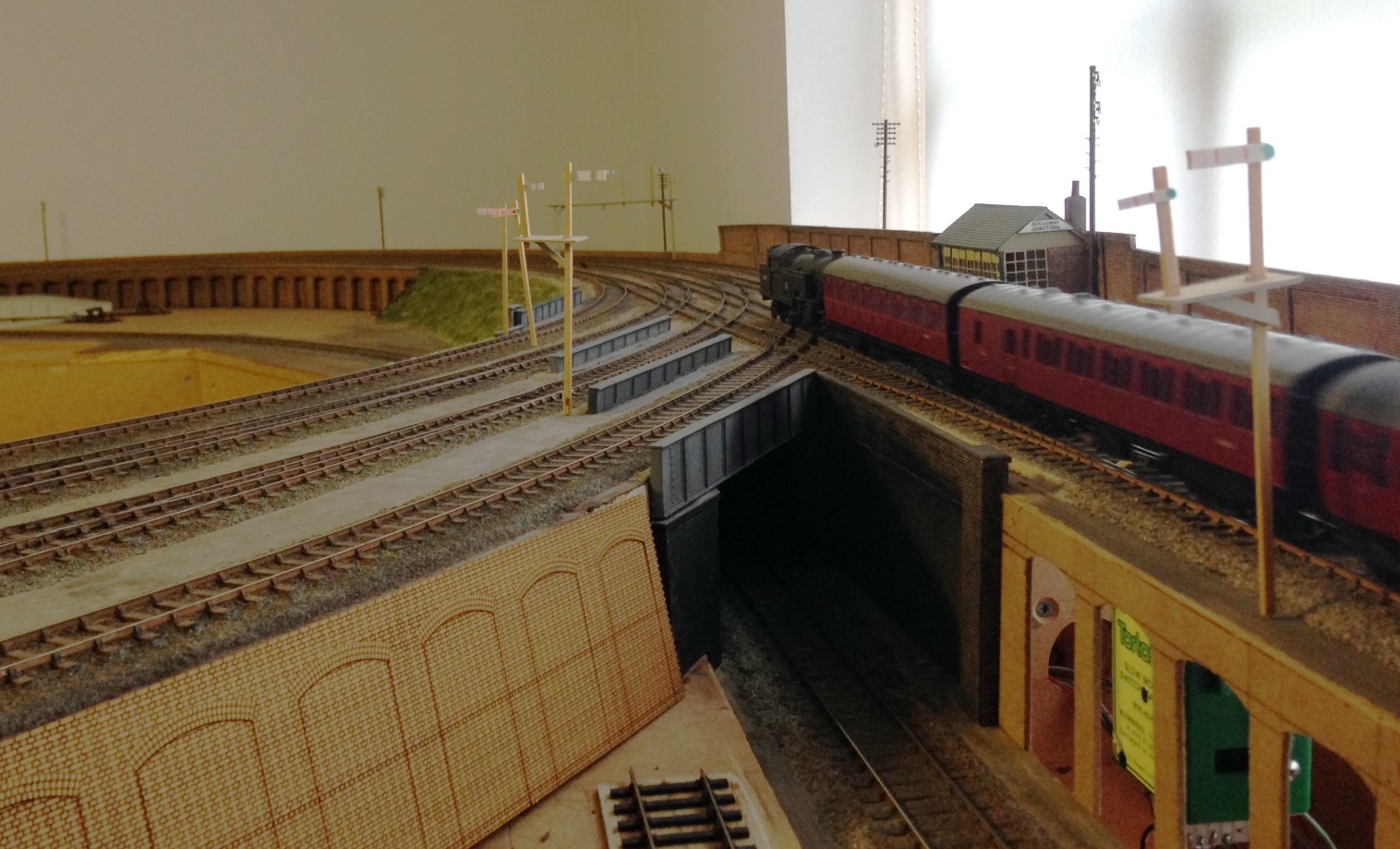
The more scenically finished portions of the layout are on the continuous run outer loop which comprises twin tracks to one side and four tracks to the other. This culminates in a very impressive junction where the main line to Kings Cross joins and a dive under to give access to the fiddle yard passes below.
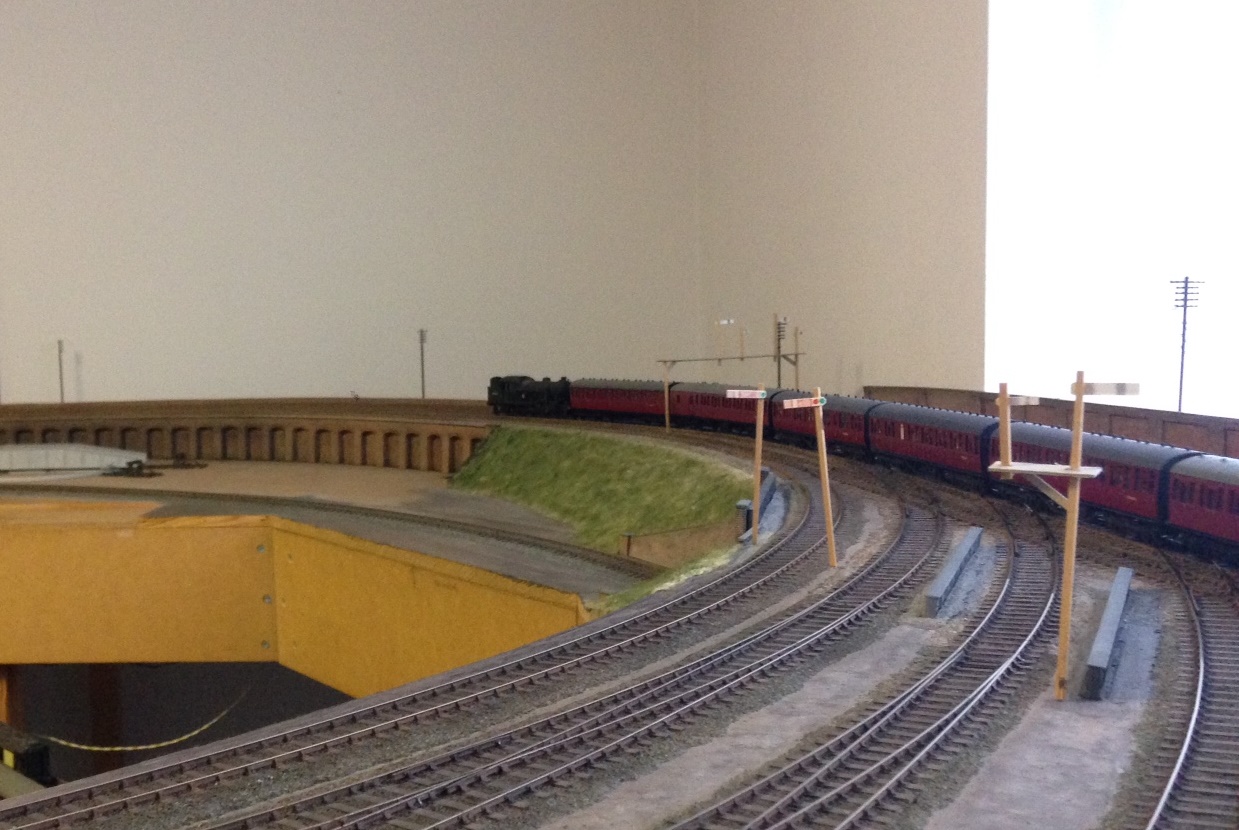
As can be seen, there is still lots of work to do to these areas, including the provision of signals but the impressive nature of the layout is immediately apparent. But the real magnitude of the endeavour becomes apparent once a look at the terminus is made.
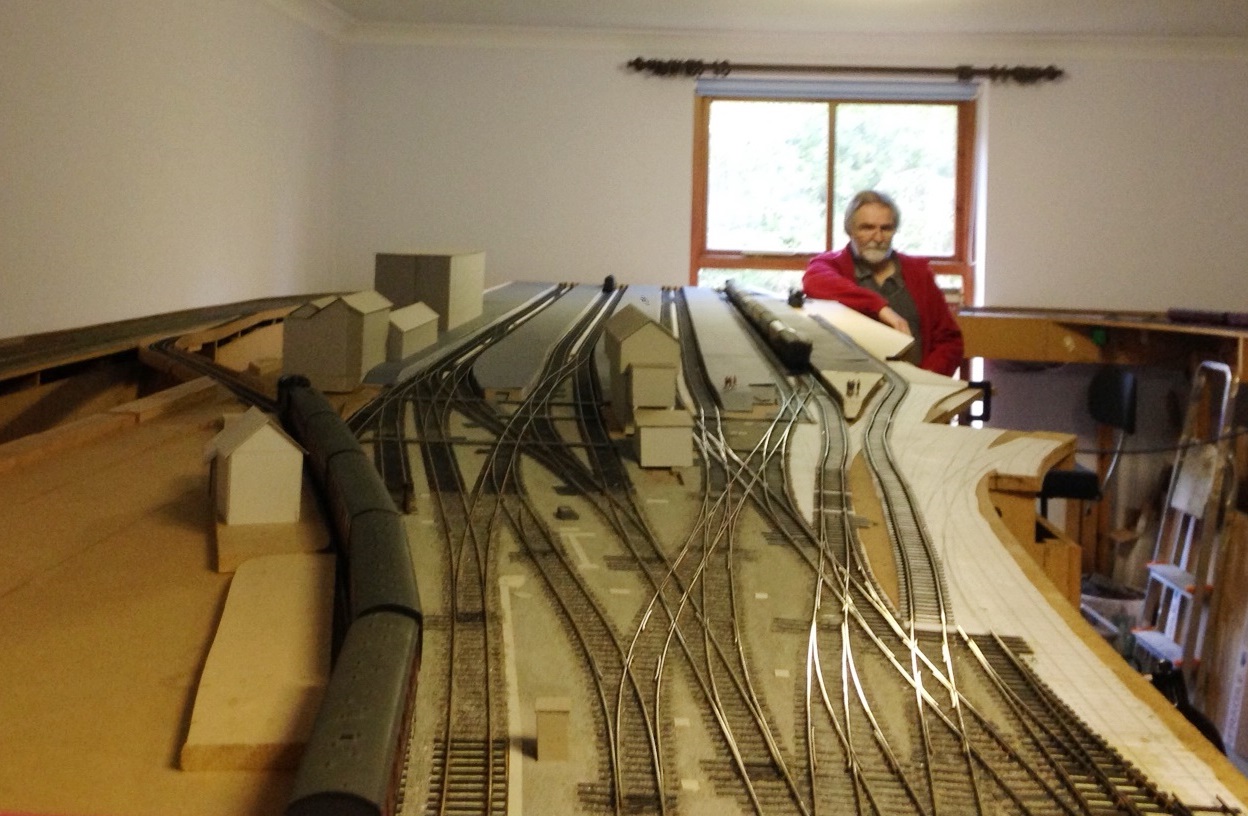
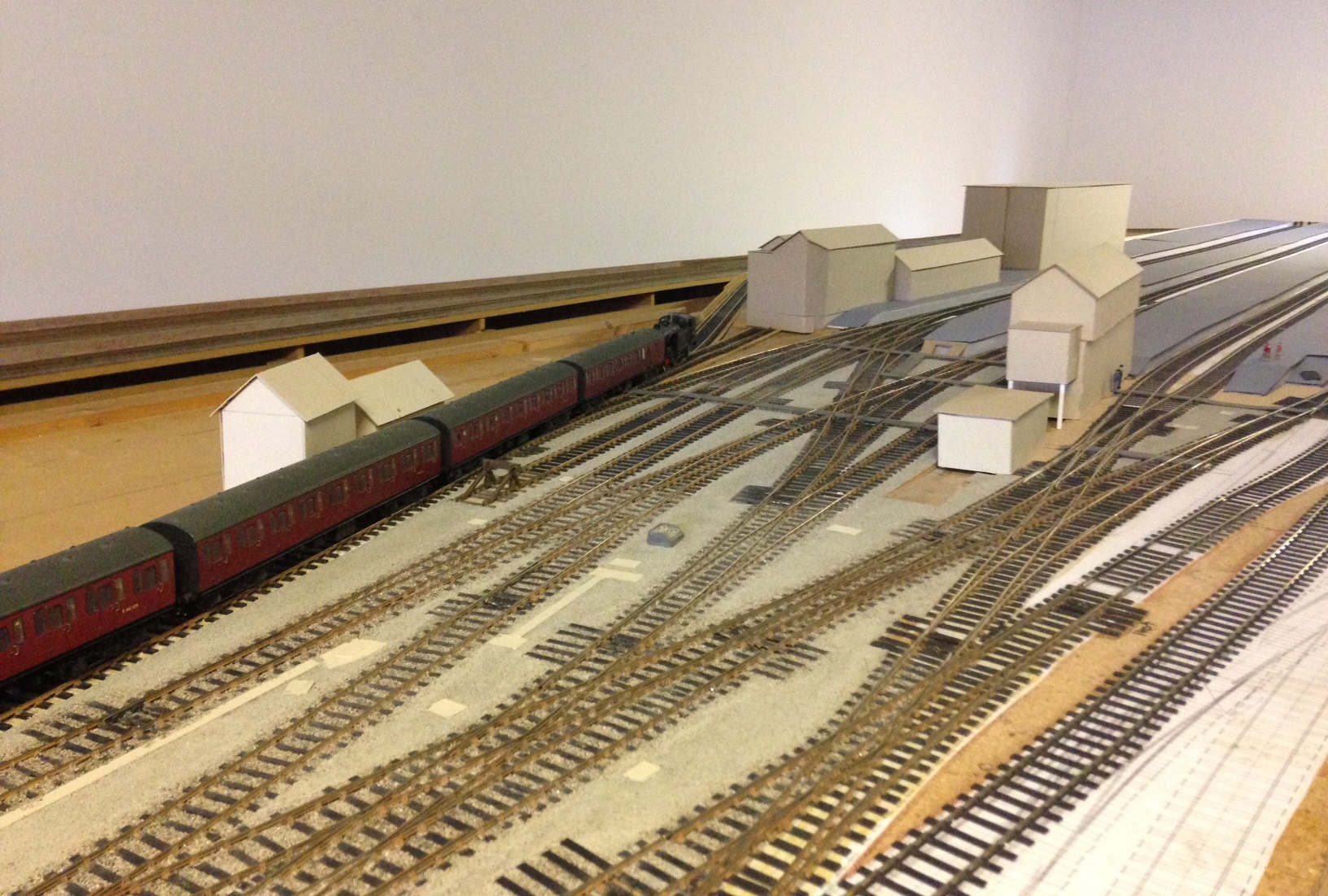
Even without any meaningfully completed elements of scenery, this is unmistakably Kings Cross that no doubt all of us are familiar with either from personal experience or photographs. Just imagine what it will be like with the full trainshed and a batch of northbound trains waiting their due departure time?
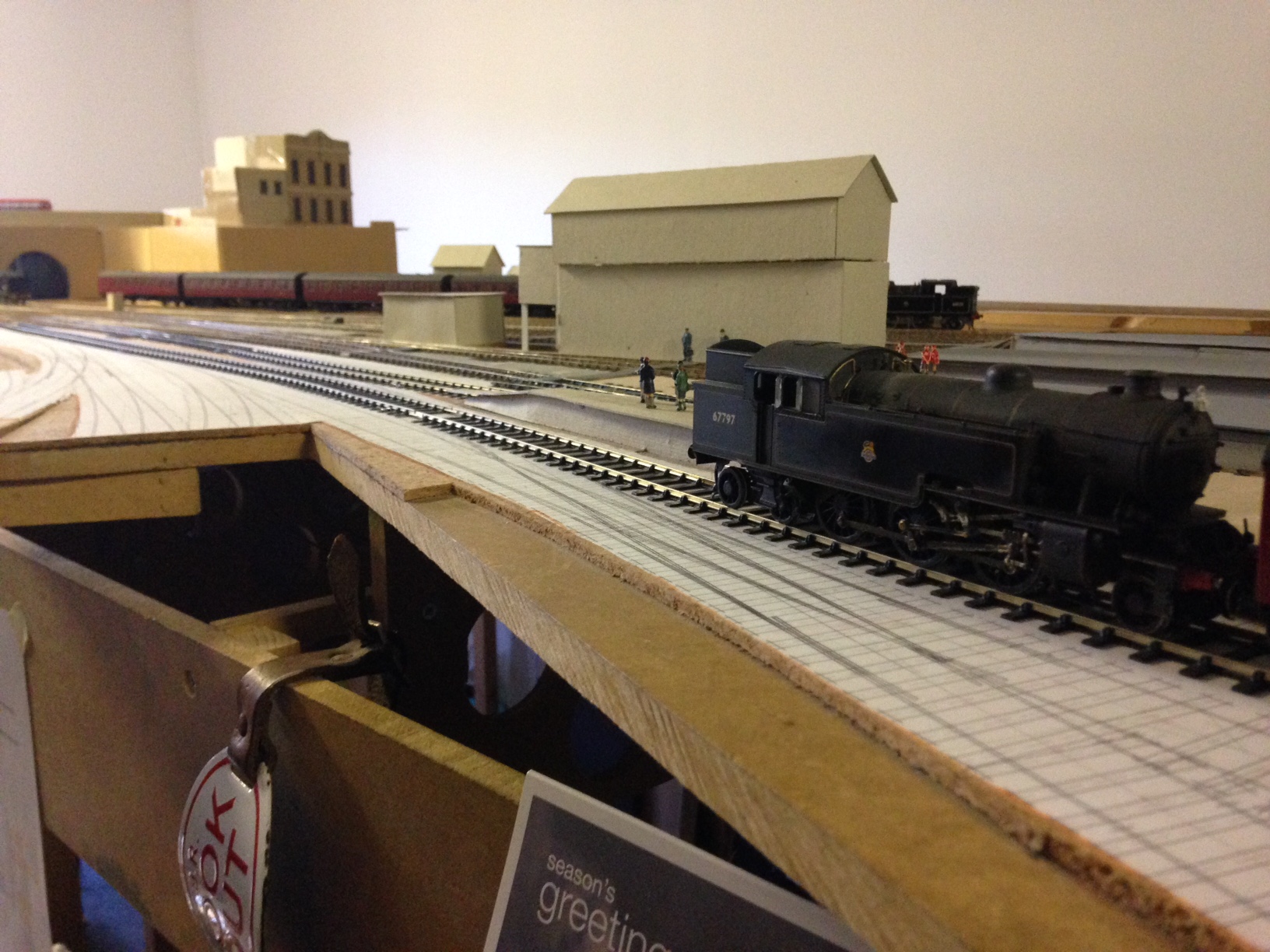
Bob’s intentions are to model the full station, including the MPD, the suburban station and milk depot; although at present these last areas are sill to be started. It will be a monster when it is finished! As you can see, even the fiddle yard is somewhat of a giant, although Bob was close to admitting that it is rather too small for the layout!
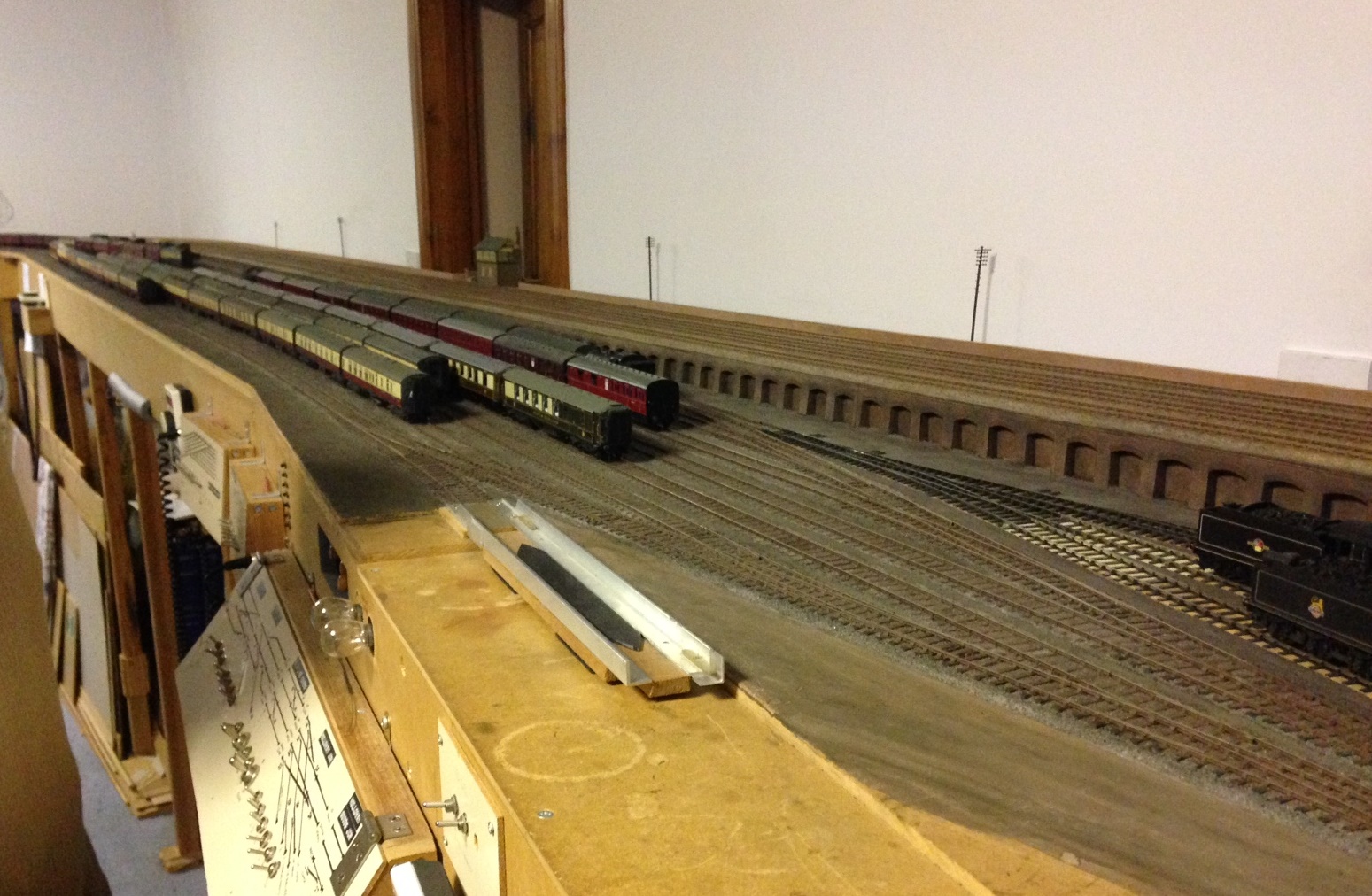
Apologies for the grainy photos, the layout lighting is a task still to be confronted and photography was pushing the camera to its limit!
You have some catching up to do Mr Hanson………….

